
Course 1
Production Processes
Module 2 Course 2
Production Processes

Preliminary Processes
Cheese is one of the oldest cultural heritages of humanity, can be produced in almost every geography and is one of the first foods that come to mind when traditional products are mentioned.
No matter which part of the world you go to, you will definitely come across cheese in different shapes, colors, flavors and textures and see it consumed by people.
According to scientific sources, there are approximately 4000 types of cheese known in the world today.
So many varieties of a food whose main ingredient is milk is due to the type of milk that makes up the cheese, its fat and content properties, processing methods, ripening, storage times and conditions, curd formation, yeast and differences in cheese production.
In this case, the sensory and chemical properties of the cheese, such as composition, color, structure (hard-soft), flavor and taste, create differences.
We can examine the preliminary processes under three headings.
- Cheese Milk Hygiene Process
- Raw Milk Quality Determination Process in Traditional Cheese Production
- Process of Cleaning Raw Milk in the Farm's Milking Unit or Collection Center


Cheese Milk Hygiene Process
The European Union Legislation (EC-178/2002, 93/43/EEC) has determined the general hygiene rules of food and procedures for the verification of conformity. For this purpose, raw milk, which is the primary raw material in traditional cheese production, must be milked from healthy animals and under minimum technical and hygienic conditions and cooled rapidly.
In order to make quality traditional cheese varieties, it is necessary to use quality raw milk. If the raw milk is defective, it cannot be improved by any application during processing and the defects usually become more apparent. For this reason, it is important that raw milk is produced and processed in a way that is suitable from farm to table under conditions that will not reduce its quality or therefore the quality of the product. Therefore, in order to gain a healthy perspective on milk, the process from production to consumption must be considered holistically.
In this context, the quality of raw milk to be used in traditional cheese production must meet criteria in accordance with legal regulations and must be of high quality.
Quality raw milk is milk obtained by hand or automated milking of healthy animals under hygienic conditions, rapidly cooled to +4-8 C, with its own unique color, taste, structure and composition, without any external substance (water, soda) added, and without any substance (milk fat) removed from its composition.
Raw milk can cause various health problems due to contamination from human, animal and environmental zoonotic and non-zoonotic pathogens to which it is exposed as a result of possible hygiene deficiency at every stage of the process from production on the farm/barn to consumption.
Benefits of Hygiene in Food Businesses:
- Consumer protection and public health
- Improving food quality
- Extending the shelf life of foods
- Protecting employees from risks such as accidents and illnesses at work
- Increasing the trust and reputation of the workplace
- Preventing direct/cross contamination of food from personnel
Main Factors Causing Raw Milk Contamination


This issue, which is extremely important in terms of milk quality, is divided into two basic parts: animal hygiene and milking hygiene. It is known that there is a high relationship between the cleanliness of the cow, which is the first part, and milk quality.
In this context, especially the cleanliness of the udder part and the hind leg and the cleanliness of the surface where the udder comes into contact greatly affects the quality of raw milk.
Therefore, general cleaning of animals should be done before milking, and animals with dirty udders, feet and bodies should not be taken to the milking area. For this purpose, if necessary, the external cleaning of animals should be done with a brush and clean water in the waiting stalls before milking, and even excess hair in the udder area should be removed from the udder.
"Reliable milk and clean milk are obtained from healthy and clean udders."
At this stage, a separate place should be given to mastitis, which is a breast disease. The general name for diseases that occur as a result of damage to the physiological structure of the breast tissue due to various reasons (bacteria, trauma, nutrition, milk remaining in the breast, etc.) is called mastitis.
Mastitis enters abnormal milks and these milks cannot be used for drinking milk or technological purposes. Since these udder diseases can be contagious, they should not be milked in the normal milking area or on time and udder health should be protected by taking protective measures against this disease so that milking and milk hygiene are not compromised. Milking hygiene and correct use of milking equipment are also important in preventing udder infections.
In the second part, milking hygiene, the milking area, equipment, milkers and milking practices should be considered as a whole and should be followed with a complete control and procedure. In this process, there are practices that should be done before, during and after milking.
- For safe and contamination-free milk, the milking area should first be cleaned and disinfected.
- Then, milkers should wash their hands thoroughly and dry them with a clean paper towel.
- If milking is to be done with an automatic machine, the machine should be cleaned and checked beforehand. All surfaces of the animals that will be in contact with the machine and hands should be washed and dried. The udder should be dry before milking. Otherwise, the milking tools may not fit properly or may slip.
- Afterwards, the teats should be immersed in and removed from the dipping solution to disinfect the teats and the milk should be checked by pre-milking.
- During the milking process, the teat should be washed and cleaned for at least 1-2 minutes. This creates the time required for disinfection, while on the other hand, it ensures that the milk reaches the udder.
- Milking time should be done at the same time every day and should be done at least twice a day, in the morning and evening.
- If milking time is missed, milk starts to flow from the udder, this situation primarily causes microorganisms to enter the udder when the animals lie down because the teats are open, and the flowing milk can also cause environmental contamination.
- In addition, it should be calm and quiet during milking, animals should be kept away from all stress factors and milking should be done completely, no milk should be left in the udder and milking time should not exceed 10 minutes for each animal.
- When milking is passed to the next animal, all hygiene practices should be continued for the other animal.
- Sick and treated animals should be milked last and this milk should not be mixed with other clean milk.
- After milking, the teat sphincter and ductus papillaris remain largely open for 2 hours (especially the first 30 minutes) and even the ductus papillaris may prolapse for a while. Therefore, after milking, each udder should be disinfected again with a udder dip solution. This process prevents microorganisms from entering the udder by covering the udder with a thin film of udder tissue and reduces the risk of infection by reducing their number.
- Since the udder hole will remain open for 30 minutes, the cow should be prevented from lying down and if necessary, feed should be given.
Another important point in milking hygiene is the cleanliness of tools and equipment. The sources of biological, chemical and physical contamination of raw milk are tools and equipment. Therefore, all milking machines, buckets, filters, pipes and systems must be clean and disinfected.
After disinfection, it should be thoroughly rinsed with clean water and no residue or contaminants should be left. Milking tools and equipment should be made of stainless steel or rubber material. As a result, the hygiene and sanitation application procedure must be followed meticulously for raw milk quality.
Barns are shelters for dairy animals. One of the basic conditions for obtaining healthy animals and herds is that the animal shelters and their surroundings (farm/pasture) must be clean and free from disease agents.
All applications aimed at preventing disease agents from entering and spreading into animal living spaces are called biosecurity applications. Barn hygiene is also included in the scope of biosecurity measures and should include all stages from sheltering area location selection, plan, structural features and applications to waste and environmental control and should cover all cleaning measures to be taken to protect health. The design, planning and conditions of the places where animals are sheltered should not adversely affect the health of the animals. It should be in accordance with the “Regulation on Establishment, Operation and Inspection Procedures and Principles of Livestock Enterprises (RG: 9.8.2006/26254). General barn hygiene should be provided before milking hygiene. Barns should have the following features for healthy animals and reliable raw milk production.
- The barn structure must be suitable for the health and well-being of the animals.
- The barn must be adequately ventilated or fresh air must be continuously provided.
- The floor should be constructed in a way that prevents animals from slipping, falling and getting injured.
- Animal stalls must allow animals to have access to sufficient feed and water.
- Stalls should be designed in a way that does not harm the breast tissue of the animals.
- Daily cleaning of the stables should be carried out in the morning and disinfected with an approved disinfectant in a planned manner. A disinfectant pool should be placed at the entrances and exits of the stables.
- The barn and its surroundings should be regularly sprayed against pests and rodents and precautions should be taken. When it is necessary to resort to chemical pest control measures, care should be taken to ensure that these products are permitted and approved for use in food businesses.
- Waste and manure should be transported in a controlled manner to safe places away from the barn, milking areas and pastures and should not cause diseases.
- Stable water must be clean and of drinking quality.
- Feeders must be clean and in sufficient numbers, and animal feed must be purchased from factories approved by the relevant ministry.
- Feed storage areas should be clean, stored according to the first-in, first-out plan, and biosecurity practices should also apply here.
- Entry of other types of animals (especially sheep, goats, poultry) into the shelters should be prevented.
- Barn lighting must be provided at an adequate level.
Under normal conditions, milk from the udder tissue of a healthy dairy animal does not carry microorganisms that may pose a risk to human health. However, if the dairy animal whose milk is used is not healthy, the milk secreted from the udder may pose a risk. The fact that animals and humans have common living spaces and that animal products (milk and dairy products) constitute the main source of human nutrition also brings with it some risks.
Because, in general terms, zoonotic diseases that can be transmitted from animals to humans and from humans to animals are important in such cases. Many of these diseases can endanger public health by being transmitted to humans through direct contact with animals and/or contaminated animal products (milk, meat, leather, etc.) or from environmental sources (barns, personnel, tools and equipment).
Among these disease agents, we can count bacteria, fungi, viruses, parasites and prions.
Milk and its products may be infected with disease agents such as tuberculosis, brucellosis, rabies, salmonellosis, listeriosis, Q-fever, Tickborne encephalitis (TBE) virus, toxoplasmosis, anthrax, hepatitis, norovirus infections, leptospirosis, pasteurellosis, etc. Animals raised for milk production and other farm animals must be farms and animals that are officially approved by the authorities to be free from brucellosis and tuberculosis.
In this context, health checks of dairy animals should be carried out regularly by veterinarians, records should be kept, and animals should be vaccinated by making a vaccination plan as a precaution against diseases.
In addition, careful attention should be paid to the udder health of animals. Animal and herd health is important for ensuring and sustaining quality in raw milk production, and the health status of all animals on the farm should be checked regularly, and those who are sick or need special care and treatment should be separated when necessary and their records should be kept regularly.
Milking personnel is an extremely important factor in raw milk cleanliness. First of all, milking personnel should not be sick, those with chronic skin diseases or acute diarrhea, fever, etc. should not be involved in milking.
Milking personnel play an important role in spreading microorganisms from the environment to the cow and between teats, especially through cross-contamination.
- Therefore, milking personnel should be cleanly dressed, have clean hands and nails, clean clothes and, if possible, use a clean apron during milking.
- Milking personnel should wash their hands before and after a milking-related activity, then dry them with a paper towel.
- A milking practice guideline that milking personnel can easily understand should be prepared on the farm and milking personnel should be trained according to this protocol.
At the end of milking, milk that is milked into the jugs should be taken out immediately to prevent the smell of the barn from permeating the milk and should be filtered through a clean cloth or strainer and transferred to clean transfer jugs. Normally, the temperature of milked milk is close to the animal's body temperature of 37°C. At this temperature, microorganisms in milk reproduce rapidly, causing the milk to spoil, shorten its shelf life or adversely affect its technological processing. Therefore, raw milk should be cooled rapidly to below 10°C within 2 hours.
If the milk is not collected within 2 hours after milking, it should be cooled to 8°C, if it is collected daily, it should be cooled below 8°C, and if it is not collected daily, it should be cooled below 6°C. The lacto peroxidase system in raw milk can only protect milk against the growth of microorganisms in the first hours after milking. Storage on the farm should not exceed 24 hours. Although the optimum growth temperature of psychrophilic and psychotrophic bacteria is 15-20°C, they can grow down to -10°C below freezing point, so keeping raw milk cooled to 4-8°C for more than 24 hours can lead to the growth of such bacteria.
As a result of the metabolic activities of aerobic psychotrophic bacteria such as Pseudomonas, Alcaligenes, Acinetobacter and similar gram positive Micrococcus, Microbacterium and some Bacillus, lactose, protein and fat in milk are degradable and heat resistant proteolytic and lipolytic enzymes are formed, and the quality of raw milk is significantly negatively affected.
If the milk is not collected within 2 hours after milking, it should be cooled to 8°C, if it is collected daily, it should be cooled below 8°C, if it is not collected daily, it should be cooled below 6°C. The lacto peroxidase system in raw milk can only protect the milk against the growth of microorganisms in the first hours after milking. Storage on the farm should not exceed 24 hours. The optimum growth temperature of psychrophilic and psychotrophic bacteria is 15-20°C, they can grow down to -10°C below freezing point, so keeping raw milk cooled to 4-8°C for more than 24 hours can lead to the growth of these types of bacteria.
As a result of the metabolite activities of Pseudomonas, Alcaligenes, Acinetobacter and similar aerobic psychotrophic bacteria and gram positive Micrococcus, Microbacterium and some Bacillus, proteolytic and lipolytic enzymes that can break down lactose, protein and fat in milk and are resistant to heat are formed, and the quality of raw milk is significantly negatively affected.
For this reason, milk kept in collection centers before going to factories or dairies must be cooled. The jugs and equipment of the milk delivered to the receiving authorities must be cleaned and disinfected in accordance with hygiene and sanitation rules for the next use.
Meanwhile, all equipment that comes into contact with milk, such as jugs, tanks and tankers used for collection and transportation purposes, must be designed to be easy to clean, suitable for disinfection, resistant to corrosion, not dangerous to human health and not adversely affect the properties of the milk.
In addition, the milk collector/carrier must have received adequate training in raw milk hygiene and must be cleanly dressed. The milk collector/carrier must not enter areas where animals and their manure are located. In conclusion, the processes carried out up to this stage are very important in determining the quality of raw milk and are among the prerequisites included in standard procedures and indispensable for the production of quality raw milk and dairy products.
These practices should include the necessary good practice procedures for Good Production Practices, Good Veterinary Services, Good Care and Feeding Practices, Good Milking Hygiene and Udder Hygiene procedures and Good Farm and Barn Management practices. Here, for higher quality and reliable production of traditional products, these procedures should be followed and if there are deficiencies in the practices, they should be eliminated and regular records should be kept to identify and prevent any incorrect practices and defects in case of any return.
For this purpose, measurement values should be taken where and under the necessary conditions. For example, the cooling times of morning and evening milk and temperature controls of tanks until delivery should be carried out and records should be kept, and at the same time, organoleptic or physico-chemical preliminary tests (veterinary drug residue, inhibitory substance, pH and acidity, etc.) should be carried out on raw milk to determine its quality before it reaches the enterprises where it is not suitable for human consumption.
Raw Milk Quality Determination Process in Traditional Cheese Production
Healthy and reliable raw milk starts with ensuring and maintaining hygienic quality. In order to ensure that raw milk is used in reliable traditional cheese products, it is necessary to prevent any contamination at every stage of production. Therefore, many factors can affect the quality of raw milk. To summarize these briefly;
- Nutrients and preservatives found in milk
- Chemical and physical properties of milk
- Total number of microorganisms
- The presence of foreign substances such as antibiotics, detergents and disinfectants, the cleanliness of the milk, and the taste and smell of the milk must be taken into consideration.
Raw milk is a white liquid secreted from the mammary tissue of healthy, unworked animals to feed their young. Milk to be used for industrial purposes is raw milk that is milked from animals at regular intervals and then cooled, without any components removed or any other substances added, without any prior processing (such as heating) and sent to the factory for processing.
Milk and its products are valuable foodstuffs in terms of human nutrition because they contain essential amino acids and a significant portion of the daily nutritional needs of people of all age groups and strengthen the immune system. Milk and its products are rich in many potentially active components such as calcium, vitamin D, conjugated linoleic acid and sphingolipids.
It contains many different minerals (calcium, phosphorus, zinc, etc.), vitamins (A, D, E, K and B group) and fatty acids (short and long chain and essential ones). At the same time, being a good source of fat, protein and carbohydrates, and having a product variety that no other product has other than milk in its natural state, carries it to a separate place among other foods.
The quality of raw milk to be used in traditional cheese production indicates the hygienic quality of the milk. According to European Union standards, the number of mesophilic bacteria in raw milk should be less than 30,000 cfu/ml and the number of psychrotrophic bacteria should be less than 5,000 cfu/ml.
In Turkey (Communiqué No: 2017/20), the total bacterial count of raw milk in livestock and food enterprises producing milk at 30°C must be <100,000 cfu/ml, for other animal species it must be <1,500,000 cfu/ml and the somatic cell count must be <400,000 ml.
The flora of this milk consists of Gram positive and Gram negative bacteria such as Streptecoccus, Lactococcus and Corynebacterium. The number of Total Aerobic Bacteria (TAB) in raw milk approximately determines the number of psychrotrophic microorganisms in raw milk, and this rate is generally accepted to be less than 10% of the TAB number.
If maximum attention is paid to milking hygiene and conditions, the number of psychrotrophic bacteria in raw milk can be in the range of 5,000-20,000 cfu/mL. Among the psychrotrophic bacteria associated with milk and dairy products, the most common spoilage microorganism groups are Pseudomonas spp. and Bacillus spp., which are predominant.
This situation may change in the direction of an increase in the number of psychrotrophic microorganisms if the raw milk is cooled immediately after milking before reaching the farms and if the collected milk is stored at 4°C for a long time without being processed. Under these conditions, a reversal between predominant Gram-positive and negative bacteria and psychrotrophic bacteria may occur.
In other words, under these conditions, the number of saprophytic microorganisms may decrease, while the number of psychrotrophic microorganisms may increase. This situation may have significant negative effects on the quality of milk and its products during milk processing.
Nowadays, the number of somatic cells in milk is used as the most important indicator of milk quality all over the world. They reported that the number of somatic cells is an indicator of the quality and hygienic properties of milk and can shed light on the mastitis status of the herd.
The majority of somatic cells are made up of leukocytes, also known as white blood cells. The cow's immune system increases the number of somatic cells as a response to mastitis or mastitis pathogens. A small number of somatic cells are made up of epithelial cells of the udder in association with any infection. The somatic cells of milk consist of epithelial cells, large squamous cells, epithelial cell debris and anucleated cells, red blood cells (erythrocytes), plasma cells, colostrum corpuscles and leukocytes.
The most important reasons for the increase in the number of somatic cells are the age of the animal, the lactation stage, stress, season and nutrition. In addition to these, the most important reason for the increase in the number of somatic cells is mastitis, which is the most important breast disease, or inflammation of the breast tissue.
Milk obtained from animals treated with veterinary drugs that can pass into milk must be discarded for a period specifically determined for each veterinary drug (exclusion period) and must not be sent to milk processing facilities. Antibiotics can be administered to animals for treatment purposes by intramuscular, intravenous, intramammary or intrauterine injection, or orally with solutions and feed, or they can be applied in combination.
The United States Food and Drug Administration (FDA) has stated that the most important cause of antibiotic residue problems in raw milk is improper intramammary infusions.
To combat the risk of antimicrobial residues in milk and milk products, a number of international organisations, such as the Codex Alimenterius Commission (CAC), the European Economic Community (EEC), the World Health Organisation (WHO) and the Food and Agriculture Organisation (FAO), are involved in regulating the use of medicines in animal production activities.
Raw Milk Cleaning Process in the Farm's Milking Unit or Collection Center
Milking units is filtered through cloth filters (like cheesecloth) or wire strainers placed on the scale while being discharged to the milk receiving scale. Another application is to place metal strainers in the storage tank and to mount metal line filters on the plate cooler inlets and disinfected frequently.
In the meantime, the stored milk must be kept in cooling tanks until transferred. At this stage, the milk is continuously mixed in the tanks at low speed. The milk is stirred frequently during storage. Otherwise, the oil layer formed on the surface prevents gas from leaving the milk, which facilitates the increase in acidity and the formation of bad taste and odor.
Stirring should not be fast. If the speed increases, an undesirable odor occurs in the milk due to rancidity (changes in the color, taste and smell of oils, rancidity as a result of the double bonds in unsaturated fatty acids being oxidized and turning into substances such as peroxides and aldehydes).
In milk production, the processes up to this stage are very important in determining the quality of raw milk. After this stage, the raw milk's journey to the farm or barn ends and the traditional cheese production journey begins.
Raw milk now heads to dairies to be converted into various dairy products. Raw milk will now be processed into foods suitable for human consumption such as drinking milk (plain or flavored, etc.), yogurt, butter, ayran and cheese.

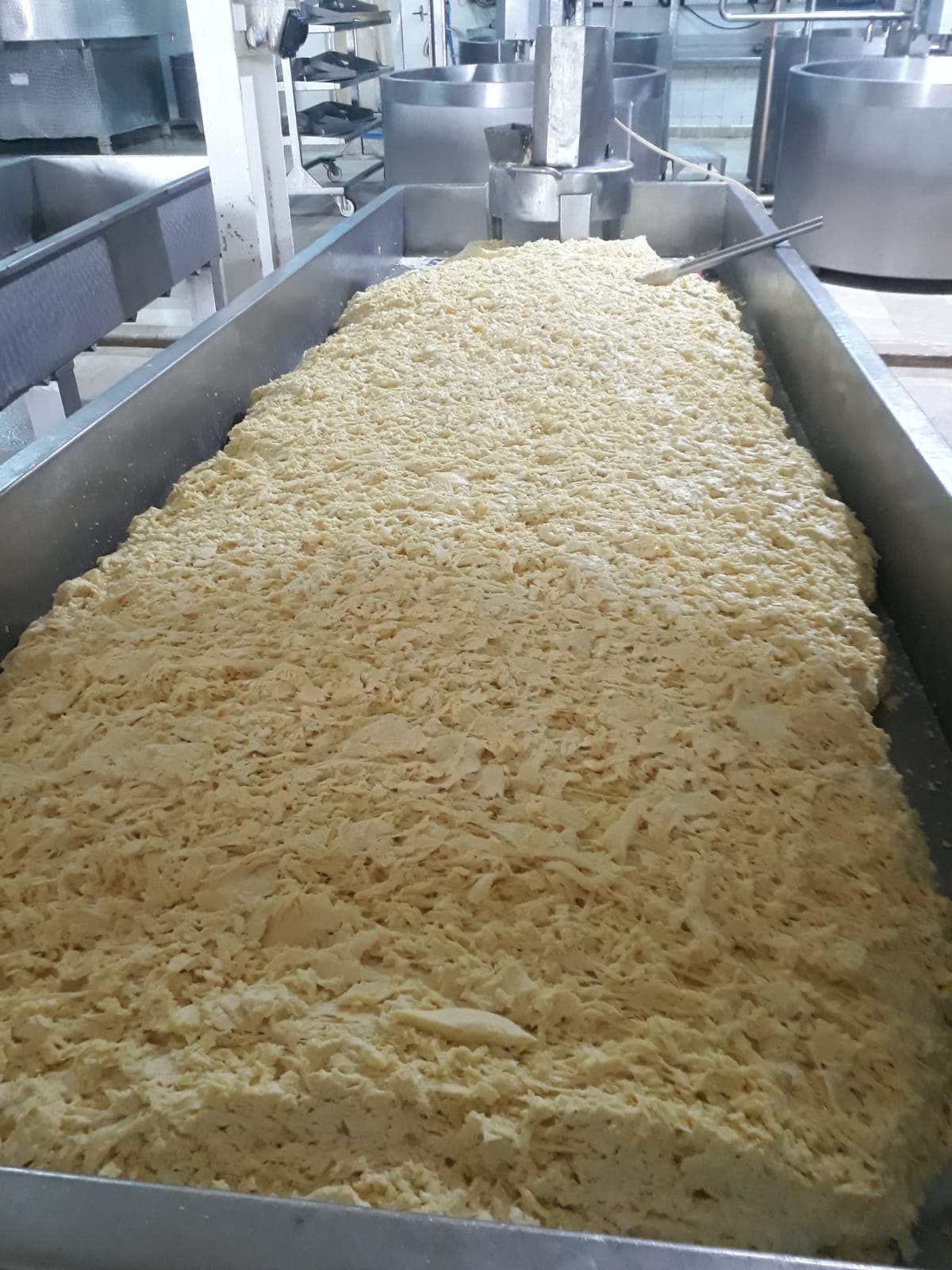


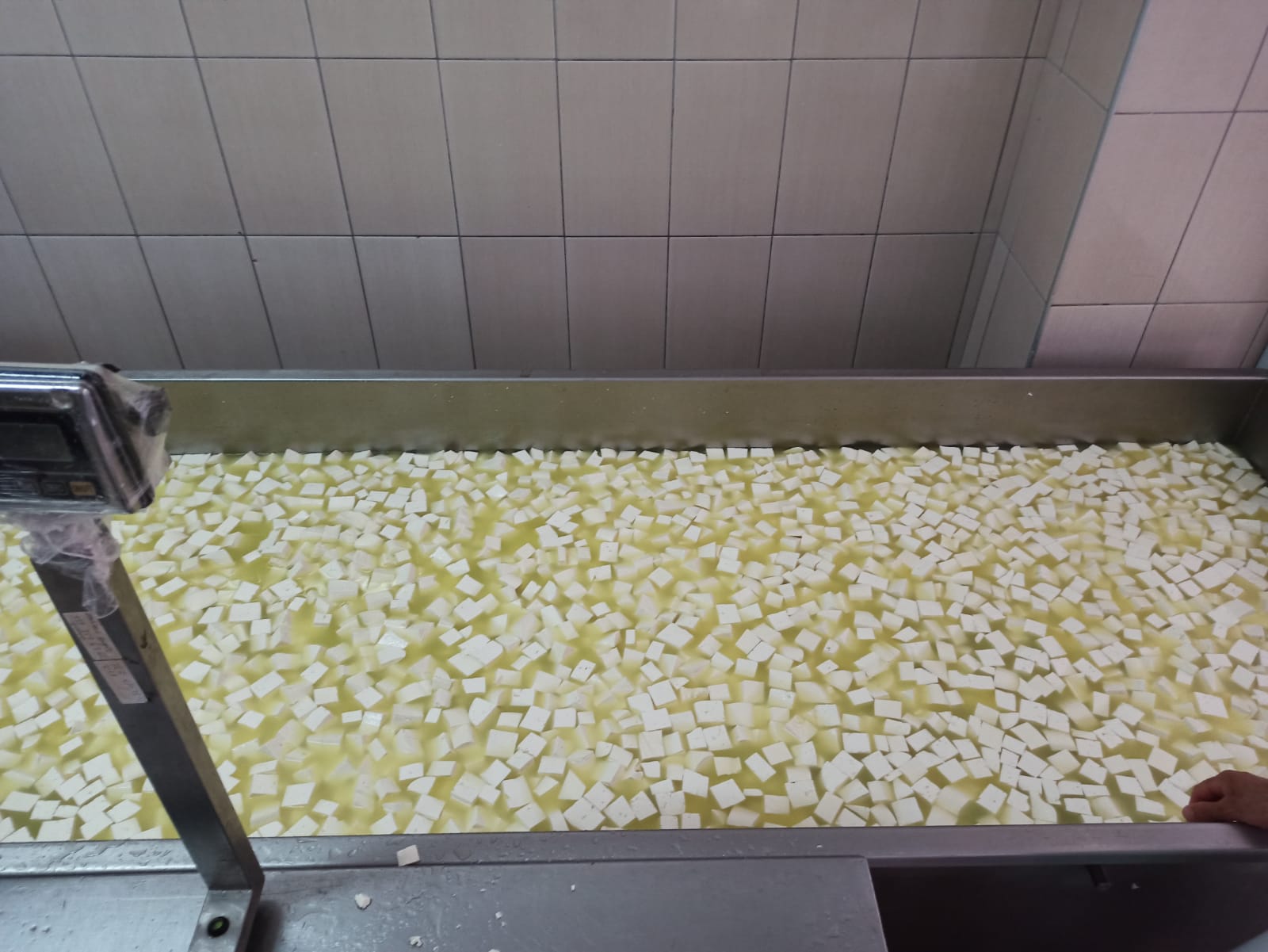

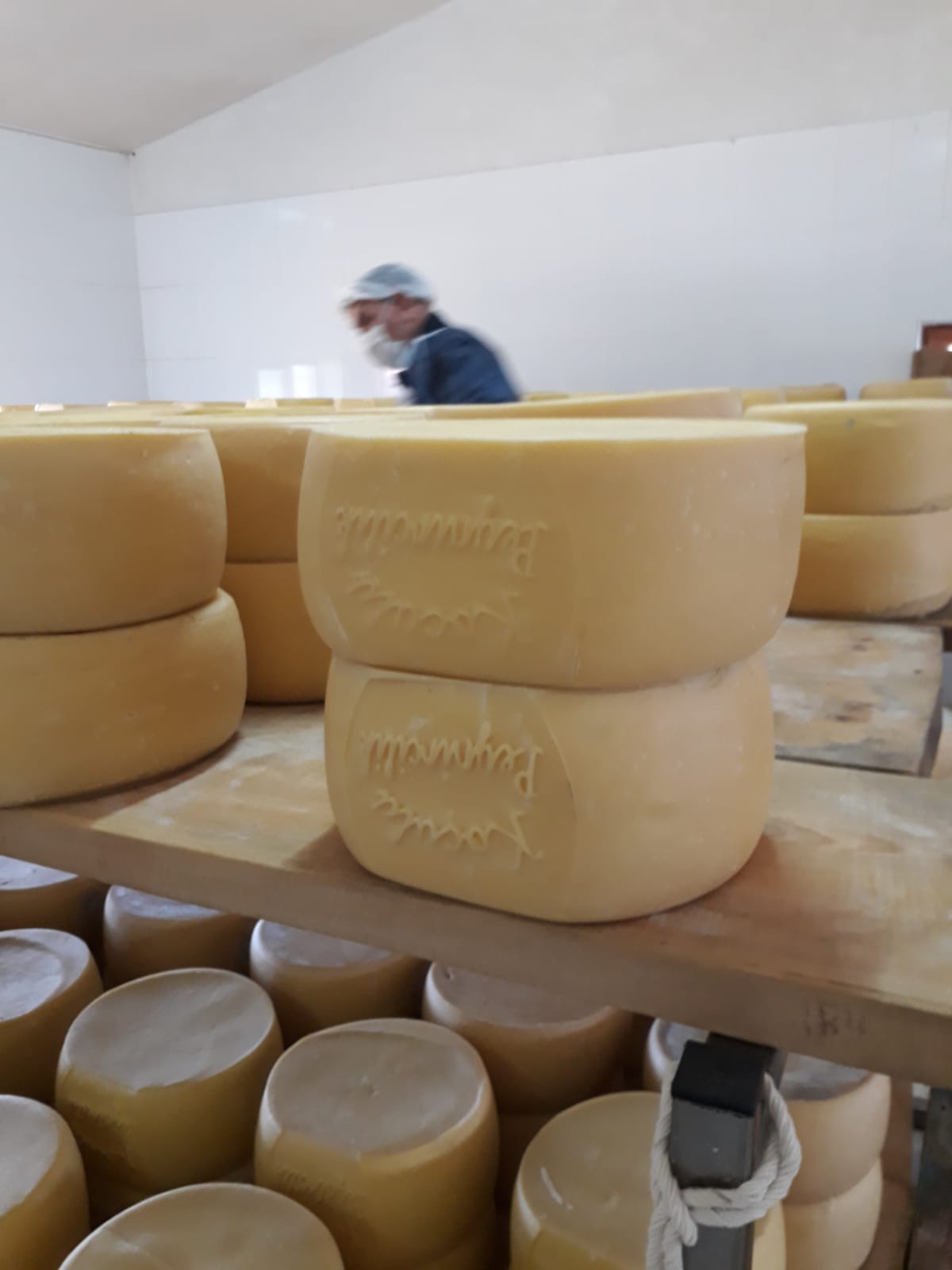
Processes In Production
Cheese is a dairy product made from different types of milk almost everywhere in the world. In general, it is obtained by coagulating the milk, separating the whey from the curd, and then processing the curd in various ways.
Although there are many definitions of cheese, the most general definition is that "cheese is a dairy product that is produced by coagulating milk and/or dairy product wastes of different animal species, fatty or lean, with rennet (75%) or organic acids (25%), depending on traditions, and is enriched with various flavors and aroma substances, processed and offered for consumption fresh or under different periods and conditions."
Cheese Making Processes:
Turning milk into cheese and storing it for long periods of time is a method that has been used for thousands of years. No matter how developed the cheese industry is today, cheese making has changed very little up until today. Roughly, it is the coagulation of milk, separation and processing of the curd. These stages are, in order:
- Receiving, examining and cleaning the milk
- Standardization
- Storage and pre-maturation of milk
- Homogenization
- Pasteurization
- Fermentation - Coagulation
- Clotting
- Clot breaking - Clot processing
- Infiltration
- Printing
- Salting
- Maturation
- Storage
Reception - Inspection and Cleaning of Milk: Even if the milk is cleaned with the facilities in the barn after milking, it must be cleaned again in the cheese factory. Rough cleaning is done with classic or pipe type filters. These filters consist of a boiler made of chrome nickel alloy, a tightly woven plastic strainer and milk inlet and outlet pipes.
Cleaning with a clarifier; The most effective cleaning is done with the help of centrifugal separators. Epithelial cells, blood clots, leukocytes, large bacteria, protein clumps enriched with bacteria in the milk that cannot be removed by rough cleaning are cleaned with a clarifier.
Standardization of Milk: For standard cheese production, a certain method and composition of fixed milk must always be used. Yield and quality can only be standardized in this way. For standard production, the fat ratio of milk should be adjusted. Knowing the content of milk before starting cheese production is very important in terms of the quality and yield of the product. Because the chemical composition of milk significantly affects the fat and protein ratio of the cheese to be obtained.
Milk to be used in cheese production is standardized to ensure that the cheese has a standard composition and to evaluate the elements of milk in the most economical way in line with the consumer's wishes. A 0.05% change in milk fat causes a 0.5% change in the fat level in the dry matter of cheese containing 45-50% fat in dry matter.
Nutrition, climate, lactation period, udder infection, genetic differences change many elements of milk, especially fat and protein. Failure to standardize incoming milk results in cheese production with varying yields and costs throughout the year. Therefore, milk to be processed into cheese must be standardized, especially in terms of fat and protein. In order to standardize milk, the fat content and protein content must be known.
Therefore, in order to obtain a standard product, the milk to be processed into cheese must be mixed in as large quantities as possible, and the fat and protein ratio of the milk to be processed into cheese must be adjusted correctly. The larger the amount of milk mixed, the more constant the composition of the milk to be used in cheese production will be from batch to batch.
Storage and Pre-Maturation of Milk: Milk to be processed into cheese is usually stored for a certain period of time, an average of 1.5 days. In this way, cheese production and quality are standardized. The desired acidity level is created by the proliferation of lactic acid bacteria.
For this purpose, soured skim milk, whey, buttermilk, vinegar acid, lemon acid are added to the milk, and sometimes evening milk is kept waiting and mixed with the morning milk. The most appropriate thing to do in this case is to inoculate the milk with a suitable starter culture after it is pasteurized.
The starter culture to be added varies according to each type of cheese. After the milk is pasteurized, it is rested. With this resting, the protein denaturing that occurred during pasteurization is partially eliminated. The acidity level of the milk used affects the yield, quality, endurance and various features of the cheese.
Homogenization of Milk: Milk components are distributed homogeneously within the cheese. If this process is not done, the fat rate passing under the cheese will be high. The purpose of the homogenization process is to prevent milk fat from accumulating on the surface and to obtain a homogeneous and oily structure in the curd with high water retention capacity by improving acidity.
Although homogenization is a process performed on the fat of milk, it also has an effect on other components, proteins, especially casein, and some physical properties of milk. The homogenization process causes the diameter of fat globules in milk to decrease, and also causes some changes in the structure of milk proteins.
Thus, less fat passes into the whey during cheese production. The retention rate of milk dry matter and fat in cheese curd increases, and it has been determined that the dry matter ratios of cheese samples produced from homogenized milk are higher than the dry matter ratios of cheeses produced from non-homogenized milk.
The process is mostly applied to accelerate the ripening (e.g. fat hydrolysis) of some cheeses (e.g. feta cheese, roquefort) where the formation of flavor compounds is desired as a result of the breakdown of fatty acids, to provide a whiter appearance of the product and to reduce the release of whey from the coagulum.
The homogenization process is not normally applied to milk to be used in cheese making because homogenization disrupts the calcium casein phosphate complex and salt balance of the milk and causes lipolytic enzymes to penetrate the fat in the center of the fat globules more easily and quickly.
Therefore, although the homogenization process is desired in the production of white cheese, it is not desired in the production of kashar cheese because it creates soft curd.
Pasteurization of Milk: Heating the milk used in cheese making has many benefits. Pasteurization eliminates microorganisms that cause poisoning (salmonella, S. aureus, C. Perfiringes, etc.) and disease (tuberculosis, brucellosis agents, etc.) and bacteria that are harmful to cheese. In addition, since the natural microflora in milk is destroyed by pasteurization, starter cultures are given the opportunity to be effective. In small businesses, this is done by keeping containers filled with milk in hot water or by directly heating the containers. In large businesses, modern devices are used.
To be processed into cheese has two purposes:
- Hygienic purpose: By properly pasteurizing cheese milk, disease-causing microorganisms are destroyed. For example, as a result of the production of white cheese from raw milk, the microorganisms in question can survive in the cheese for a very long time.
- Technical purpose: Cheese production requires controlled fermentation. Therefore, the number of undesirable microorganisms is reduced by the pasteurization process, and thus it is possible to add a selected and suitable starter instead of the natural flora of the milk to ensure a uniform quality in the cheese.
Pasteurization standards applied to cheese milk are as follows:
- 63-65°C for 30 minutes
- 15-40 seconds at 65-74°C
- Indefinitely at 78-85°C (flash pasteurization)
Coagulation of Milk: The purpose of coagulation is to separate protein, especially casein, from milk. In order for the casein particles dissolved as colloids to coagulate or settle together, they must pass from sol to gel. Gels are semi-rigid, elastic formations. The type and characteristics of the gel formed in protein coagulation have an important effect on subsequent production stages (such as syneresis, maturation period, hole formation).
Milk coagulation is the process of obtaining the curd, which is the raw material for cheese, after a certain period of time after pasteurization and/or starter addition. Milk is usually coagulated with acid or enzyme (for example, extracts from plants and some animal stomachs). Milk coagulation is the basic process in cheese making. With both processes, casein in milk becomes insoluble and forms an unbreakable network.
Coagulation occurs differently in the two methods:
- The coagulum formed by enzymes is firm and elastic, while the coagulum formed by acids is loose.
- During coagulation, the elements of the milk are held in the three-dimensional casein network; when the coagulum contracts, water and water-soluble elements leak out, while fat and bacteria remain in the casein network.
- The separation of whey from the curd is accelerated by breaking, heating and acidification.
According to the coagulation theory, casein can be coagulated in two ways:
- Acid coagulation
- Enzyme (yeast) coagulation
Processing of the Curd: Generally, the curd is cut 90-120 minutes after the rennet is added. The purpose of cutting the curd is to speed up the release of the whey and to give the curd its shape.
The size of the curd affects the softness of the cheese to be produced:
- If the curd is cut large, the whey is more difficult to separate and cheese with low dry matter is obtained.
- The purpose of cutting the curd is to accelerate the release of the liquid (whey) (syneresis) and to ensure that the curd is given the desired shape.
- The size of the curd should be 1-4 mm for hard cheeses, pea-sized for semi-hard cheeses, and larger for soft cheeses (10-30 mm). For soft cheeses, cutting only once is sufficient.
- If the whey is clear and straw-yellow in color, it indicates that the curd has been properly broken down.
- The size of the curd particles affects the draining of the whey, in other words, the amount of moisture in the cheese, and varies according to the type of cheese.