Course 1
Production Processes
MODULE 1- LESSON 1
LOCAL CHEESES IN TÜRKİYE AND EU COUNTRIES
SOME CHEESES OF CENTRAL ANATOLIA AND BLACK SEA REGIONS
Due to its geographical location, Anatolia has historically been a center where the cultural paths of Asia, Europe, Africa, Egypt and Mesopotamia intersected. This intersection, as in many areas, is also an important factor in the formation of traditional products and the formation of the product range. Turkey, which has a very large surface area, is home to many traditional foods due to its history, different cultures and climates. For this reason, in Turkey, there are eating and drinking habits depending on cultures with different characteristics in each region. One of these rich cultural products is cheese. The history of cheese in Mesopotamia and Anatolia is as old as the history of milk in human history, and it is a common belief that this culture was transferred from Mesopotamia to the whole world. Cheese has an important place in the cuisine of this geography as well as in the culinary culture of different geographies of the world.
This culture varies according to the type of cheese, the type of milk it contains (cow, sheep, goat etc.), fat, protein and other features, production technique, maturation, storage methods and periods etc. It is known that there are more than 200 types of cheese in our country, which is an important traditional foodstuff in Turkish cuisine, and it is thought that 11% of cheese production consists of local cheeses. Most of these are produced and consumed only in their own region.
The Central and Eastern Black Sea region ranks first in terms of the variety of cheese compared to other geographical regions in Turkey. The cheese varieties produced in the region include fat-free cheeses (Kadina cheese, Kolete cheese, Civil cheese, String cheese, Süt kırması), salty cheeses (Şor cheese, Aho cheese), heat-treated cheeses (Tulum kashar, Tonya kashar, Kadina cheese, Kolete cheese, Civil cheese, String cheese, Erdik cheese, Yumme cheese, Oğma cheese), String cheeses (Civil and String cheese), Tulum cheeses (Kargı tulumu, Tulum kashar, Gorcola cheese), bitter cheeses (Aho and Şor cheese) and mixed cheeses (Oğma cheese, Lorlu Kashar kırığı, Cami Boğazı, String cream cheese, Teleme cheese). The high number of cheese varieties is due to the cultural heritage resulting from the fact that many civilizations have lived in the region throughout history and the mountainous and forested structure of the region suitable for animal husbandry. On the other hand, the majority of the Black Sea region's regional cheese production is done to meet family consumption needs, while the excess is sold in village and neighborhood markets. However, in recent years, industrial production of regional cheeses has been increasing day by day in the region's big cities. For this reason, the cheese production rate in the Black Sea rural areas (%) is below the Turkish average. Despite the great variety of cheeses in this region, regional cheeses are rarely found in Turkish domestic cheese markets.
In this module, the production techniques of some local cheeses of the Black Sea and the points to be noted in the production of these cheeses are emphasized and suggestions are given.
GORCOLA CHEESE
Summary: It is a tulum type cheese made from raw milk of small and large cattle in the Eastern Black Sea region, generally fat-free, may be moldy, has a bitter and sharp aroma, is whitish in color and has a granular structure.
It is a type of cheese that is consumed with pleasure in breakfasts or in dishes, soups and pastas prepared from corn, especially in the Artvin, Posof and Şavşat regions of the Eastern Black Sea region. This cheese was first produced in the summer months for the families' own needs,
Today, it is produced for commercial purposes at all times of the year. Gorcola has its own
It is a local cheese with a bitter and strongly aromatic taste, a characteristic cream color and granular structure, generally low in fat (fat-free and oily) curd, pressed in goat skins and spent its maturation period underground.
In the region, cheese is also called Gürcili , Çürük , Çürnük and Çüründük. It is usually produced from skimmed cow's milk. This cheese is produced by pressing the Külek cheese, which is produced mostly in June and July, into goat skins and maturing it.
During the ripening process, Gorcola cheese sometimes becomes moldy and takes on a green color due to many reasons, and this type of moldy cheese is called "gögermiş gorcola" in the region. The cheese, which is consumed at the beginning of winter, can be consumed at room temperature without spoiling until the next cheese season.
Gorcola Production
Gorcola cheese may vary from region to region and from person to person. Generally, raw cow, sheep or goat milk, which is completely separated from the cream, is filtered through a cotton cloth to remove foreign substances. The filtered raw milk is left at room temperature for approximately 24 hours to develop acidity, commonly known as fermentation.
Then, the raw milk, which has developed its acidity, is taken into a suitable container and heat-treated until it coagulates, and the milk proteins are precipitated, known as coagulation, by the effect of heat. The resulting milk curd is cooled and placed in press cloths or cloth bags, and pressed under local black flat stones for 7-8 hours. During this process, the whey in the cheese curd is drained. By thoroughly separating the curd from the whey, dried cheese curd is obtained. The curd, which has now become curd, is crumbled and divided into 2-3 cm pieces. These crumbled pieces are spread on the laid cloths and left to dry in the open air for 2-3 days to remove moisture. During this period, a very sharp smell is released as the cheese dries. This is known as the smell that gives its name to gorcola cheese. The gorcola pieces, whose moisture has been reduced in the open air, are taken to a clean cloth, the cloth is folded in half, and the cheese is placed back into a deep container. The cheese here is broken into smaller pieces by hand every 2-3 hours for 1.5-2 days and the crumbling process continues. At the end of the period, the salting process is carried out with a calculation of approximately one handful of salt for each kilogram of gorcola cheese. Following this process, the gorcola is pressed tightly onto clean goat skins with the help of a wooden mallet similar to a hammer. The gorcola cheese, which has been pressed up to the neck of the tulum, is sewn by adding a finger-thick layer of salt and placing a piece of leather on top. Later, for the gorcola to ripen, the leather tulums are placed on 0.5-1 meters of special moist soil and covered with soil, or in some places, they are left to ripen in a cool place for 2-3 months (until winter). After ripening, the cheese is taken out of the tulums in small pieces for consumption and prepared for consumption by “Gorcola melting” with butter, water and bread.
Gorcola Cheese Production Scheme
Raw Milk
Cow-sheep-goat
↓
Fermentation of milk (24 hours, acidity 15 SH)
↓
Heating and coagulation of milk (90°C 10 min.)
↓
Draining the curd (7-8 hours)
↓
Crumbling and breaking down the curd formed
↓
Drying the curd in the open air (2-3 days)
↓
Formation and crumbling of Gorcola (1.5-2 days)
↓
Salting with fine salt
↓
Pressing into the leather overalls
↓
Burying the leather overalls in the ground
↓
Cheese maturation (2-3 months)
↓
Consumption
Gorcola cheese production scheme (Kamber and Çelik, 2007).
Gorcola cheese may exhibit different chemical and microbiological properties depending on the climate conditions and production technique of the geography where it is located. Some chemical and microbiological properties of Gorcola cheese are given in Table 1 and Table 2.
Table 1. Some Chemical Properties of Gorcola Cheese (%) Camber, Steel 2007.
|
Moisture |
Dry Matter |
Oil |
Protein |
Ash |
Salt |
Acidity* |
|
37.9 |
62.1 |
26.1 |
25.8 |
5.4 |
4.8 |
0.50 |
* In terms of lactic acid
Table 2. Some Microbiological Properties of Gorcola Cheese (log. cfu/gr) Kamber, Çelik 2007.
|
TAB* |
See Lactyl Acid. |
Lactococcus |
Coliform |
Yeast/Mold |
|
7.19 |
4.29 |
7.10 |
4.15 |
5.14 |
* Total Aerobic Bacteria
Things to Consider in Gorcola Cheese: The quality of the raw milk used in Gorcola production is primarily important, and the quality of the raw milk must comply with the legal regulations. In addition, production must be carried out in accordance with minimum hygienic conditions. For this purpose, attention must be paid to the minimum level of hygiene of all kinds of tools and equipment used in production. In addition, the fact that the Black Sea region is a region with high humidity due to its climatic characteristics can cause some production defects, especially mold, due to humidity. For this reason, precautions are required to reduce microbial contamination that may arise from the air during the drying of gorcola particles in the open. At the same time, the use of goat skin in gorcola cheese should be used to draw attention to contamination that may arise from the skin. As it is known, there is a risk of contamination with different microorganisms aimed at human health and product spoilage in various processes applied outside the natural state of animal skin. Gorcola cheeses produced and matured under uncontrolled conditions contain Aspergillus, Penicillium, Fusarium and Alternaria spp., which negatively affect human health. It may pose a risk in terms of other toxic molds that can produce mycotoxins.
On the other hand, the ripening period of gorcola is underground and there may be a risk of contamination by soil-borne pathogens due to any leakage or contamination that may occur. Therefore, in order to prevent contamination from soil, taking simple precautions such as wrapping the overalls with waterproof materials (Nylon etc.) is important in terms of reducing the risk of food safety. In order to prevent the negative effects that may occur in the physical and chemical qualities of the cheese, apart from organoleptic properties such as odor and aroma change depending on the storage temperature and environmental factors (temperature, humidity, etc.) in the storage conditions during the consumption period after the overalls are opened, and to preserve the quality of the cheese (bitterness, taste and flavor or color due to spoilage), utmost attention should be paid to the protection of the cold chain and other conditions.
As a result, since gorcola is a local cheese type and its production is usually carried out in small family businesses, there is no standard production of the cheeses produced and differences in terms of quality characteristics may occur.
KADINA (KADEL or KADEĞ) CHEESE
Summary: It is a cheese made from cow's milk, primarily sheep's, in the Black Sea region and produced in local wooden kadina molds. Kadina is a tulum type cheese, creamy-white in color, non-porous in texture and elastic in structure, low or no fat.
There are more than 28 types of cheese in the Eastern Black Sea region (Giresun, Trabzon, Rize, Artvin). Kadina payniri is one of the general names of tulum cheese produced in almost every district of the Black Sea region. Traditionally produced from sheep's milk, this cheese has recently been made from cow's milk. This type of cheese, which is unique to the Black Sea region, is produced in the villages and plateaus of Rize's Çamlıhemşin district (Ayder, Yukarı kavrun, Çat, Elevit and Çiçekli plateaus) and in small family businesses in the plateaus and villages around Trabzon, and is called " Kadel". It is a fat-free and heat-treated local cheese known as Kadel. This cheese gets its name from the fact that it is pressed in wooden barrels called kadel, kuru or kadina made from pine trees in the Black Sea plateaus. Kadel cheese is also called " Kadina ", "Yayla" and " Kolo " cheese because it is made in vats in some regions of Trabzon and Rize. However, different methods are used in the production of these cheeses.
This cheese, which is made daily in every home in the Black Sea culture, has a very long storage period since it is stored in the mentioned pine barrels. Another feature of this cheese is that it is used as the basic material for making "muhlama or mıhlama", which is an indispensable part of the breakfasts identified with the Black Sea region. Kadel cheese is generally milky white in color, has a non-porous texture, an elastic structure, is in the form of a water pastry, is fat-free and has low salt properties. Kadel cheese is produced more in the spring and summer months.
Kadina (KADEL, KADEĞ, KOLO) Cheese Production
In the production of Kadina cheese, raw cow or sheep milk is used. As the first process, the raw milk milked from the animals is filtered through a clean cheesecloth and then passed through a cream machine to separate the cream from the milk and the cream is removed. Fat-free raw milk is heated over a wood fire to a temperature that will not burn your hands (30-37 °C), which is the fermentation temperature. The milk that reaches the fermentation temperature is fermented by adding home yeast (at the rate of one ladle to a can) or commercial yeast in an appropriate amount. In the traditional production of Kadina, while in the past, yeasts prepared by adding sheep tripe to the whey were used as cheese rennet (as a practical measure, 1 ladle to 1 billy goat milk), today commercial (bottled) cheese rennets are used for this purpose. After the fermentation process, it is slowly heated on the stove. The heated milk begins to coagulate in about 15 minutes. The coagulation is collected with a ladle and placed in a separate container and left to drain to separate the whey. For this process, the curd is kept under light pressure for 1 day to remove the must (whey). The next day, the curd, which has reached the cheese structure, is placed in wooden round kadina molds with salt on the bottom and top. This process is carried out as the daily cheese is produced, the cheeses are piled up in the kadina molds. The kadina is stored in a cool place in the yayla house.
Kadina (Kadel) Cheese Production Stages
Raw milk (Cow or Sheep)
↓
Cream separation (separation of cream from milk with Cream Machine)
↓
Heating (approx. 30-37
o
C)
↓
Fermentation (Homemade or Commercial yeast)
↓
Heat treatment (~15 min)
Formation and collection of clot
↓
Draining the curd (24 hours with a sieve container, light pressure)
↓
Salting the upper and lower surfaces of Kadina cheese
Being taken into the Kadina mold
↓
Storage (in Kadina, in a cool place)
Kadina (Kadel) Cheese production flow chart (Kamber and Terzi, 2008).
Ünsal (2021) describes the production of the local kadina cheese by Fatma Pelit from Hemşin in her book When Milk Sleeps as follows: “ She stated that she first milked the milk and then put it through a cream machine to remove the fat, then took the cream and boiled the milk. Then, after warming the milk, she added bottle yeast and fermented it for half an hour and coagulated it. Immediately after this process, she collected the curd with her hand and put it in another container, squeezed the curd well with her hand and removed the whey, then salted the top and bottom. She stated that she then took out the kadina from the pantry, put it in it and added more cheese as she made it, and continued this process until the kadina was full. When needed, she took out some of it, kept it in warm water and consumed in various ways .” As can be understood from here, it is seen that these types of local cheeses require mastery and skill depending on the person and there will be slight differences in the production method (Ünsal, 2021).
In the studies conducted on Kadel cheeses, some chemical and microbiological properties of Kadina cheeses obtained from small markets and neighborhood bazaars in Rize and Trabzon regions are given in Table 3 and Table 4.
Chemical Properties of Kadina (Kadel) Cheese (%) (Yıldız et al., 2008)
|
Moisture |
Dry Matter |
Oil |
Protein |
Salt |
Acidity |
pH |
Maturity Level* |
|
56.50 |
43.50 |
3.45-7.93 |
30.93 |
3.36 |
1.86 |
4.97 |
18.8 |
*In terms of lactic acid
Microbiological Properties of Kadina (Kadel) Cheese (log cfu/g) (Yıldız et al. 2008).
|
TAB* |
Coliform |
Yeast/Mold |
|
8.44 |
4.12 |
7.342 |
* Total Aerobic Bacteria
Things to Consider in Kadina (Kadel, Kadeğ etc.) Cheese: When the studies conducted are taken into consideration, this cheese may carry a high risk in terms of Total Bacteria, yeast-mold and coliform microorganism count, as in all traditional cheeses. The main reason for this is that the businesses are family-type, standard production is not done and sufficient care and attention is not provided to “ Good Manufacturing Methods (Practices; İÜM)” during the production period. In addition, the use of raw milk in production or insufficient heat treatment is insufficient for the destruction of pathogenic agents. For this reason, the use of raw milk should be avoided or at least pasteurization should be applied to the milk to be applied to the cheese and hygienic measures should be taken to prevent cross-contamination during production. In this context, inadequacies in issues such as raw material quality, tool and equipment cleanliness and personnel hygiene are striking in regional hkadina cheese production. This situation significantly affects the product quality of the cheese, leading to a decrease not only in microbiological but also in chemical and physical quality.
As a result, it is recommended to reach a standard in traditional Kadina cheese production and to disseminate basic practices such as good hygiene practices, good veterinary practices, good feeding practices and milking hygiene, along with good production practices.
KARGI TULUM CHEESE
Summary: It is a very delicious tulum cheese made in the Kargı district and villages of Çorum. Milk from large and small cattle is used in the production of the cheese. Kargı tulum cheese is in the hard-semi-hard cheese group due to its moisture value. Kargı tulumu is in the ripened cheese group as a result of the ripening period. The cheeses are filled into bags and matured for 3 months, then taken out and poured into vats in large molds. After being crushed, they are pressed into skins and stored in a cool place before being consumed.
It is a cheese produced from the milk of cows, sheep, goats and buffalos spread on the plateaus of Kargı district of Çorum, located in the inner region of the Central Black Sea, at an altitude of 1500 - 1850. One of the most important features of this cheese is that the production method has been handed down to generations in an artisanal manner for over 150 years, depending on family traditions and skill mastery. Apart from this region, Kargı tulumu is also produced in nearby regions such as Çankırı and Kastamonu. Kargı tulumu is a dry or semi-hard, creamy colored tulum cheese class and is a unique flavor that enriches the stalls of local markets, especially as the winter season approaches. The production of Kargı tulumu starts in the lambing period of sheep in the plateaus (April) when milk is abundant, and production continues throughout the summer. The maturation period of the cheese continues until November, the beginning of winter (approximately 4 months).
Kargı Tulum Cheese Production
After milking healthy animals fed in the highlands, fresh raw milk is filtered through a clean and white cheesecloth to remove physical impurities. The raw milk is then boiled and then its temperature is allowed to reach approximately 25-30 o C. For Kargı Tulum cheese, the yeast prepared at the rate of 1 drop per 10 liters of milk is added to the cheese milk. (For this purpose, it can also be prepared by mixing 100 ml of cheese water with yeast). During this period, the temperature of the cheese milk is 18-20 o C. The cheese milk at this temperature is wrapped in a clean sack or blanket and left to coagulate for approximately 12-24 hours (this period varies depending on the possible flora of the raw milk, mastery and yeast strength). The first 12 hours of this period is defined as coagulation and the second 12 hours as the time it takes for the curd to reach cutting maturity.
This stage of Kargı tulum cheese production increases the acidity of the cheese milk depending on the microbial flora of the milk and directly affects the flavor of the cheese that will develop. The curd formed at the end of the fermentation period of Kargı tulum cheese is placed in clean kaput cloths, known among the public as cheese draining bags, and after the bag is closed for the curd breaking and whey removal process, it is pressed between two stones and the whey is drained in a cool place. Some cheese masters, depending on their Kargı tulumu production skills, prefer to hang the bags in a high place for this stage and leave them to drain at 5-7 o C for 12-24 hours. The drained curd is taken from the bag, placed on specially made wooden grooves, weights are placed on them and kept for another 24 hours. In this way, the curd is allowed to release more water. At the end of this period, the curd, which has developed acidity, is removed from the bag and the cheese that has become a block is placed in a clean basin, 2-3% fine salt is added and it is crumbled and kneaded by hand. The fresh cheeses produced daily are first filled into 15-20 kg cloth bags by compressing them well.
The filled bags are emptied into the basins every 1-2 weeks and kneaded again. This process of the Kargı tulum is repeated 2-3 times by renewing the bags. Then, the cheeses in the bags continue until they are thoroughly matured at 15-18 o C for approximately 3-4 months. When the process is repeated for the last time, the salt content of the cheese is checked and the matured cheeses are emptied into the basin again. Afterwards, after the block cheese is crumbled, it is filled into small lamb and goat skin tulums of 0.5, 1 and 1.5 kg sewn with the traditional method (cow and buffalo skin are not preferred) and the mouth of the tulum is sewn. After this stage, Kargı tulumu is kept in a cool and dry environment until consumption, to preserve its aroma and taste without spoiling for a long time.
Some local Kargı tulum producers put the daily produced cheese in 20 kg bags called oturak. Then, when the bag is full, they put the cheese made every day on top of the old cheeses and fill the entire bag. The time it takes for the bag to be completely full can be about 1 week. During the time it takes for the bag to be full, the whey is drained well with the weight of the cheeses on top and the moisture in the cheese decreases. At the end of this period, which we can define as pre-ripening, the molded cheese is placed on a clean cloth from the cheese bags and it is crushed by hand again and mixed thoroughly. The blended and crushed cheese is tightly filled into approximately 1-1.5 kg bags and the mouth is closed to prevent air intake. After this process, the cheeses are stored for another month in a place called “cheese-keeping” where there is air circulation from May to the end of September. The matured cheeses are poured onto a large sheet on October 15 and mixed one last time, then small lumps are made by hand and pressed tightly into 1.5-2 kg leather bags and offered for consumption.
In some regions of Central Anatolia, in the production of Kargı tulum cheese, animals fed with fresh grass, especially thyme, in the highlands and mountains are milked from March to August. Unlike the production in Çorum, it is processed in its own temperature, without any heat treatment, by adding fig bitter juice yeast and non-iodized salt, and by precipitating, and in other similar ways, and pressed into leather bags and offered for consumption.
The cheese is placed in tulums; cow, buffalo or sheep skins are cut into small pieces and sewn into small tulums. White sheep, lamb or kid skins are used in the region for tulum production and for this purpose the skins are procured about a year in advance and prepared. Cheese filling in tulums is carried out by neighbors coming together in the region, called the collective work method.
Production Stages of Kargı Tulum Cheese
Raw Milk
(Sheep, goats, cows and buffalo)
↓
Heating 25 o C
↓
100 mL Whey + rennet (1/8000 strength yeast, 1-1.5%)
↓
Incubation (holding at 15-18 o C for 12-24 hours)
↓
Collecting the curd into cloth filter bags
↓
Removal of whey (
keeping the bags hanging on hooks at 5-7
o C for 24 hours)
↓
Pressing in wooden grooves for 24 hours
↓
Crumble the cheese (chickpea sized)
↓
Dry salting of cheese, 15-18 o C (2-2.5%)
↓
Kneading the cheese by hand (at 15-18
o
C)
↓
Filling the daily produced cheese into large cloth bags of 15-20 kg
(Pre-ripening at 15-18 o C for 1-2 months)
↓
Filling into big bags with 50 kg capacity
transfer to another bag every 15-20 days
(maturation, 3-4 months)
↓
Filling into 0.5, 1 or 1.5 kg overalls
↓
Storage and Consumption
Kargı tulumu production flow chart (Kiraz, 2018; Anon, 2021).
Some physico-chemical and microbiological values of Kargı tulum cheeses are given in Tables 5, 6 and 7.
Chemical Properties of Kargı Tulum Cheese (%)
|
Moisture |
Dry Matter |
Oil |
Protein |
Salt |
Ash |
Acidity* |
pH |
BILE** |
|
34.66-38.29 |
61.71-65.34 |
20.53-31.37 |
20.17-26.74 |
3.69-4.80 |
3.75-4.67 |
0.62-1.41 |
4.64 |
16.86 |
*In terms of lactic acid ** Maturity Level
Chemical Composition of Kargı Tulum Cheese According to Animal Species (%) (Anon, 2021)
|
Parameter |
Cow |
Sheep |
Goat |
|
Dry matter |
68-70 |
66-68 |
69-71 |
|
Oil |
30-33 |
35-37 |
32-34 |
|
Protein |
23-25 |
18-20 |
21-23 |
|
Salt |
3-3.5 |
3.5-4 |
2.2-2.8 |
|
Ash |
3.3.5 |
4.2-4.7 |
2.5-2.9 |
|
Acidity (LA) |
0.7-0.9 |
0.8-0.9 |
0.85-0.95 |
In general, various organic acids are formed in cheeses due to raw milk flora, traditional production methods and long storage conditions. In a study conducted by Dinkçi et al. (2007), the main organic acids in Kargı Tulum cheese were determined as lactic, acetic, citric, propionic and formic acids .
Microbiological Properties of Kargı Tulum Cheese (log cfu/g) .
|
TAB* |
Lactobacillus |
Coliform |
Streptococcus |
Yeast and Mold |
|
6.98 |
7.39 |
3.48 |
7.28 |
6.10-6.44 |
* Total Aerobic Bacteria
Things to Consider in Kargı Tulum Cheese: The use of raw milk in some regions in the production of Kargı tulum cheese, and especially the widespread use of sheep and goat milk, may pose a significant risk in terms of pathogenic agents ( Brucella spp, Listeria monocytogenes , Salmonella spp., S.aureu etc.) that may originate from raw milk. For this reason, boiling or pasteurization of raw milk, which is a heat treatment in production, is important.
Another important criterion for this cheese produced from raw milk is that the cheese should be stored under appropriate conditions for at least 3 months for sufficient maturation before being offered for consumption in terms of food safety. This issue, which is important for public health, can be secured by ensuring standard production and traceability of the cheeses and keeping them under record.
On the other hand, in cases where there are punctures and tears due to the use of leather skins and in cases where the skin is not cleaned sufficiently during leather production, the cheese may deteriorate rapidly as a result of contamination originating from the skin (color change in the cheese due to skin contamination and microorganisms that can cause yeast, mold and spoilage). Therefore, the quality of the skins in which the cheese will be placed is important.
During cheese production, risks may arise due to lack of personnel hygiene during the manual handling of curd (breaking and kneading of curd). In addition, since production is carried out in small-scale family businesses, it may cause production hygiene deficiencies, which may cause a decrease in the physical, microbial and chemical quality of the cheese. For example, bitterness may occur due to microorganisms such as lactococci and streptococci or yeast and mold. Since yeast and molds have high protease and peptidase levels, they can hydrolyze caseins and cause the formation of peptides that can create a bitter taste. Again, during the feeding of animals, bitter components of these plants may pass into the milk of animals fed with feeds such as wormwood, garlic, mustard, dandelion, lupine, potatoes or spoiled corn. For these and similar reasons, Kargı tulum production needs to be controlled and standardized.
Although average values are found in Kargı tulum cheese analyses, when other regional tulum cheese analysis results stated by different researchers are taken into consideration, it is seen that there is no specific standard in tulum cheese production methods and in providing quality raw materials in general. This situation may create food safety and human health risks, and also prevents the consumer from always having access to a sustainable and sufficient quality product.
On the other hand, in the marketing of Kargı tulum cheese, the product should be stored in cold storage between +4 °C and +10 °C where its properties will not deteriorate, and the storage should be ventilated, and the cheeses should not be exposed to sun, rain or dust. Cheeses stored in storage should not be stored, transported or offered for sale together with substances that emit foreign odors. In addition, cheeses should be offered to the market in packaging that complies with the cheese legislation, and oily, polyethylene, cellophane or other polymer foils should be used between the rows of cheese molds.
As a result, in order to prevent risks that may arise from raw materials or during production during the production of Kargı tulum cheese in terms of cheese safety and public health, industrial production with traceability for standard quality cheese production should be adopted. For small and family businesses, various projects should be created and information should be provided on food safety and public health issues, especially hygiene training. For this purpose, in food businesses, the hygiene conditions required for healthy food production (personnel hygiene, equipment hygiene, raw material hygiene, environmental hygiene, etc.) should be determined and these conditions should be provided, the reasons that may pose a health risk to the consumer during the production and service stages should be determined and the critical control points should be determined in Kargı tulum cheese production with the application of Hazard Analysis and Critical Control Point (HACCP), which is a product reliability system based on the determination and elimination of these reasons. In addition to these, it is recommended to apply Good Manufacturing Practices (GMP) and standard sanitation procedures.
SNOW CREAM CHEESE
Summary: It is a special matured tulum type of the Black Sea region and is in the hard cheese class. The characteristic of this cheese, as its name suggests, is that sheep and cow milk is fermented in sheep or goat tripe without skimming it, and the cheese obtained is pressed into the tripe. The cheeses, from which the whey has been completely removed, are then hung on the wall with a rope in a cool place with a temperature of 5 °C-10 °C and a humidity of 70%-80%, or placed on boards hung from the ceiling with ropes, and are offered for consumption after maturing for 2-3 months. The color of Karın Kaymağı cheese varies depending on the type of milk it is made from, but it is usually yellow or shades of yellow. Its structure resembles Erzincan tulum cheese, but it has a loose structure that can crumble when cut with a knife. However, it has a smoother and more regular texture than other local tulum cheeses. Since its appearance is mostly moldy, there may be green mold areas on it.
One of the rich cheese varieties of the Black Sea is the Karın Kaymağı cheese produced in the Aybastı district of Ordu, some villages of Gümüşhane, Pasinler of Erzurum and Sarıkamış and Hanak districts of Kars. This cheese is made in the Black Sea provinces of Ordu and Gümüşhane in May, mostly with sheep's milk, while in Pasinler it is produced mostly in September and October. In the villages of Esendere, Yeşilöz and Savatlı in Pasinler, it is mostly made in September and October. The reason for making it in these months is that the milk is fatty and the ripening period coincides with the cool times. While sheep milk is mostly used in cheese production in Gümüşhane and Sarıkamış, cow milk is preferred in the villages of Pasinler. In Erzurum and Kars, cow milk is preferred more than sheep milk due to the higher number of cattle in the region in June and July. In addition, Tomas cheese produced in some regions of Eastern Anatolia is called Karın kaymagı. Karın kaymagı is mostly produced in homes or small family businesses in the region to meet the winter cheese needs of families. For this reason, it is difficult to find Karın Kaymağı cheese in markets or bazaars.
Since Karın Kaymagi cheese is produced for family needs, tripe is used in the preservation and packaging of the cheese. For this reason, its production method is similar to tulum cheese. This cheese, which is preferred locally, attracts attention with its high fat content and its unique sharp smell, taste and high aroma. Although the physical appearance of Karın Kaymagi cheese is granular, hard and oily, and resembles kashar cheese with its yellow-yellowish color, its texture does not form a complete integrity since it is not a cheese whose curd is boiled like kashar. For this reason, the cheese crumbles, breaks and breaks when cut with a knife. However, its structure is smoother and has a more regular texture compared to other tulum cheeses.
Production of Karın Kaymakı Cheese
In the production of Karın Kaymağı cheese, sheep milk is generally used, but in some regions cow milk can also be used. Although there are slight differences in the recipes of Karın Kaymağı cheese producers, in traditional production, after the animals are milked, the fresh raw milk is filtered into a clean jug with cheesecloth without skimming. The filtered fresh raw milk is fermented with 29-34 °C sherden yeast (about a tablespoon for 18-20 kg of milk) without any heat treatment. The coagulation time of cheese milk varies between 1.5-3 hours, depending on the strength and amount of yeast. According to some other sources, the coagulation time can be longer (up to 4 hours). The yeast used for this purpose is usually home yeast, but commercial yeast can also be used.
At the end of the specified periods, the curd formed is broken (cut into pieces) in the local language and put into linen bags and hung in a high and clean place and left to drain for an average of one day (10-36 hours). At the end of the period, the strained curd in the linen bag is put on a clean wooden bench and pressed with a second straining process for 18-72 hours (the time may vary in home businesses). The curd, which is thoroughly drained and solidified during the pressing process, is kneaded by hand at the end of the process and crumbled and blended with 2-3% fine rock salt. Later, if cow's milk or low-fat sheep's milk is used in cheese making, butter or cream is added to the salty mixture at this stage and blended well to increase the flavor and aroma of the cheese.
For this purpose, some producers add some strained yogurt (7.5 kg yogurt for 20 kg cheese) and/or curd cheese instead of or in addition to cream or butter. This mixture is rested for an hour. Then, it is tightly stuffed into sheep/goat tripes that have been cleaned, boiled and dried before being used and softened in warm water before being used, which is another stage and where the cheese will go through the ripening stage. (The tripes are washed and cleaned before cheese making, boiled for 8-10 minutes and dried, or fresh tripe can be used). The mouths of the stuffed tripes are tightly tied, a cut board is placed on them, 50-140 kg weight is placed on it depending on the amount of cheese, and it is pressed for a second time for approximately 72 hours. After the pressing, the cheeses are hung from the ceiling in cold cellars with a humidity rate of 70-80% and a temperature of 5-10 o C and left to ripen for 2 to 3 months. At the end of ripening, the cheeses that are ready for consumption are removed from the tripe and offered for consumption .
In some regions, soured milk or whey is boiled until the water evaporates and only curds remain. Then the curds are put into bags and hung to drain the water thoroughly. After this stage, they are kept under pressure. The bag taken from the press is opened and the curd inside is crumbled, mixed with salt, butter, cream or yoghurt is added and left to rest for 1 hour. Then, it is tightly filled into previously prepared tripes that have gained elasticity, their mouths are closed and matured under suitable conditions for 1-2 months.
Karın Kaymakı Cheese Production Stages
Raw Milk
(sheep or cow)
↓
Milking temperature (29-34 o C)
↓
Sirden yeast (1 tablespoon / for 18-20 kg)
↓
Incubation (1.5-3 hours / 12 hours)
↓
Collecting the curd into cloth filter bags
↓
Whey removal
(10-36 hours)
↓
Printing 18-72 hours
(Removal of whey-50-140 kg weight)
↓
Crumbling Cheese Curd
↓
Dry salting of cheese curd (2-3%)
↓
Kneading the cheese by hand (at 15-18
o
C)
Adding cream/butter/yoghurt
↓
Filling into sheep/goat tripe (pre-maturation 1-2 months)
↓
Second time weight pressing (72 hours)
↓
Maturation (5-10 o C, 70-80% humidity, 2-3 months)
↓
Consumption
Karın Kaymağı Cheese production flow chart (Ünsal,2021).
The average values of the analysis results of some studies conducted to determine the chemical composition of Karın Kaymağı Cheese are given in Table 8.
Chemical Properties of Karın Kaymakı Cheese (%)
|
Moisture |
KM** |
Oil |
Protein |
Salt |
Ash |
Acidity |
pH |
BILE*** |
|
25.34-30.9 |
69.1-81.44 |
39.0-43.36 |
19.0-30.80 |
2.24-4.30 |
4.68-6.19 |
1.01-1.66 |
4.90 |
19-51 |
* As lactic acid; **Dry Matter; ***Degree of Maturity;
In a study examining the fatty acid composition of Karın Kaymağı cheeses produced with traditional methods in Oltu and Şenkaya districts of Erzurum province, 11 double-carbon saturated and unsaturated fatty acids, namely butyric, caproic, caprylic, capric, lauric, myristic, palmitic, stearic, oleic, linoleic and linolenic acids, were determined in the cheese samples, while the dominant organic acids were palmitic, myristic, stearic and oleic acids.
According to the results obtained by Turgut et al. (2012) in some karmakgı cheese samples, Lactobacillus plantarum type 1 and type 2, L. brevis type 1 and type 3, L. delbrueckii ssp. delbrueckii, L. acidophilus type 3, L. fermentum, and also Leuconostoc mesenteroides ssp. mesenteroides/dextranicum type 2 were detected in the cheese flora. Özdemir et al. (2010) stored the karmakgı cheese they produced experimentally at 12 °C for 60 days in 3 different packages (tripe, barrel and plastic).
Some Microbiological Values of Karın Kaymağı Cheese are given (log.log. cfu/g).
|
FULL* |
LAB** |
Enterobacteriaceae |
Coliforms
|
S.aureus |
Proteolytic |
Lipolytic |
Psychrotrophic |
Yeast/Mold |
|
|
7.08-9.89 |
6.11-9.89 |
<10.0 |
<10.0-4.80 |
<10.0-1.74 |
5.13 |
4.82 |
1.30 |
3.30-6.61 |
|
Things to Consider in Karın Kaymağı Cheese: Karın kaymağı cheese is one of the most preferred traditional cheese varieties due to its characteristic taste and aroma. Karın kaymağı cheese, which is a high-quality variety with a high nutritional value among our local cheeses, is produced using raw milk and sheep and goat tripe, most of the production is carried out in family businesses, the water activity is high due to the high moisture content during ripening, and the acidity does not decrease to sufficient levels in karın kaymağı cheeses that are not ripe enough, which may lead to an increase in the health risks that may occur in karın kaymağı cheese.
The physical, chemical and microbiological changes that occur during ripening give characteristic qualities to the cheese. The characteristics of Karın Kayağı cheese are closely related to the geography where it is produced and the human factors that affect every stage of the production method.
This situation affects the standard production formation of karın kaymagı cheeses. In this context, the limited number of tulum cheese studies support that the microbiological quality of the cheeses is low due to insufficient hygiene. The production of karın kaymagı cheese also increases the risks of mycotoxins due to the contamination of pathogens such as S. aureus, Clostrodium, Salmonella spp., Brucella spp., Listeria monocytogenes, etc., especially due to the use of raw milk, or due to the adverse storage conditions of the cheeses (Şireli et al. 2015; Şireli and Cengiz, 2021). This situation reduces not only the microbial quality of the kaymak cheese but also its physical and chemical quality.
In order to prevent these negativities, measures should be taken to ensure standardization in the mixed source cheese, such as heat treatment, use of starter culture, enzyme addition, use of alternative rennet and packaging.
For this purpose, modernizing the production model of kar kaymagi cheese, eliminating the use of raw milk in production, as well as supplying quality raw materials, and implementing HACCP and Good Manufacturing Practices at every stage of production will reduce the risks in terms of cheese-related public health hazards.
KEŞ (Minzi-Anzat) CHEESE
Summary: It is a type of cheese made from cow's milk in the Black Sea region and is known by different local names according to its production method. This cheese is known as "ekşimik" in Western Anatolia, "keş" in the Mediterranean and Bolu regions, and "jaji or cacık" in Eastern Anatolia. In the Black Sea region, the curd obtained by heating the buttermilk under the yam in the Trabzon and Of regions is called "Minzi". However, in the Ordu and Giresun regions of the Black Sea region, the curd obtained by adding salt to the buttermilk and heating it is called "keş" cheese, while in the Rize region, the "lor" cheese obtained from whey is called "Minzi". In the inner parts of the Eastern Black Sea region, it is also called "Anzat loru". This cheese does not have a distinct physical structure, it has a consistency of bag yogurt, its color is whitish, and its taste is bland, but its flavor increases when salted. Although cottage cheese type cheeses are not too hard or soft, crumbly, homogeneous, not water-releasing, slightly sticky in structure and are in the fresh (unripened) cheese group as a result of the ripening period. However, although there are regional differences in the production and name of this type of cheese produced in the Black Sea region, it is generally semi-hard and is in the ripened cheese group as it is aged for 2-3 months.
In Central Asia, after the butter was separated, the remaining buttermilk was boiled with salt and strained to make a type of cheese called “çökelek”, “keş”, “sogut”. Today, this cheese is made in many parts of the Black Sea region, especially in the provinces of Ordu and Giresun, especially in the district of Yağlıdere, as the famous keş cheese (Çökeleği). This cheese does not have a distinct physical structure, it has the consistency of bag yogurt, is whitish in color, and its taste is bland, but its flavor increases when salted. In many regions of our country, butter is made from yoghurt. After the oil is removed from the yoghurt, the remaining ayran is converted into keş (kurut) and used.
The yogurt used in butter production is passed through various churns after adding some water, and the remaining part of the yogurt, "ayran", is released. This ayran, which is rich in nutritional value, contains a significant amount of lactose, protein and mineral substances in addition to fat. The ayran obtained in this way is more durable than milk and can be preserved for a long time without spoiling. This ayran is heat-treated, a significant part of its water is removed and curd is obtained. Keş can be obtained from butter ayran as mentioned above, or it can be obtained directly from yogurt. Keş cheese, like other regional varieties of the Black Sea region, is a type of cheese that families usually make for their own domestic consumption. However, with the development of travel tourism (Destination) in our country in recent years, this type of cheese has been commercialized in peasant markets in order to contribute to family economies. Keş cheese is produced from yoghurt or butter with slight variations in its production, which is not specific to the Black Sea region in our country, and is called with names such as yogurt kurusu, kurut raw curd, curd, and different forms are also encountered in many regions of Anatolia.
Production of Keş Cheese
Traditionally, it is made by evaluating the ayran that is diluted and shaken after yogurt production at home. Ayran, to which salt is added as necessary, is placed in a pot and heated. When it starts to boil and a clot forms in the ayran, the pot is removed from the heat and cooled. After cooling, the clot is placed in a bag, filtered and kept under pressure for a day. Then, it is taken out of the bag and emptied into a container, salted and kneaded well, then placed in a new bag and pressed again for a day . Then, the cheese dried in the sun is pressed into a plastic container and placed in the refrigerator. It is kept here for 2-3 months and then offered for consumption.
In traditional keş production, the cream of cow's milk is usually skimmed. For the production of keş cheese, the raw milk is filtered through cheesecloth to remove physical impurities. The filtered milk is heated to 90-100 °C for 15-20 minutes and then cooled to 40-45 °C and fermented by adding 1-3% yogurt. After this stage, the milk fermented into yogurt with culture is separated into yogurt, butter and ayran in different production stages. After the yogurt produced at this stage is cooled to 30 °C, it is filled into tulums and shaken by adding water. In addition, ayran, which is traditionally diluted and shaken after yogurt production at home, is also evaluated for the production of keş cheese. Ayran, to which salt is added as necessary, is placed in a pot and heated until a white clot floats on the surface (90-100 °C for 10-30 minutes). After cooling, the curd is placed in a clean cloth bag, filtered and kept under pressure overnight. Salt and oil are optionally added to the product, which becomes more viscous after being filtered. For this purpose, 2-3% dry salt is generally added to the keş for salting and then filled into new cloth bags. In some places, this process is done by hand, giving it different shapes (such as soap molds) and then putting it in the bag. Keş can be pressed again at this stage. After this stage, the bags are hung in a warm room for 2-3 days. Keş is allowed to dry homogeneously. At this stage, it has reached 60-70% total solids content and the water activity, which is 0.90 at the beginning, decreases to 0.75 after drying. During this process, keş cheeses can be stored in a cool place for 4-5 months (Şahingöz, 2018; Memiş and Ersoy, 2022).
Some producers dry the curd directly in the sun in home-type production. The sun-dried cheese is pressed into a plastic container and placed in the refrigerator and served for consumption after waiting for 2-3 months.
In industrial production, in order to make the product more attractive, it is also possible to come across productions where 20-30% white cheese curd is added to the curd of keş cheese, resulting in a mosaic-like structure in the final product.
Production Stages of Keş Cheese
Raw milk (Cow)
↓
Filtration
↓
Heating process (15-20 minutes at 90-100 °C)
↓
Cooling (up to 45-50 °C)
↓
Starter culture addition (2-3% thermophilic culture)
↓
Incubation (2.5-3.0 hours)
↓
Yogurt & Yogurt Churn & Ayran (curd is separated from this chart)
↓
Heating (Ayran curd)
↓
Straining (30-40 min, pressing in cheesecloth)
↓
Salting (cheese dry salted 20-30 g NaCl/L) at room temperature for 12-15 hours)
↓
Pressing and straining (drain water to desired solids level)
↓
Uniform drying in bags (hanging from a platform at room temperature for 2-3 days)
↓
Storage
Keş Cheese production flow chart (Tarakçı et al. 2010).
In the book “Süt Uyuyunca” written by Ünsal (2021), Bolulu Mahir Tatlı’s keş recipe states, “After the fat is removed from the churned yogurt, the fat-free yogurt is placed in a cloth bag. A weight is placed on it to ensure that it drains well. The strained, doughy and salted yogurt is shaped into a four-sided soap mold and left to dry.” This dried cheese is called “keş cheese”.
Keş cheese (çökelenen) is produced industrially. However, a standard has not been established in traditional production. For this reason, there are limited studies on local production. Some of the physico-chemical and microbiological properties of keş cheese in these few studies are given below.
Some Physico-Chemical Properties of Keş Cheese (%).
|
Moisture |
KM* |
Oil |
Protein |
Salt |
Ash |
pH |
Acidity* |
|
20.31-43.83 |
56.17-79.69 |
4.5 - 36.50 |
31.22-52.89 |
2.84 - 13.19 |
4.1-11.06 |
3,374,74 |
1.49-3.26 |
* Dry Matter; ** In terms of lactic acid
Microbiological Properties of Keş Cheese (log cfu/g).
|
TAB* |
LAB** |
Lipolytic B.. |
Proteolytic B. |
Coliforms |
E. coli |
S.aureus |
Yeast/Mold |
|
4.33-8.32 |
2.55-4.46 |
3.85 |
4.34 |
<10-2.55 |
<10 |
<10-4.14 |
3.28- 5.33 |
*Total Aerobic Bacteria **Lactic Acid Bacteria
There is another local cheese type called minzi made from keş-like curd in the Black Sea region. Although it is almost no different from keş cheese, it is physically white-matte white, shapeless, unsalted, oil-free, in the form of granules stuck together or pea-sized grains and has a soft consistency. This cheese is a type of curd made mostly in Trabzon, Ordu, Samsun, Rize, Artvin and the surrounding areas. Minzi, which can be made in every season in the Black Sea region, is also called mincili or minsi by the local people along the coastline of the Black Sea and Anzat curd in the inner parts of the Eastern Black Sea . In some places, cow's milk is used directly in the production of cheese, this is called sweet minzi, and if whey is used (especially in the Rize region), it is called sour minzi. In fact, in the Trabzon region, minzi is produced using buttermilk from the bottom of the yam. Minzi is used in the local dishes muhlama and börek .
Full-fat cow's milk is used in the production of minzi. In practice, it is first made into ayran by adding ½ water to 1 tin of yoghurt. This ayran is churned in wooden churns specific to the region until the oil comes out. Then the oil that rises to the surface is collected. The remaining buttermilk water (ayran) in the churn is taken into a pot and heated to boiling point. The bottom of the churn starts to form a sediment (curd) under the effect of the heat, which the locals call minzi. The boiling process continues until the curd formation in the ayran is complete. During this process, care is taken not to change the color of the minzi formed (not to burn). When the process is completed, salt is optionally added to the minzi and left to cool in a cool place. After this process, the minzi is transferred to a clean bag and a weight is placed on the cloth and left to drain in a cool place for 1 night. The next day, minzi, which is ready for consumption fresh, is either consumed as is or mixed with string cheese and pressed into containers (leather, barrel, dry, plastic), the containers are turned upside down and left to ripen underground or in a cool place for 3-4 months. During ripening, minzi cheese, which takes on a dark greenish color, is opened. The taste of this cheese is different from the classic curd cheese and is consumed by the public under the names of old or soil minzi.
In some regions, the sweet minzi made directly from cow's milk is boiled and at the moment of boiling, a tea glass of sour ayran is poured into it and left to cool. After it cools, it is poured into cheesecloth bags and filtered, the bags are tied and hung in a cool place, high up, and kept for at least 5 days, and then offered for consumption after it is fresh or ripened. (Kamber, 2005).
There are limited number of studies on the local production of Minzi cheese (cottage cheese). Some of the physico-chemical and microbiological properties of Minzi cheese in these few studies are given below.
Some Average Chemical Values (%) of Minzi Cheese (Çokelek) of the Black Sea Region.
|
Moisture |
KM* |
Oil |
Protein |
Ash |
aw |
Acidity |
pH |
|
68.69 |
31.31 |
7.22 |
9.56 |
1.68 |
0.98 |
0.30-1.24 |
4.25-7.25 |
*Dry Matter
Some Microbiological Values of Black Sea Minzi Cheese (log CFU/g).
|
TAB* |
LAB** |
Staphylococcus spp. |
Coliforms |
E. coli |
Yeast/Mold |
|
8.39 |
6.34-6.74 |
2.65 |
3.94 |
3.83 |
2.89 |
*Total Aerobic Bacteria **Lactic Acid Bacteria
One of the dozens of local cheeses obtained from the milk of animals spread in the unique plateaus of the Black Sea region is the “Anzat” curd or “ Artvin anzat ” cheese. In the interview in the book titled “Our Local Cheeses” written by Çetinkaya (2005), a local production of the cheese is described as follows ; “ Saadet Yapa: We collect the must strained during cheese making in a separate container and boil it on fire for 15-20 minutes. The longer we keep the boiling time, the more anzat will settle. When it settles, it is left to cool. Then we pour it into a cloth bag. We hang it from a high place. When the water is completely drained, we dry the anzat we have prepared by salting it or we use the cheese by pressing it into cans .”
Things to Consider in the Production of Keş Cheese: Keş cheese is a traditional dairy product widely produced in many regions of Anatolia. Although it is produced in many regions of Turkey, especially in different ways, one of its common features is that it is usually produced in a cottage cheese type that suits the tastes of families who keep animals to meet their own consumption needs. This situation is an indication that very few varieties of local cheesemaking in Turkey, including keş, have been transformed into high value-added commercial products with a standard production method. Although studies on the production of keş cheese are limited, it is also stated that the examined cottage cheese type cheese samples, including keş, have different physical, chemical, microbial and sensory properties. This situation is observed in the different quality ayran, skim milk, added yogurt, cheese and other components and raw materials used in local and personal productions, different production methods, packaging and packing, maturation and storage periods, etc. Therefore, the risk of contamination in the production of this type of cheese is diversified and can increase. For example, although it is known that the curd is boiled in the production processes of raw cow's milk cheese, the equipment that comes into contact with raw milk may come into contact with the cheese produced again. The storage method, temperature, maturation period, salting degree, packaging after salting and marketing of the cheese may cause health risks due to both microbiological (pathogens and spoilage agents) and chemical (plastic, heavy metal, drug residues, etc.) contaminants.
In this context, the production method of keş cheese produced in the Black Sea region should be transformed into a national and standard form. Because switching to standard keş cheese production will reduce the defects (physical, chemical, microbiological) in cheese that may arise from hygienic inadequacy and will also prevent cheese quality deterioration. On the other hand, it will also help prevent health hazards that may arise from primary and secondary pathogenic agents ( L. monocytogenes, Staphylococcus aureus, Salmonella spp. Bacillus spp., Clostridium sp., Escherichia coli, pathogenic coliform and mycotoxicogenic molds during production (Şireli et al, 2015; Şireli and Cengiz, 2021).
In this context, modern and standard production will prevent problems caused by traditional methods (premature spoilage, rancidity, mold, color changes) or defects and low quality of local packaging, and will reduce health risks caused by chemical contamination caused by poor quality packaging materials, and will also prevent economic losses that affect shelf life due to packaging.
As a result, in order to prevent the risks that may arise from the inadequacy of minimum hygienic conditions in the production of keş and similar local cheeses, it is necessary to implement modern and standard production methods such as HACCP, Good Manufacturing Practices (GMP), Good Veterinary Practices (GVP), Good Animal Nutrition (GAN), which are Food Safety risk management methods that ensure traceability of all stages of production by recording the businesses, and Standard Sanitation and Procedures (SSP) that provide minimum hygienic conditions in businesses.
KOLOT (KOLOT, GOLOT) CHEESE
Summary: It is a type of cheese that is slightly matured, with the consistency of kashar cheese, made from cow and sheep milk, generally in the Rize, Artvin, Trabzon and Bayburt regions of the Black Sea region. While the cheese is made from skim milk in the inner regions, it is made from whole milk in the Eastern Black Sea region. In addition to kolot houses, it is produced in many small seasonal or established dairies in Trabzon and Rize and sold in neighborhood markets. The cheese is called Golot or Kolot cheese in Trabzon and its surroundings, and Golete cheese in Rize and Artvin. In addition, a kolete-shaped cheese is made from curd in Bayburt. Again, the cheese is poured into cube-shaped molds and vacuum-packed, and is sold as fresh local cheese. Kolot is hard, salty, low-fat and has small pores, and the ones produced in dairies are yellow-yellowish, while the ones made in villages are light cream.
It is one of the historical regional cheeses made from the raw milk of cows and sheep (Figure 15) raised on the plateaus of the Black Sea region. This cheese is also known by different names in the region such as " koleti, goloti, kolo, kolof, golete ". For example, the cheese is called " Golot cheese" in Trabzon and its surroundings, and " Golete cheese" in Rize and Artvin . In addition, a cheese in the form of a kolete is made from curd in Bayburt. Again, the cheese is sold under the name of Fresh Local Cheese after being poured into cube-shaped molds and vacuum-packaged . Since round bun-shaped flatbreads are called Golot bread in the region, the cheese is also called by this name due to its shape. Kolot curd is a type of cheese that is boiled and is very similar to kashar cheese in terms of structure. Kolot is consumed fresh without ripening and is therefore also known as toast and muhlama cheese in some places. Unlike many regional Black Sea cheeses, Kolot cheese is not only produced for family consumption but also commercially in many small seasonal or established dairies and businesses in Trabzon and Rize and sold in local markets. The cheese is sold as toast cheese because it has a low fat content and is cheaper than kashar cheese, and is also widely used in pastries such as various pide and börek (especially in the preparation of the local dish called mıhlama ).
The production method of Kolot cheese is similar to Kashar cheese, but the difference is that it is made from skim milk, but the soured and heated milk is coagulated and it is not molded like Kashar cheese. Kolot cheese is generally a hard, sliceable, small-pore, low-fat, salty, pita-shaped cheese with a diameter of approximately 30-40 cm and a thickness of 5 cm. The color of the ones made in dairies is yellowish, while the ones made in villages are light cream. In some regions, the cheese that is pressed into wooden barrels called kurun or korina and matured and consumed is yellowish or light cream.
Kolot (Golot) Cheese Production
In the production of Kolot cheese, the daily milked morning and night milk filtered through cheesecloth is placed in vats made of elm and alder for cheese production until the vats are full (for 2-3 days). During this period, the acidity of the milk in enamel or tin containers increases and the milk becomes sour. (The level of sourness is understood by tasting it locally). After the wooden vats receive a sufficient amount of milk, the milk fat accumulated on them is collected or passed through a cream machine to remove the fat (2.5%). The remaining skimmed milk is taken into a cauldron, heated to milking temperature (30-37 °C) and fermented for 1-1.5 hours by adding a suitable amount of yeast. For this purpose, 1-2 spoons of commercial yeast are generally used for 15-20 lt of milk. When the milk fermented in the vats (45 min) forms a clot, the clot is cut with a cutting device. (In addition to this production, in some places, the milk that is milked, filtered and then kept is slowly heated to 40-50 °C due to the increase in acidity, and the curd, which is the raw material of kolof cheese, is formed.) It is poured into a cauldron again and boiled over low heat until it reaches the consistency of dough. At this stage, the curd, which gains elasticity like gum, is then collected in a bag called “ferotika” made of specially woven hemp yarn and left to drain. If the cheese that is strained overnight is to be consumed fresh, it is stored in its own whey without salt in the refrigerator and sold fresh in local markets. If it is not to be consumed fresh in this way, the cheese dough (curd) is waited until it reaches the temperature at which it will be shaped. Then, it is divided into pieces of the determined cheese size on a clean counter and shaped into a pita with the help of a rolling pin, just like rolling out dough. Then, the pita-shaped cheese is placed in wooden barrels called “kurun or kadine” by sprinkling salt between them. It is offered for consumption after maturing here for about 3 months.
Kolot (Golot) Cheese Production Stage
Raw Milk
(Cow-Sheep)
↓
filtered and collected in " wood boats "
Leave to sour for 2-3 days
↓
Heating up to milking temperature (35-37 °C)
↓
Addition of rennet
(A yeast bottle cap per tin)
↓
Incubation
↓
Teleme
↓
The curd taken into the cauldron is boiled (until it reaches an elastic consistency)
↓
Straining (with hemp cloth)
↓
The cooled curd is kneaded and shaped into “pita” with a rolling pin.
↓
Cheeses piled on top of each other with salt in between
It is stacked in wooden barrels called “kurus or kadine”
↓
Maturation (3 months)
(If it is to be consumed fresh, it is marketed by keeping it in its own brine without salt.)
↓
Storage
Kolot Cheese production flow chart (Kamber, 2005; Tuncturk and Ozdemir, 2005; Sekban, 2019 )
In commercial purposes of making kolot cheese, the raw milk directly milked from animals is filtered, the fat content is adjusted to 2.5%, then when the temperature reaches 30-35°C, a sufficient amount of commercial rennet is added and the coagulation is stopped for 45 minutes. At the end of the period, the formed coagulation is broken into pieces with a clot cutting knife to the size of a chickpea and strained to separate the water and pressed. The slicing process is carried out so that the strained curd releases its water better and the curd gains a better structure during boiling. At this stage, after the curd is kept overnight, it is boiled in 80°C water with 1.5% salt for 5-10 minutes, and the cheese that has gained elasticity is taken into special round molds and shaped. Kolot cheeses are left to pre-ripen for 12-24 hours at 10-15°C and 80-85% relative humidity for ripening. If kolot cheese is to be consumed fresh, it is transferred to vacuum packages and marketed. Otherwise, ripening continues for 3-4 months under suitable conditions.
Since skimmed milk is used in making colete cheese, the yield of the cheese is low. Generally, 1 kg of colote (Kolof) is obtained from 14 liters of skimmed raw milk. As another production method, some producers make colete cheese from cheeses they buy from markets. After the purchased raw cheeses are finely chopped, they are left to ferment in vats for 24 hours in summer and 72 hours in winter. The soured cheeses are boiled in a metal basket in 6-8% salt water at 80-90 °C for 2-4 minutes. The boiled cheeses are kneaded on a wooden counter and one kilogram of dough balls are made. Each dough ball takes the shape of a round, slightly domed pide with its own weight, approximately 2-3 cm thick. These cheeses are sold directly without ripening. Since the composition of each cheese varies according to the region, the processing of colete cheese varies. For example, cheeses with low fat content are melted at approximately 90 °C, and cheeses with high fat content are melted at approximately 70 °C .
Physico-chemical and microbiological results obtained from studies on Kolete cheese are given below.
Chemical Properties of Kolete Cheese (%).
|
Moisture |
KM* |
Oil |
Protein |
Salt |
Ash |
Acidity ** |
BILE*** |
pH |
Calorie |
|
|
51.0-56.49 |
43.51-49.0 |
5.31-12.0 |
25.6-39.83 |
1.41-5.26 |
4.15 |
0.46-1.21 |
4.56-8.46 |
4.8-6.5 |
310 kcal |
|
*Dry Matter **In terms of lactic acid***Degree of Maturation
Microbiological Properties of Kolot Cheese (log.kob/g).
|
TAB |
LAB |
Lipolytic B. |
Proteolytic B. |
Psychrophilic B. |
Staphylococci |
Coliforms |
E. coli |
Yeast Mold |
|
2.0-7.90 |
2.07-7.24 |
2.57-7.24 |
3.01-7.25 |
4.20-6.86 |
1.34 |
2.49-4.09 |
1.41 |
1.65-2.74 |
*Total Aerobic Microorganisms **Lactic Acid Bacteria
Tunçtürk and Özdemir (2005) conducted a study on the microbiological flora of 30 kolot cheeses produced in Trabzon and Rize and reported that they isolated and identified pathogenic agents E. coli and S. aureus in three of the kolot cheese samples and that the highest contamination occurred during the boiling of the kolot cheeses.
Things to Consider in Kolot (Golot) Cheese Production: In general, in cheese production, starting from raw milk, many factors affect cheese quality, from the production methods applied, the hygienic condition and microbiological flora of the environment during production to the ripening period, pH, salt concentration, fermentation period or temperature of the cheese. In this context, cleaning the milk vats used in the production of kolete cheese is much more laborious and difficult compared to many materials used on an industrial scale. Because cheese production is open to environmental and cross-contamination, the waiting period and temperature of the cheese milk during the production phase, pathogenic bacteria contamination risks, lack of hygiene knowledge and training of those who produce cheese, etc. can cause potential food safety problems in cheese production. In addition, it is seen that standard cheese cannot be produced not only in kolete cheese production, but also in all regional cheese production methods, and the same cheese is produced in different qualities and tastes in the same region. This situation can pose a major risk to the microbial, physical and chemical quality of the cheese and to food safety, while also preventing the consumer from accessing the desired high quality and affordable product and making the product vulnerable to imitation and adulteration.
In this context, as mentioned before, it is clearly seen in the studies conducted to determine the chemical and microbiological qualities of kolot cheese . At the same time, in the studies conducted to determine the microbiological properties of kolot cheese, it was observed that the quality of cheeses produced especially in the highlands and villages showed differences in microbiological quality compared to those sold in urban and peasant markets, and coliform microorganisms known as indicators were found in some cheeses.
As a result, it shows that the minimum hygienic conditions are not complied with during the production of kolot cheeses, and at the same time, the storage and preservation conditions, especially the cold chain, are not maintained until the marketing stage, and on the other hand, kolot cheeses are exposed to different environmental contamination during the production and consumption period. Therefore,
In addition to establishing standards in production, ensuring traceability in kolot cheeses and establishing Good Manufacturing Practices and Good Hygiene and Sanitation Practices and Procedures, official controls and inspections should be carried out to ensure compliance with national cheese legislation.
TONYA (TRABZON) CHEESE
Summary: The difference between this kashar cheese made in the Tonya district of Trabzon and those made in other regions is that it is a cheese with smaller molds and is consumed fresh (not ripened) without ripening and its curd is boiled. The production of Tonya kashar is mostly carried out in factories. Fatty cow's milk is used in cheese production. Tonya kashar has a taste, smell and color (shades of yellow) resembling kashar cheese, a texture that is oily and non-porous, a smooth cut surface and is a cheese in the hard-semi-hard cheese group.
Trabzon , is a type of kashar that is produced on an industrial scale in the region and therefore has become known outside the region. One of the features that distinguishes Tonya kashar cheese from other kashar cheeses is that it is consumed fresh and marketed in smaller blocks. While some of the kashar cheeses produced in Turkey are obtained from sheep's milk, Tonya kashar is produced from fatty cow's milk. Since Tonya kashar cheese is offered for consumption without being matured, this type of cheese has recently been called 'belly kashar'. It is sold by being packaged in yellow, elastic, non-porous, generally round blocks of 250-500 grams. One of the cheeses used as the raw material of the traditional dish "kuymak", accompanied by butter and corn flour (Kadırga kashar, Trabzon wire cheese, Akçaabat cheese, cube cheese, pot cheese, kolot cheese, minci) is Tonya kashar.
Tonya Kashar Cheese Production
Freshly milked raw milk is filtered through 3-4 layers of cloth (Figure 19) and then the fermentation process is started in a cauldron or wooden barrel. In industrial production, after the preliminary checks (pH, dry matter, etc.) of the filtered cow's milk are made, it is left to cool down to 30-40 °C, which is the fermentation temperature, after the pasteurization process, and it is left to coagulate with the addition of coagulating yeast for approximately 1 hour. If the coagulation splits (cracks) when the coagulation is lifted up slightly with the back of a spoon or the tip of a knife, the fermentation is complete.
A press cloth is placed on the formed curd and the remaining whey is taken with a ladle. The remaining curd is transferred to the press cloth to be separated from it, felt was used in the region instead of press cloth for the straining process. However, press cloth is used for this purpose in industrial production today. The curd taken to the press cloth is tightly tied to the four ends of the cloth from the top and is pressed by placing a weight on it to drain thoroughly and the cheese is left to drain in this state for 3-5 hours.
The raw cheese taken out of the press is cut into small pieces with a special meat grinder. The shredded cheese is left to sour for 1-2 days at room temperature (it is kept for a longer time in the winter months). A piece of the rested curd can be tasted to see if it has soured enough. However, the real test here is to put a piece of curd into a container containing hot water to check if it has sufficient flexibility and elongation. Then, it is boiled by passing it through boiling water for 3-5 minutes in specially made perforated buckets. (Baskets were used for this process in the past). The curd, softened by the effect of the heat, gathers together and becomes a stretchy (stretchy) dough. (The pieces stretch 2-3 cm)
The cheese dough that is formed is placed on a counter with its own heat, salted and kneaded very well. After the kneaded cheese dough is folded 1-2 times as the last stage, it is poured into round molds or rectangular molds by giving it a round shape called belly binding and after it cools and takes shape, it is packaged under vacuum without waiting and offered to the market as fresh kashar. The flow chart of Tonya Kashar cheese and its appearance in vacuum packaging are given in Figure 20;21 and the chemical properties of Tonya kashar produced in Tonya cooperative are given below.
“Tonya Kashar Cheese” produced in Tonya cooperative
Tonya Kashar Cheese Production Stages
Raw milk (Cow)
↓
Oil standardization
↓
Pasteurization (60-70 °C)
↓
Lowering the temperature (32-40 °C)
Addition of rennet
↓
Curd formation Fermentation (45-60 minutes)
↓
Curd cutting and mixing (38-40°C 30 min.)
↓
Separation of whey (with press cloth)
↓
Suppression (weight applied for 3-4 hours, >13SH)
↓
Shred (chopped into small pieces)
↓
Fermentation (raw cheese is left to sour for 1-2 days)
(60-65 SH - pH: 4.8-5.2)
↓
Boiling (80-85°C)
↓
Salting and Kneading
↓
Forming
↓
Consumption (vacuum packaging)
Tonya Kashar cheese production flow chart (Kamber, 2005; Kamber and Terzi, 2008; Ünsal, 2021).
Chemical Properties of Tonya Cheese (%).
|
Moisture |
KM* |
YKM** |
Oil |
Protein |
Salt |
Acidity |
Source |
|
60.0 |
40.0 |
32.0 |
17.0 |
21.2 |
- |
- |
Tonya Coop. |
*Dry Matter **Fat-free Dry Matter
Things to Consider in Tonya Kashar Cheese Production: Although Tonya kashar cheese production has been carried out in more industrial production outside of family-type businesses compared to other regional cheeses, a truly standard application has not been fully implemented in this cheese either. Therefore, quality differences that may arise from different productions due to the lack of standard methods arise. However, since Tonya kashar cheese is a regional cheese and is classified as cheeses with boiled curd, according to national regulations, pathogen E. coli should be <10 1 cfu/g and Staphylococcal enterotoxin and L. monocytogenes should be present in 25 g. Therefore, in order to prevent health risks in terms of human health in Tonya kashar cheese production, the quality of raw milk should be in accordance with legal regulations. Because there is a high risk of contamination with staphylococci that can produce enterotoxin, an important food poisoning agent in raw milk. The most important features of staphylococcal enterotoxins (SE) are that the toxin dose that can cause disease is low (100 ng) and the toxin does not decompose even for an hour at 80-85 °C. At the same time, the agents that produce this toxin can be naturally found in the mouth and nose mucosa and wounds on the bodies of healthy people. In this context, since many points, especially the kneading stage of the cheese dough, are processed manually during the production of Tonya kashar cheese, attention should be paid to personnel and worker health and hygiene issues. Another issue, depending on hygiene, is that the press cloth and all other tools and equipment used in the straining stage of the cheese curd should be clean enough not to pose a microbial risk. In addition, food safety systems based on traceability and good production practices should be established at every stage of the production chain, considering the business hygiene and sanitation practices within the framework of food safety. Although Tonya kashar cheese is offered for consumption fresh without being ripened, it is important that it is safe, especially in terms of Aflatoxin M1, which comes from animal origin. This may be due to the rapid molding of the cheese due to its high moisture content, and the quality of the raw milk is also important. Because the raw milk used in Tonya kashar cheese must be free of AM1 and other mycotoxins or must be at levels that comply with legal regulations. For this reason, producers must have access to adequate services in terms of good animal nutrition, good veterinary services, and barn hygiene and practices.
As a result, not only Tonya kashar cheese but also all local cheese production will be switched to industrial production and thus standardization will be ensured, the registration system will be created more properly and controls and inspections will be carried out more healthily. For this purpose, the inclusion of all local cheese producers in a union or cooperative system and the creation of records and data will be beneficial, product quality will improve and more contribution will be made to the national economy.
BARREL CHEESE
Summary: It is a type of cheese obtained by pressing and maturing two local Black Sea cheeses (Kolot and Minzi) in wooden barrels or vats. However, it is also made with tell and minzi cheese in the region. Although sheep and goat milk are used in the production of this cheese, cow milk is preferred more. This cheese is also a general name given to all oğma, yayla, imansız cheeses in plastic barrels in Trabzon province and its region . Therefore, when marketing it, it should be asked which types of cheese are used in its production. Plastic barrels can be used in its production. Therefore, attention should be paid to this in terms of chemical contamination. This cheese production is also known as "Trabzon Barrel Cheese".
Barrel cheese is generally obtained by placing kolot cheese, which is a type of fresh kashar cheese, and fresh minzi cheese in wooden barrels, vats or plastic bins with kolot on top of minzi and waiting. What gives barrel cheese its flavor is the water of the cheese being drawn by the wooden barrel or vat. Barrel cheese, just like aho cheese, is obtained by mixing minzi and kolot cheeses together. The difference between the two is the small changes in its production. In barrel cheese, the salted minzi and kolot cheeses are tightly placed in wooden barrels and pressed. When the wooden barrel is filled to the brim with cheese, it is closed and a weight is placed on it. Thanks to the permeable structure of the wood, the water in the cheese passes into the wood when it reacts with the salt. Barrel cheese is a freshly consumed cheese because it is not as salty as aho cheese and is not subject to long resting processes. While barrel cheese was the main cheese used in making kuymak in the past, today only kolot cheeses are prominent (Yılmaz, 2019). In the Black Sea region, generally matured Oğma, Yayla, İmansız local cheeses are also called by this name. However, this cheese is more commonly known as "Trabzon Barrel Cheese" in the region. In addition, barrel cheeses prepared with Trabzon tell or minzi cheeses are also called by this name in the region. For this reason, during the marketing of barrel cheese, it is said or written on which cheese varieties are blended.
Barrel Cheese Production
For the production of Trabzon barrel cheese, the raw milk brought to the dairy is filtered through several layers of clean cheesecloth into jugs and cleaned of possible physical impurities. The raw milk is then passed through separators and the cream of the milk is drawn off and the fat content of the raw milk is adjusted. The milk with adjusted fat content is heated to 65-72°C for 15-30 minutes to ensure pasteurization. The pasteurized milk is cooled to the fermentation temperature of 28-35°C and a commercial yeast with a certain yeast strength is added to the milk in sufficient quantities to ferment.
The curd is kept for approximately 1-1.5 hours while preserving the temperature of the milk. At the end of this period, the curd is formed. The curd formed is cut into small pieces with special curd cutting blades and after resting for a while to separate the whey, the curd is taken to the press cloth. The curd taken to the press cloth is pressed for better whey drainage and the cheese is kept under pressure in a cool place or in the refrigerator for 2 days. At the end of the press, the cheese taken out of the press is taken to small molds according to the size of the barrels to be pressed into barrels. At the same time, the whey separated from the production is boiled by adding some milk and obtaining curd. The curd obtained is optionally spiced and placed between the cheese molds, which are first placed at the bottom of the barrels and then placed in the gaps, and the curd is thoroughly compressed. The barrels are filled with cheese molds and curd in a way that does not allow air to enter. When the cheese barrel is completely filled, a clean cloth is placed on its mouth and the barrel is tightly closed and left to ripen at + 4 ° C. Cheeses that are ripened for up to one year are sent to the market to be offered for consumption the following year.
Barrel Cheese production stages
Raw Milk
↓
Separation and oil standardization
↓
Pasteurization (65-72°C)
↓
Addition of rennet (28-35°C)
↓
Clot formation (1- 1.5 hours)
↓
Separation of whey (with a press cloth). ➞
↓
Printing (2 days)
↓
Molding (portioned)
↓
Filling the barrels (curd is added)
↓
Storage (+4°C) 12 months
Trabzon Barrel Cheese production flow chart
Things to Consider in Trabzon Vari Cheese Production: Barrel cheese, which is among the regional Black Sea cheeses, should be controlled and precautions should be taken against microorganisms ( E. Coli, L. monocytogenes, S. aureus , toxigenic fungi, etc.) that may pose a risk in terms of food safety, as in other cheese production, and security systems such as HACCP, ISO 22000, etc. should be applied, where every stage of production can be controlled. In addition, the quality of the barrels, which are an important part of Trabzon barrel cheese production, should be made of materials that comply with the food contact materials and packaging regulations. Because macro and microplastics (PVC, Bisphenol A and B, phthalate, etc.) that can pass from plastic materials to food can cause serious health problems in many people, especially disruption of the endocrine mechanism. Again, the storage period of barrel cheese for up to 1 year may pose a risk in terms of mycotoxins related to toxic fungi that can develop in cold environments, so the cheese should be prevented from becoming moldy. Again, the aflatoxin level in the raw milk used in the production of barrel cheese and in the final product cheese should comply with the tolerance limits of AFM 1 in legal regulations (Turkish Food Codex) of 0.05 ppb for drinking milk and 0.25 ppb for cheese.
Apart from this, production should be controlled for microorganisms that can cause microbial spoilage of cheese such as coliform, heterofermentative lactic acid bacteria or Clostridium species and yeast/molds etc. In the meantime, factors that can cause physico-chemical spoilage such as bitterness, souring, acidification, color change etc. should not be ignored. In this context, it is necessary to ensure traceability in the production of Trabzon barrel cheese, to establish standards in production and to establish good production practices.
KULEK and YAYLA CHEESE
Summary: There are very different cheeses called külek cheese made from cow and sheep milk in the Eastern Black Sea region, especially in the districts of Trabzon, Araklı, Tonya, Sürmene, Çaykara, Vakfıkebir and Of, as well as in Artvin, Rize and Posof in Ardahan. The reason why they are all named with a common name is that they are stored in wooden barrels called külek. Generally, spruce, a common tree species in the region, is used in making külek. Külek cheese, which has its own characteristic features, is a local cheese made by filling low-fat curd into küleks and ripening it in soil, and is similar to aho and yer cheeses. The traditional method of production varies from region to region and even from person to person. Although sheep milk is preferred in the production of cheese, cow milk is generally used because it is not available in sufficient quantities. In the region, in the past, it was produced to meet the needs of homes, but in recent years it has also been produced for commercial purposes, but there is no production standard. Külek cheese is classified as matured according to its ripening period and as hard-semi-hard cheese according to its moisture content. Külek cheese is offered for consumption after being matured for 1 to 3 months.
There are many different cheeses called Külek cheese in the Eastern Black Sea region. The cheese made in the plateaus of Trabzon (Araklı, Tonya, Sümene, Çaykara, Vakfıkebir and Of) and Rize, and the Yusufeli district of Artvin, It is called yayla cheese or kulek cheese . Since the local people produce this cheese mostly in the spring and summer periods, which they call yayla time, it takes its name from this. It is also similar to the cheeses called Aho, Şor and Küflü. The reason they are called with a common name is that after production, they are stored in wooden barrels called "külek", which are usually made of spruce trees, and matured in the soil. In the Artvin region, it is ripened in a cooler place.
In the region, milk jugs are deep containers made of wood, usually 40 cm high and 30 cm wide, for the purpose of storing dairy products, and are belted with three rods from the mouth and bottom of the jug (Figure 24). Sheep's milk is usually used in cheese making, but when it is not available, cow's milk is also used, preferably. Kulek cheese is consumed with soup and noodles prepared from corn and wheat flour. Traditionally produced to meet the cheese needs of the local people and traded by selling the surplus in village markets, this cheese is now produced industrially. Due to the lack of sufficient industrial production of Yayla cheese (Külek), there is no production standard and it emphasizes mastery and skill in cheese quality.
In this region, the production of külek cheese is also possible by mixing it with some regional cheese varieties specific to the region. For example, in the Trabzon region, the cheese is prepared by pressing the same cubes and mixed with yer, tel, minzi, süt rutüğü or civil cheese and pressed into barrels called “külek” made of pine trees and matured until the top becomes moldy and then offered for consumption. Among the cheeses produced in this way, the yayla cheese made in the Maçka region is very famous, in its production, one layer of tel cheese and one layer of minzi (curd) are pressed into 50-60 kg küleks in a way that does not allow air in and matured for about 12 months (in the local expression, it is brewed). In addition, in the Trabzon Hamsiköy highlands, in the production of külek cheese, minzi is mixed with villager cheese made from lean cow and goat milk, pressed into küleks, sealed and matured underground for 4 months and then consumed in the winter. In Artvin Yusufeli Külek cheese, chechil cheese and whey curd are mixed in the highlands, pressed into vats and matured for 4 months and consumed in the winter. Although the color of Külek/Yayla cheese varies according to the cheese it is blended with, it has an acidic and slightly salty smell and a lemon yellow/white color, semi-soft and has a grained or crumbly structure.
Production of Külek (Yayala) Cheese
As mentioned before, Külek or yayla cheeses are matured in wooden containers called kelek, which have narrow necks and widen downwards. As with other regional cheeses, first the animals (sheep or cows) are milked and then in some places the milk is kept and soured, and in some regions the milk is filtered directly after milking and processed for cheese. First the cream of the milk to be processed into cheese is drained and separated. Then the milk is fermented while it is warm with pre-adjusted yeast and coagulated by boiling for half an hour in large containers to be processed into cheese . The curd is left to stand for 2 hours and then transferred to press cloths. The cheese is pressed and strained in this state for approximately 7-8 hours. After the straining process of the cheese is completed, the cheese taken out of the press is crushed into small pieces by hand (2-3 cm) and left to dry on clean cloths in the open air or in the sun. In the meantime, the cheese is checked from time to time (4-5 times a day) and thoroughly crushed so that it does not remain wet. Then the cheese is put into a deep container and mixed by hand for another 2 days. After waiting, the salted cheese is pressed tightly into leather, wooden or clay containers (jars). The filled jars are turned upside down and buried in moist and humus soil (at least 0.5-1 meter deep). The cheeses are left to mature here for at least 2-4 months. The mouth of the jars should not touch the soil. After the matured cheeses are removed from the soil, the upper part is scraped off and consumed.
Yayla cheese (Kamber, 2005).
Production Stages of Külek (Yayla) Cheese
Raw milk (Cow-Sheep)
↓
Embitterment
↓
Separation (Separation of milk cream)
↓
Fermentation (Addition of rennet)
↓
Clotting
↓
Boiling (30 minutes)
↓
Cooling (left alone)
↓
Separation of whey (in press cloth)
↓
Compression (weight is applied for 7-8 hours)
↓
Shredding and Drying (crumbling into small pieces, takes 2-3 days)
↓
Resting and crushing (2 days)
↓
Salting
↓
Filling the vats
↓
Storage (underground at a depth of 0.5-1 m)
↓
Maturation (2-3 months)
↓
Consumption (vacuum packaging)
Yayla (Külek) Cheese production flow chart (Kamber, 2005; Kamber and Terzi, 2008).
The physico-chemical and microbiological results of the studies on Külek (Yayla) cheeses are given below.
Chemical Properties of Yayla Cheese (%)
|
Moisture |
KM* |
Oil |
Protein |
Salt |
Ash |
Acidity** |
pH |
BILE*** |
|
52-85-53.64 |
46.36-47.15 |
6.75-9.06 |
28.22-30.18 |
2.88-10.91 |
5.7-8.16 |
1.75-2.57 |
4.93-5.28 |
16.8-34.92 |
*Dry Matter ** In terms of lactic acid ***Maturity Degree
Table 19. Microbiological Properties of Yayla Cheese (log cfu/g)
|
TAB* |
Proteolytic B. |
Lipolytic B. |
Coliforms |
Yeast / Mold |
|
4.30-8.23 |
2.45 |
2.67 |
3.46 |
6.13-7.16 |
*Total Aerobic Bacteria
Things to Consider in the Production of Külek (Yayla) Cheese : As with all local cheeses, inadequate milk hygiene and business hygiene, as well as inadequate storage and marketing conditions during the ripening process and afterwards pose a risk to food safety. Many and different types of bacteria such as L. monocytogenes , S. aureus , Salmonella species, coliforms and E. coli, Brucella species and Mycobacterium tuberculosis can be found in milk to be processed into cheese. Although there is a boiling process in the production phase of this cheese, these microorganisms may not be destroyed in insufficient heat applications or cross-contamination from the environment may occur in other process steps. The presence of coliform group bacteria in cheese production indicates poor hygiene conditions, insufficient and incorrect heat treatment applications, and recontamination after heat treatment. Another microorganism that can cause problems in this type of cheese is L. monocytogenes , and since this agent is ubiquitous, it can be transmitted from raw milk and environmental materials and processing surfaces on the farm during milk processing. Milk processing machines, cheese brine systems, presses and cheese washing systems in the business are the environments where L. monocytogenes can be found. This agent can survive in cold environments as well as during ripening and can cause disease even when found at low levels. In addition, S. aureus can be found in the natural flora of raw milk, the environment and personnel, and can be found in cheese due to inadequate heat treatment or contamination from equipment and personnel. Another group of microorganisms that can be found in cheeses are yeasts and molds. Yeasts play an important role in dairy products by causing spoilage due to low water activity, high salt concentration, low pH value, ability to grow at low temperatures, certain enzyme activity and nutritional requirements. It can cause problems in the ripening and storage periods of Külek (Yayla) cheeses. This situation is an important factor in terms of hygiene standards and sanitation criteria in the contamination of cheese with yeast and molds and is known to have an effect on the quality of the final product. For this reason, the flora of the cheese produced can change the characteristic properties of the cheese and can also cause possible poisoning as a result of consumption.
As a result, since cheese made from raw milk can be dangerous, heat treatment of the milk to be processed into cheese, compliance with hygiene rules in production and informing producers about hygiene are important in terms of the safety of the production of Külek (Highland) cheese and public health. In the meantime, as in all local cheeses, food safety systems should be applied in the production of this cheese and it is recommended to switch to industrial production and create standard product quality.
GROUND (Appetizer) CHEESE
Summary: It is included in the matured cheese group because it is stored by being buried in the ground in the Eastern Black Sea region. This cheese is pressed into cubes with minzi curd (anzlat) obtained from whey and inansız (white) pernir and then infused (matured) under the ground for up to 4 months. In addition, this cheese is also called mezele cheese in some places. In the production of mezele cheese, it is fermented with dairy calf sirdeni yeast. The fresh inansız cheese obtained is mixed with curd or minzi and pressed into wooden barrels.
that is produced in the Black Sea region, Trabzon, Artvin, Yusufeli districts and other regions and is called " ground cheese" because it is matured buried in the ground, especially in the town of Sümene. Raw cow or sheep milk is used in the production of this cheese. At the same time, this cheese is also called "mezele", which means hill . Mezele is a local dialect of high plains to low hills. This type of cheese, like similar local cheeses, has different production methods. For example, in the Hamsiköy plateaus of Trabzon, ground cheese is produced by mixing minzi (anzat) curd made from whey with inansız cheese or white cheese .
Production of Ground Cheese
After milking the cows or sheep in the highlands and straining the raw milk, it is put into a tin can and boiled in the traditional way. The boiled hot milk is left to cool in a cool place until it reaches the fermentation temperature. In local production, when the milk reaches a temperature that will not burn your hand, the fermentation process is carried out practically by adding 1 spoon of yeast to the milk in the tin with commercial rennet. After waiting for a while for coagulation, the curd formed is transferred to bags made of cheesecloth and roughly strained, then pressure is put on it and left to strain in a cool place for 3 days. The local expression for raw cheeses prepared in this way are produced at least 15 more times in home-type production and collected in wooden containers. The accumulated cheese is taken into a clean flat container and sliced. In the meantime, the cheese base obtained by straining the curd is boiled to obtain minzi Cheese (curd) and the water is drained by placing it in clean bags (In some places, minzi is used by drying it in the sun). After these processes are completed, the next stage of the production of the ground cheese is started with the two different cheeses obtained. These two cheeses are mixed with each other with the addition of salt and pressed into a cloth bag. The bag full of cheese is covered with a thick blanket or a thick cover and left to rest for 1-2 days. After this process, the mixture is filled into a jar with the help of a thick stick or pestle in a way that does not allow air to enter. The mouth of the jar is closed with a natural plug created by wetting wood ash and turning it into dough and putting it in cheesecloth. After the jar is kept in a cool place with its mouth down for 3 days, it is buried in a well opened in humus soil at a depth of approximately 50-70 cm. Since the cheese is generally made in the summer, the cheese in the jars is consumed until the winter. In the meantime, the jars that are kept for approximately 2-3 months depending on the salt content of the cheese can also be opened. However, there is a maturation period of approximately 4 months. Local people say that the more the ground cheese is matured in the soil, the more its taste and flavour increases.
Production Stages of Cheese
Raw milk (cow-sheep)
↓
Filtered and Boiled
↓
Cooled for Fermentation
(The temperature that will not burn your hands practically is 35-40 °C)
↓
Fermentation (Addition of rennet)
↓
Wait for coagulation
↓
After the clot has formed, store it in a cheesecloth bag.
Printing 3 days
↓
Enough cheese to fill the jar
Collected in a separate container every day
(15 days)
↓
Two cheeses are filled into the bag with salt added
(Let it rest for 1-2 days)
↓
The cubes are pressed and rested
( 3 days )
↓
Maturation (>2-3 months)
The cubes are turned upside down and buried in the soil.
↓
Consumption
Ground cheese and Minzi (curd) ( Kamber, 2005)
.
Things to Consider in the Production of Ground Cheese: This type of cheese may pose a risk in terms of other spoilage and food poisoning bacteria such as Clostridium spp and Bacillus spp, as well as mycotoxins that may be caused by toxic molds. Cheese in cubes that have been opened or cracked should not be consumed. Again, it is of great importance for public health not to consume air-soaked and moldy cheeses and cheeses that have an unpleasant odor and are discolored and have a distorted appearance. Hygiene practices should be observed at every stage of the production of this cheese. It is especially important that the production of cheese is carried out in accordance with minimum hygienic conditions. Therefore, since all kinds of equipment used in the production phase, such as cheesecloth, cubes, wooden or canister storage containers, can be a source of contamination, their sanitation and disinfection should be done well. Care should be taken to ensure that there are no cracks, leaks or breaks in the material buried in the soil. In addition, micrococcus, Bassullus, Clostridium, Yersinia, Aerobacter, and Listeria etc. pass from the mammary tissues of animals into raw milk. Such microorganisms can directly or indirectly affect the quality of milk and cheese. For example, thermoduric saprophytes and disease-causing microorganisms in milk develop in milk as a result of their resistance to heat treatments at the pasteurization temperature, reducing the quality of milk. On the other hand, indirectly, the enzymes of some microorganisms in milk are not destroyed at pasteurization temperature, but remain in milk, and this can cause cheese made from milk to deteriorate. For this reason, the quality of raw milk, milking hygiene, barn hygiene, business and personnel hygiene are important factors in cheese production to produce safe cheese and quality products. For this purpose, importance should be given to food safety and quality system applications in cheese production.
AHO CHEESE
Summary: It is a matured cheese group with a dirty cream color, granular structure (in pieces ranging from walnut size to apple size) similar to kulek cheese, produced in Araklı, Trabzon, Sürmene district, Gümüşhane (Çimen and Balağor plateaus) and high plateaus of Bayburt. It is produced in large quantities in Araklı district of Trabzon and is also known by the name of the district in the inner region, where it is consumed. In some regions, it is also called "Aho" cheese, which means poison, because its taste is very bitter, sour and peppery. The one made in Sürmene is more bitter and is called Sürmene cube cheese. While cow and sheep milk is used in cheese production, only cow milk is used in Bayburt. The cheese is generally produced in June-August.
In the rich cheese culture of the Black Sea, this cheese is known locally as “Aho”, which means “poison” or “bitter” due to the sharpness of its taste (sour and peppery). It is also known as “Trabzon’s Roquefort cheese” due to the sharpness and bitterness of the unique aroma of Aho cheese. Aho cheese is produced in the summer in the Araklı and Köprübaşı, Sürmene districts of Trabzon, where highland animal husbandry is practiced, in the Akoçak, Çimen and Kıran and Balahor highlands of Gümüşhane, and in the Danzut, Varşen and Erginis highlands of Bayburt, and is matured until winter and offered for consumption. At the same time, aho cheese takes its name from the Ayvadere (formerly Aho) village of the Araklı District of Trabzon. It is stated that approximately 100 years ago, dairy farming was most developed in the Aho village in the Araklı region, and that the Aho villagers consumed as much as they needed and made a profit by selling the excess at the neighborhood market in Araklı. For this reason, while Aho cheese is widely produced in the Aydere region of Araklı, it is also known as “Araklı” cheese by the local people, while the aho cheese produced in the Taşlı plateau in Sümene is called “Sümene Cube Cheese” because it has a sharper and more bitter taste. However, the most preferred is the brown aho cheese produced in the Sultan Murat plateau of Çaykara. Cow or cow-sheep milk mixture is used in the production of aho. Aho is similar to “Barrel and Şor” cheese in terms of production method. Aho cheese is prepared from two different types of cheese in the same way as barrel cheese, but the cheeses are salted after being lined up. Aho cheese is made by cooking the skimmed milk over fire and salting the minci obtained by a method called kestirme with fresh kolot and then it enters the maturation process with salt. In addition, the salted cheese in aho cheese is not pressed into wooden barrels like in barrel cheese, but into sacks. Since aho is produced in the highlands, it is produced between June and August. The cheese, which is kept in the highlands for two or three months, reaches a unique taste with the effect of salting and the dry air without humidity in the highlands. Aho cheese, which has a unique smell and a unique bitterness, is generally dark cream in color, has a granular structure and the structure of the granules is large and small, and its taste is very salty and has a sharp aroma that burns the throat.
Production of Aho Cheese
In the production of aho, freshly produced kolot and minzi (curd) cheese and salt are used. In some towns, red pepper is also mixed into the cheese. Both cheeses are crushed by hand or with a knife, laid on a cloth and dried in the sun for 2-3 days until the moisture decreases. On the third day, salt and optional pepper are added to the cheese mixture that has lost its moisture, kneaded well and laid on the cloth again and left to dry in the sun for another 2-3 days. In aho cheese salting, the salt content is 10% of the cheese (approximately 10kg of salt for 100kg of minzi). This repeated application ensures that the cheese mixture is dried better. This process is continued until the cheese mixture loses its moisture completely. Cheese that is dried in the sun for a long time becomes harsher with the intense salt and pepper that comes to the fore, which is locally called peppering or bitterness in cheese production. After the cheeses in this condition have lost a significant amount of water, the cheese is kneaded again and put into sacks and left for another 5-10 days with weights on top to completely remove the water. The sacks that have drained the water are placed in specially prepared concrete pits and covered with soil. In some places, the cheese is buried in wooden barrels or plastic containers with their mouths downwards and left to ripen, as in the local kulek cheese. While these cheeses wait for 2-3 months underground to ripen, the cheese develops its unique smell and bitterness. The ripened cheeses can be stored for more than a year.
Among the regional cheeses of the Black Sea region, Aho cheese is one of the most produced cheese types in the region in terms of production and consumption. For this reason, there is an increasing industrialization in the region. Red pepper flakes are routinely used in the industrialized production of Aho cheese.
In industrial type Aho cheese production; nylon or cloth is laid on a slightly sloping ceramic, slate etc. ground and unsalted and fresh minzi is spread on it with a thickness of 23-25 cm. Here, the cheese mixture is dried until its color turns yellow as it loses its moisture. This process is called “bleaching” in local terms. At the end of this period, the cheeses are bleached for 1-2 days and the upper part (approximately 15 cm) of the minzi spread out turns yellow and the lower part turns white due to the drying effect. In order for the dried minzi to have a homogeneous color and to remove its moisture better, the cheeses are turned upside down so that the white part of the cheese remains on top. Then, 10 kg of rock salt is added for 100 kg of minzi and salted. 20 kg of fresh kolot cheese is sliced into this mixture and distributed by sprinkling it on top. The purpose of adding kolot cheese is to increase the flavor and nutritional value of the cheese and, in part, to increase salt absorption. Then add 100 g of red pepper flakes to this mixture (if desired, leave it plain). Then mix the cheese mixture well, mix it and tie the four ends of the cloth tightly and wait for another 24 hours for the water in the mixture to leak out. Approximately 30 kg of whey is extracted from the cheeses prepared for a total of 130 kg of aho pernir. Then the strained cheese is filled into sacks and put into pre-ripening for 1 week. At this stage, the cheese that gives off some more water is pressed into the sacks by stomping them with a local method. The cheese, which is matured for another month in this state, is turned upside down after another month and stored for another month by putting weight on it. At the end of this process, the aho cheese reaches edible maturity. However, when commercially produced aho cheese is matured for one year, its flavor and aroma increase much more.
Physico-chemical Analysis Results of Some Aho Cheese Samples (%).
|
Moisture |
KM* |
Oil |
Protein |
Salt |
Ash |
Acidity ** |
pH |
BILE |
|
53.42-56.15 |
43.85-6.58 |
7.05-8.97 |
24.11-8.22 |
9.16-0.06 |
10.17-0.94 |
0.85-1.06 |
5.06-5.09 |
13.45-15.39 |
Production flow chart of Aho cheese (Temiz and Kılıç, 2016).
Things to Consider in Aho Cheese Production: This cheese should be produced in similar ways such as barrel, shor, külek, and similar cheeses, both during production and during storage and sales. According to the Turkish Food Codex, the yeast mold count should not exceed 1x10² -1x10³ cfu / g. Aho cheese should be stored and marketed in cold storage between +4°C and +10°C, where its properties will not deteriorate. Aho cheeses should not be stored, transported or offered for sale with substances that emit foreign odors. In the marketing of Aho cheeses, they should be offered to the market in packaging that will not deteriorate the product quality and is in accordance with the legislation. Standard quality production models should be created in Aho cheese production. All production systems that protect food safety and public health should be used. For this purpose, it is recommended to establish Good Production Methods, Good Animal Nutrition, Good Veterinary Practices, Good Barn and Good Aho Cheese Processing Practices.
INFIDELITY CHEESE
Summary: It is a white, unsalted, shapeless cheese or a bland cheese that takes the shape of the container it is placed in, produced from raw cow, sheep and goat milk in the Black Sea region. It is also known as Köypeyniri, Tecen Cheese and Uzunan Cheese in the region.
Imansı cheese; It is the name given to the classic white cheese produced with traditional methods from raw, skimmed cow, sheep and goat milk, usually in the Trabzon and Artvin regions of the Black Sea. In some regions, the name of this cheese is added to the name of the region and given as " Artvin Imansız or Akçaabat Imansız " (Figure 31a,b). This type of cheese is mostly made in villages to meet the daily needs of the houses and to be added to some local pastries and dishes. Imansız cheeses are produced in every season. However, Imansız cheeses made from winter milk are more fatty and delicious due to the higher fat content in winter milk. Similarly, in the same region, "watery cheese " or " villager cheese", which is made by fermenting skimmed milk (locally calf rennet) and then removing the water in perforated containers after the curd is formed, is also known as a type of Imansız cheese. (Kamber, 2005; Unsal, 2021). In Giresun, another region of the Black Sea region, infidel cheese is also known as “ tecen cheese” or “extending cheese” because it is produced in pots . Infidel cheese is generally made from skimmed milk, so it is white in color, unsalted and fat-free, has a bland taste and does not have a specific mold in appearance, and generally takes the shape of the container it is placed in.
Production of Unbeliever Cheese
The animals are milked and after the raw milk is strained, it is passed through a cream machine to remove the fat from the raw milk or it is naturally left overnight to remove the milk fat that collects on top. In order to use the skimmed milk in the production of infidel cheese, it is heated to a temperature of 35-37 °C, which will not burn your finger, and traditional yeast ( according to Nevzat Karagöz's recipe, traditional dried tripe sirden is bought from the market. This tripe is put into the cheese water that has been previously made and kept in a jar and salted. This is kept for a while. When cheese is to be made, 3 scoops of the scale are taken from there and 3 scoops of new cheese base are added instead ) or commercial yeast is fermented with the local measure of 2 tablespoons per 1 tekeke (approximately 18 lt) of milk. If cheese is to be made without separating the fat from the milk, the raw milk is fermented at milking temperature. Afterwards, the container is tightly wrapped to prevent heat loss so that the yeast can work, and it is waited until a slightly more solid curd than the consistency of yogurt is formed. This period is 20-120 minutes in some places, depending on the strength of the yeast, and 1 or 2 days in some regions for the curd to form on its own.
In order to extract the whey (whey) from the curd, the curd is first cut and broken into pieces, the container is closed again and left for 10-15 minutes to release its water completely. In some places, the curd, which is placed in a press cloth, is placed in perforated containers and left in a cool place for the whey to separate. The cheeses whose water has separated and taken the shape of the container can be consumed fresh without being salted, or the cheese is drained well and salted according to taste. In this state, the cheese is placed in a special container or basket, pressed with a light weight for 1-2 hours and left to release its water completely. The cheese is then left as it is in the shape of the container or cut into different shapes and pickled in previously boiled and cooled salt water. It remains in the salt water until consumed .
Imansi Cheese Production Stages
Raw milk (Cow-Sheep)
↓
Filtration and skimming of milk
↓
Bringing milk at milking temperature (35-37 °C)
↓
Fermentation of milk
Clot formation (wait for 20-120 minutes or up to 1-2 days)
↓
Separation of whey (with press cloth)
↓
Straining (a light weight is applied to it in the basket for 1-2 hours)
↓
Salt Brine
↓
Storage (in brine)
↓
Consumption
Production flow chart of Imansız Cheese (Kamber, 2005)
Things to Consider About Imansi Cheese
Cheeses that are produced using raw milk and consumed fresh, such as Imansiz cheese, pose a significant risk material in the emergence of diseases such as brucellosis and listeriosis. On the other hand, the brine process applied to this cheese may not be sufficient to prevent or destroy the development of pathogenic microorganisms. In addition, since Imansiz cheese is produced daily at home or its surplus is sold in village or neighborhood markets, it will be far from official controls and therefore pose a great risk to public health in urban life. Another important issue is that production at home can cause quality deterioration in products due to inadequate minimum hygiene and sanitation practices, as well as rapid deterioration and shortening of the shelf life of cheeses.
As a result, it is recommended that pasteurization practices be implemented in the production of Imamsiz cheese so that it does not pose a public health risk, that production controls and inspections be better established, and that regional cooperatives and producer unions be developed to ensure improvements in product quality.
ARTVİN YEAST CHEESE
Although it is said to be one of the local home-type cheese types produced in the Black Sea region, there is no sufficient literature data about this cheese. However, there is a local discourse about its production in a work called “Our Local Cheeses”. Accordingly, it is more likely that the cheese is a local type than the classic Turkish white cheese that is prepared at home to meet the daily needs of families. For this purpose, it is stated that the raw milk of local animals is directly processed into cheese without any heat treatment. First of all, after the animals are milked and their milk is drained, the milk is brought to a temperature that will not burn your hands (30-35 °C), which is practically the fermentation temperature. Then, the milk to be processed into cheese is added with commercial (bottled) yeast at the rate of 1 tablespoon per 5 liters of milk and left to coagulate for 1-1.5 hours. The curd is broken into pieces to separate the cheese water from the curd and the lid is closed in the container and left for another 15-20 minutes. Following this process, the curd is taken into a cloth bag with the help of a ladle. After this stage, it is taken to a cool place for the whey, locally called must, to come out. After the curd in the drained bag is checked, the bag is tied again and a light weight is placed on it. It is waited for another 3-4 hours for the must to come out. At the end of this process, the cheese is cut into the desired sizes and placed in the brine and thus offered for consumption. As understood in the explanation, since this cheese is very similar to the classic cheese made at home, tecen, inansız, and since no other written source can be reached, it would be right to write about this cheese after obtaining more information.
T
RABZON CHEESE AND TULUM CHEESE
Tulum cheese is made in the Vakfıkebir, Sürmene districts and plateaus of Trabzon. After the salted fresh cheeses are crumbled, they are thrown into boiling water and boiled until they stick together. The cheeses are then taken out of the hot water and pressed into tulum cheeses after they cool. Since most of the oil and salt in these cheeses are transferred to the boiling water, the cheese is bland and unsalted. This cheese, which is rarely made in the region, has a very long shelf life.
The production of local kashar cheese and string cheese is the same. The only difference is that string cheese is in the form of strings, which gives it the name "string kashar". The same steps are followed in making kashar cheese, but when the faithless cheeses that are thrown into water are melted, they are not pulled stringy and stretched. On the contrary, they are all brought together to form a ball. Then, this cheese ball is taken out of the pot and kneaded on a board to remove the water inside. Then, it is placed in a deep bowl and a weight is placed on top to help it release the remaining water inside. In this way, while the cheese releases the remaining water inside, the bowl inside it takes on a round shape.
YUSUFELI MOLDY VILLAGE CHEESE
It is a type of cheese obtained by drying peasant cheeses made from fatty or skim milk in cloth bags in an airy place outside in the town of Sargöl in the Yusufeli region of Artvin in the Black Sea region and then allowing mold to form on the cracked parts of the cheese.
There is also another cheese known as Yusufeli Worm Lor. This cheese is mostly consumed in the plateaus of Tevek village in Artvin. The curd made from milk curd and called “rotten cheese” is dried in the sun. Afterwards, the dried rotten cheese is broken into pieces and crumbled and kept until it has white worms with black heads and molds. This cheese is known locally as Artvin Yusufeli Worm Lor.
Again, the curd obtained from the whey of the Yusufeli region and the chechil cheese are mixed and tightly pressed into wooden barrels and matured in a cool place until the end of summer, in the meantime, it is desired that the cheese becomes moldy. This type of kulek cheese that has become moldy at the end of summer is called Yusufeli kulek cheese in the region.
Another local cheese produced in the Artvin Yusufeli region is the Artvin Yusufeli boat cheese. This cheese is made from the mixture of milk of small and large cattle (cow-goat) grazing in the plateaus. After the animals are milked, the goat and cow milks collected are mixed as full fat (without removing the fat) and filtered with a cheesecloth. This milk is kept in a cool and dark place for about two days. In the meantime, the milk fat collected on the surface is collected in another container with a ladle. The remaining part is “warmed” in a cauldron, this warming is about 30-35 C, which is the fermentation temperature. Afterwards, bottle yeast (animal yeast was used before) is added to the warmed milk, mixed and waited for coagulation. When coagulation is complete, the curd is mixed by hand and filtered by hand. This cheese has the consistency of kashar cheese and is flat. This shape is given in the press. Afterwards, the shaped cheese is placed in a zinc container with a diameter of approximately 30 cm and a depth of 5 cm. Here it is kept in its own whey called must for a while. In this section, the rested cheese is cut into molds of the desired size. It is rubbed by hand, salted and pressed into brine. This cheese is white in color and has a smooth surface. However, it turns yellow as it matures.
This cheese is particularly similar to Artvin yeast cheese in terms of production method. This situation shows that the processing and production methods of cheeses made in the region are shaped depending on the ways they are transferred from the past and the habits of the people, and therefore the distinction is defined only by the name of the region. While classifying local cheeses, the methods in production techniques, the way milk and curd are obtained, whether or not heat is applied to the curd, the processing of the curd, the brine method or ripening methods and the packaging materials kept during ripening create great differences. In this context, in order to reclassify local cheeses and establish their standards, the methods of local production should be established after scientific evaluation in line with the information received from real producers in the region. In this way, our local wealth will be established on more solid foundations, standard cheese production in the desired qualities will be provided and it will also help to eliminate confusions in names and concepts in similar cheeses.
In conclusion;
There are often some problems in cheese varieties produced with traditional methods in our country. When we look at the studies conducted on some cheeses listed above with their production methods, the differences between the values resulting from the analysis of the samples show that there is no certain standard in cheese production methods and raw materials used. These cheeses are not under geographical protection but are in high demand in the market every day. As a result, cheeses that are not produced in accordance with the procedure pose a risk.
The use of raw milk in production often creates a risk of contamination throughout the production process. Another important criterion for cheeses produced from raw milk is whether they have been kept for a sufficient ripening period in terms of food safety, which is of great importance in terms of public health.
What needs to be done for all these cheeses is to start studies on these products without wasting time and first determine the traditional standard production stages. In this way, the standard will be reached in the production of cheeses, control will be facilitated and unfair competition will be prevented. The producer should be made aware of the implementation of these standards and training studies should be carried out. In this way, effective progress can be made in terms of Geographical Indications with these studies. The contribution of determining standard production models with the studies to be carried out will be important in terms of both the protection of traditional products, public health and economic value.
This project will also shed light on the protection and correct classification of local cheeses, as well as draw attention to possible food safety and public health problems in local cheese production. In this regard, local cheese producers should be informed about basic issues such as food safety, public health, hygiene and sanitation practices, personnel hygiene, farm and animal health, and they should comply with Good Manufacturing Practice procedures.
LOCAL CHEESES OF EASTERN ANATOLIA AND SOUTHEASTERN ANATOLIA REGIONS
VAN HERB CHEESE
Summary: Van herb cheese is generally produced in Van and Hakkari provinces. However, since its production is very high in Van, it is known as 'Van herb cheese' by the public. In 2018, it was granted a geographical indication by the Official Turkish Patent and Trademark Office numbered 2018/37.
Production Technology: Van Herbal Cheese can be consumed fresh or after ripening. The herbs collected from the field in the spring are finely chopped, thrown into boiling water, then cooled and pickled.
When making Van Herbal Cheese, sheep's milk, goat's milk and cow's milk or a mixture of these are used.
Preparation of the yeast: Liquid yeasts and yeast produced from sherbet are used in the production of Van Herb Cheese. Fermentation is done in milk at 30° C and the fermentation process takes approximately 2 hours. After the fermentation process, the curd formed is transferred to cloth bags to be filtered.
Preparation of tzatziki (cottage cheese): The tzatziki used in the production of Van Herb Cheese is a raw cheese. When filling the cheese cubes, one layer of cheese and one layer of tzatziki are filled. Properties of the salt used in cheese: Generally, coarse brine salt, processed salt and table salt can be used in the production of Van Herb Cheese.
Van Herb Cheese is produced in “brine” and “dry salting”. In the cheese made with the dry salting method, raw milk is fermented at approximately 30°C and left to coagulate for approximately 2 hours. After the coagulation process, it is transferred to cloth bags and the previously prepared herbs are added during the transfer process.
Once the bag is full, it is closed and left to drain by placing a weight on top. After the draining process is completed in 2-4 hours, the curd is cut into small slices of various shapes, the size of the palm of your hand. In dry salting, the slices are rested for 3-4 days after sprinkling salt on them.
The slices are then washed with warm water and the tzatziki and cheese are filled in layers in clay jars and plastic bins without leaving any space between them and then buried in the ground. In brine salting, the raw milk pasteurization process is applied differently. It should be similar to the dry salting method. In brine salting, small cheese slices are kept in brine in plastic containers in a cold place for 30 to 60 days and then offered for consumption.
Storage Conditions and Packaging: The shelf life of cheese is extended by using the brine method and dry salting. Prepared cheeses are buried underground in earthenware jars or plastic drums. It is usually kept for 3 months, but if the period is longer than 3 months, the flavor of the cheese increases.
KARS KASHAR CHEESE
Summary : Kars Kashar, produced in Kars province, received the Geographical Indication Certificate in 2016. Kars Kashar, which is also produced as a factory in Kars province, is marketed in many parts of Turkey.
Production Technology: The processes of curd processing in Kars Kashar cheese production are similar to those in white cheese production. After the fermentation process, the curd, from which whey is separated in the pressed filtration process, is turned into large pieces and left for fermentation. The completion of fermentation is understood by the formation of leaves and the release of strings.
The curd that has completed fermentation is openable without tearing. After the curd that has completed fermentation is cut into small slices, it is kneaded in containers at 65–70°C until it becomes soft. The resulting dough is then tied to the core and molded. The molds are frequently turned upside down on the cheese counter.
After these processes, salting is done. The salting process can be done in dry salting or brine. While salting in brine is usually completed in a few days, it is completed in dry salting in 15-20 days. In order for the matured kashar to be delicious and aromatic, it should be kept in a cold environment for 2-3 months. After the cheeses are salted and matured, they are rinsed with 40-50°C warm water and dried before being sold.
Storage Conditions and Packaging: It ripens between 3 and 6 months under suitable conditions. Kars Kashar is generally sold as Fresh Kars Kashar when it is in the pre-ripening stage, and as Aged Kars Kashar after the third month.
KARS CAMEL TONGUE CHEESE
Summary: Kars camel tongue cheese is made from cow's milk. The curd of these cheeses is fermented. Then, it is boiled in hot water or its own whey.
Production Technology: After the pasteurization process, the milk is cooled to 32 C and fermented. When sufficient acidity is achieved, starter culture is added to ensure coagulation.
Cutting the Clot: The clot that has reached the cutting maturity is broken up and rested. The rested clot is broken up again and rested again.
Separation of Whey: After the resting process, whey is separated by filtration. Fermentation of Curd: Curd is molded and left to ferment at room temperature. The maturation of the curd is checked at regular intervals.
Shaping and Cutting the Curd : After the kneading process, the curd is shaped and cut.
Storage: String cheese is stored for 7-10 days at 4 C using vacuum packaging.
ERZURUM CIVIL CHEESE
Summary: Erzurum Civil Cheese received a geographical indication in 2009. Obtained from cow's milk, Erzurum Civil Cheese is produced in provinces such as Erzurum, Kars, Ağrı and is among our local cheeses.
Production Technology: After the milk fat is removed, the skimmed milk is acidified and then fermented with sherden yeast. It is a fat-free cheese obtained by kneading the ripened curd and leaving it on hangers to form strings. After it is shaped into a thin string, it is salted with dry salting. Packaging/Storage: It is prepared in cubes or plastic canisters.
ERZINCAN TULUM CHEESE
Summary: Akkaraman sheep milk is used in the production of Erzincan Tulum cheese. Erzincan Tulum cheese is a cheese type with a unique aroma and high protein and fat content. Erzincan Tulum Cheese received a geographical indication in 2000.
Production Technology : This cheese is fermented with sherden yeast or commercial rennet after milking the raw milk. After the formed clot is broken, it is left to drain for 14-16 hours in cloth bags. It is kept for 8 to 10 days to completely release the cheese water, the formed curd is separated into small pieces and salted by mixing with 2-3% salt. Then the curd is kept in cloth bags for 5-10 days, the curd is crushed again and pressed into sheep, lamb and goat skins or plastic bins by hand or machine. It is matured in cold storage, caves and sinkholes for approximately three months.
Storage and Preservation Conditions: Erzincan Tulum Cheese is stored in caves, sinkholes and cold storages under appropriate conditions.
KARS GRAVIER CHEESE
Summary: Kars Gravyer cheese was first produced in the Boğa Tepe village of Kars Province. Milk with a high fat content is used in cheese production from Zavot breed cattle. The rind of Kars Gravyer cheese with geographical indication is golden yellow and has a perforated appearance in cross-section.
Production Technology: Gruyere cheese is produced between May and August and the production process continues for approximately seven months.
Kars Gravyer cheese is fermented with sherden yeast in milk heated at 35 C, then the curd is broken into small pieces and left to rest, then the curd is mixed and cooked at 57 C for 40-45 minutes. The curd is placed in two-layered cloths and pressed, the compressed cheeses are left to rest for 24 hours, the wheels are salted and left to rest for another day, a dry salting process lasting 5-6 days and dusted in brine for 5-7 days. After maturing on shelves for 3-4 weeks in rooms with 85% humidity set at 32 C, the cheese becomes round and the pores are formed, then the process is completed after maturing at 12-13 C for 90-150 days. Kars Gravyer Cheese is a cheese that can be kept for 3 years or more and consumed. Storage Conditions: Kars Gravyer cheese is generally stored and sold in large blocks to prevent drying and loss of flavor.
MOTAL CHEESE
Summary : Motal cheese, produced from raw sheep's milk in the Muş region, is one of the types of tulum cheese. Raw milk, white cheese and Chechil cheese are used in the production of Motal cheese. After being filled into sheep or goat's tulum, it is buried in the ground for 3 months or left to mature in cold storage.
Production Technology: Motal cheese is prepared by shredding the curd and filling it with goat or sheep skins in plastic drums in recent years, leaving no gaps. It is offered for consumption after being left to mature for about three months. Motal Cheese is known for its natural characteristic moldy taste and aroma.
SNOW CREAM CHEESE
Summary: According to information received from Karın Kaymağı Cheese producers, sheep's milk is generally used in cheese production. In periods when sheep's milk is scarce, cow's milk is also used.
Production Technology: After milking, the milk is strained through cheesecloth and fermented without any heat treatment. The temperature of milk fermentation varies between 29-30 C. The coagulation time lasts between 1.5-3.5 hours depending on the amount of yeast. Home yeast or commercial liquid cheese rennet is used as yeast.
There is no specific curd processing method applied during cheese production. The curd, which is immediately broken down after its formation, is transferred to bags made of linen cloth and left to drain for 10-36 hours. Then, it is subjected to another straining process between 18-72 hours by placing a weight on it. When a hard cheese mass is obtained, straining is stopped. The cheese is crumbled and optionally 2-3% salt is sprinkled. In addition, a certain amount of butter is added to the cheese made from cow's milk or low-fat sheep's milk at this stage and mixed thoroughly.
Storage Conditions: First, the sheep and lamb tripe is washed cleanly and salted as a whole without being cut into pieces, and then dried in a sunny environment for 1-2 weeks. After the pressing process is completed, the previously prepared dry tripe is soaked and curd is filled into these tripes (abdomens). The cheese is stored for 2-3 months in warehouses with an ambient temperature of 7-8 C for maturation and is ready to be consumed.
ERZURUM KERTI CHEESE
Summary : Erzurum Kerti Cheese is a cheese generally produced in the summer in Erzurum Province and is consumed in the winter months.
Production Technology: Erzurum Kerti Cheese is soured by keeping skim milk at room temperature for 10-15 hours, then fresh milk is added and then fermented with yeast, then the milk is heated on low heat and when the thread-like coagulation is formed, the coagulation is collected with a ladle. The coagulation is then kneaded and put back into the pot, heated at the same temperature, taken out and kneaded again, the coagulation is thinned by hand in the whey, when thinned, it is kept on the counter for 1-2 days and salted. Erzurum Kerti Cheese can be consumed fresh, after being pressed into tulum or barrels and matured for a few months in a cool and dry environment.
Packaging/Storage: It is prepared in leather overalls, cubes or plastic drums.
HERBAL CHERRIES
Summary: It is a dairy product produced in Van, Muş, Bitlis, Elazığ, Erzurum, Erzincan, Hakkari, Darende and many other eastern provinces.
Production Technology : After the yoghurt is churned, butter is removed and buttermilk remains. Ayran is coagulated by heating and the curd is filtered to obtain raw curd.
The curd is kept under pressure for a certain period of time to adjust the water ratio. The curd is poured into a large bowl, mixed with milk, yoghurt and clotted cream in different proportions and kneaded by adding a small amount (1-2%) of salt.
Thus, the herb curd is obtained. The herb curd is consumed fresh or after maturing in leather bags. The herb curd is used for breakfast, in making pastries and buns, as well as in making some regional dishes.
ELAZIG SAVAK CHEESE
Summary: It is made from sheep's milk. Elazığ Şavak Cheese is a type of fatty cheese with a soft consistency and a special taste and smell, produced in Bingöl, Tunceli and Elazığ provinces.
Production Technology : Elazığ Şavak Cheese is fermented with a yeast called Şilav at its own temperature without applying a cooling process to the milk. After fermentation, the curd formed is put in a press cloth and left for 30 minutes to completely drain the whey. After a few hours of pressing, the cheeses are cut into slices and salted. It is usually made in brine containing 10-20% salt and stored in salt water until consumed.
Storage and Packaging: Elazig Shuvak Cheese It is usually stored in plastic drums.
BINGOL BRINE CHEESE
Summary: This cheese from Bingöl Province is generally produced from raw sheep milk. Bingöl Brine Cheese is among the most widely consumed cheeses in Turkey.
Production Technology : The milk used in Bingöl Brine Cheese is fermented at 28-30 C in the summer months and at 32-35 C for 45 minutes in the winter months. Then, the curd is broken into pieces, squeezed in cheesecloth and pressed on a flat surface. In order for the cheese water to drain faster, it is weighted or compressed and left for 4-5 hours. Then, the cheeses are cut into slices, salted and kept in a jar for about 5 days. After this process, 10% brine is poured over the cheese and left for another week.
Storage and Packaging : Cow's milk, leather overalls, jars or plastic drums are used. Cheeses that have been pressed into brine are usually kept in plastic containers for 2-3 months. During the waiting period, they are kept at room temperature, away from sunlight and hot environments.
BITLIS CUBE CHEESE
Summary: It is mostly produced in Bitlis Province and its surroundings. It is obtained from sheep, goat and cow milk.
Production Technology : In the production of Bitlis Cube Cheese; The milk to be used is generally fermented without being heated at milking temperature or after being heated to 30-40 °C. The curd formed in 2-3 hours after the fermentation process is crumbled and kept in a straining bag for about a day. Then, it is kept in the bags for about 3-4 days to completely release its water. After this process, the cheeses are crumbled with wire or wooden sticks, mixed with 3-4% rock salt, and then squeezed into cloth bags and tightly tied.
The cheeses produced are buried in the ground, covered with pumice stone or fine sand and kept in a cool environment, or kept in a cold storage. Bitlis cube cheese can be consumed after a 30-40 day ripening period, while a 3 to 5 month waiting period is applied for full ripening.
Storage and Packaging: Bitlis cube cheese In the past, it was produced by pressing into cubes, but today it is also produced in plastic canisters. Bitlis Cube Cheese is pressed into cubes without leaving any space between them and buried in the ground.
PESTIGEN CHEESE
Abstract: Pestigen is produced in the Eastern Anatolia Region, Erzurum, Elazığ, Bingöl and Tunceli provinces, but is not very well known in other regions. Pestigen is a soft, half-fat cheese with a creamy white color and is in the concentrated yogurt group. There is no standard production technique and the product has not been introduced outside the region.
Production Technology : To obtain pestigen cheese, yogurt is churned to separate the oil and then the remaining ayran is left to sour for 2-3 days. Then the ayran is put into a cauldron and boiled while stirring continuously. The obtained curd cheese is transferred to cloth bags and left to drain for 2 days. After the draining process, the pestigen that releases its water is pressed into leather sacks and kept in a cool place until consumed.
CURD CHEESE
Summary: Curd cheese, produced in all regions of Turkey, is an indispensable cheese variety of Anatolian culture. Although the production technique of curd cheese is similar in all regions, it is used in many places such as making pastries, bread, pasta and salads in our country's cuisine.
Production Technology : Curd cheese varies according to the type of whey used in different productions. Curd cheese can be white, grayish or yellowish. Curd cheese is made from cow's milk in many regions, while in some regions it is produced from whey obtained from sheep and goat's milk.
Storage and Packaging: Different packaging can be used.
HERB LEAF (CACIK)
Summary: Cacık is a raw cheese that is used when filling Van Herb Cheese into cubes.
Production Technology : In the production of cacık, after the milk is strained, it is boiled and cooled to 30 °C. After the yoghurt yeast is added to the cooled milk, fermentation continues for two days. After fermentation, it is churned and its fat is removed. The remaining churn base, ayran, is taken and boiled in a cauldron for 5-10 minutes, the water collected on top is taken and transferred to a straining cloth, then a weight is placed on it, it is left for 1-2 days, the curd formed is separated and salted, then the prepared herbs are added and it is placed back in the bag and left to drain. The amount of herbs used in cacık may vary.
Storage and Packaging: Different packaging can be used.
TOMAS (Serto)
Summary: It is produced in the provinces of Erzurum, Elazığ, Bingöl and Tunceli and is called Tomas, Dorak Serto, depending on the region where it is produced. It is a type of cheese with a yellowish color, off-white, soft and granulated. It is mostly made from sheep and goat milk.
Production Technology : In the production of Tomas cheese, the remaining buttermilk after churning the yoghurts to obtain butter is boiled and the resulting curd is cooled and strained by transferring it to cloth bags. The resulting curd is kneaded after adding butter, cream, milk and yoghurt, then pressed into leather sacks and matured in a cool place for a few months.
Storage and Packaging : Stored in leather overalls, cubes or plastic drums. It is stored in its leather cover for 2 or 3 months.
ERZURUM CULINARY CHEESE
Abstract: Erzurum Sünme cheese is obtained by evaluating the skimmed milk in Erzurum and its districts.
Production Technology: After the milk is soured, it is heated on low heat and the curd is formed. Then, yeast is added in each amount to the curd formed and the mixing process is accelerated. When an elastic structure is obtained, the heating process is stopped. The topalaks are kneaded by hand in a circular shape until it cools. Then the cheese is put in a container and left to mature.
Packaging/Storage/Packaging : Erzurum Sünme cheese is generally consumed after being stored for 45 days or stored after brining or packaged under vacuum.
ERZURUM TORTUM CHEESE (COOKED CHEESE)
Abstract: Erzurum Tortum Cooked Cheese is a type of cheese that is produced and consumed in a limited way in the Tortum district of Erzurum and its surroundings.
Production Technology: Cow's milk is used in cheese making. The curd formed after the fermentation of the milk is placed in cheesecloth, a weight is placed on it and then left to rest for 1 day. Afterwards, the curd is taken out of the cloth bag and added to the butter melted in the pot and mixed to soften the cheese dough. Erzurum tortum cooked cheese is made in a round shape like kashar cheese and can be consumed fresh.
Storage and Packaging: Its consumption in commercial production has not been found.
ERZURUM CHICKEN CHEESE
Erzurum Hınıs cheese, produced from raw sheep's milk, takes its name from the Hınıs district of Erzurum.
The production of Erzurum Hınıs Cheese is the same as the production of classic white cheese, and it is preserved by salting during consumption.
Storage and packaging: It is stored in leather overalls, jars or plastic drums.
AĞRI ALADAĞ VILLAGE CHEESE
Summary: Ağrı Aladağ village cheese is obtained by cooking the curd from unpasteurized sheep and cow milk mixtures. It is generally produced in Ağrı and its surroundings to meet the special needs of the people.
Production Technology: After the Ağrı Aladağ Cheese is fermented by mixing sheep and cow milk, the curd is broken into pieces and cooked, the curd is filled into cloth bags and kneaded, the whey is separated and shaped, then it is pressed for one day. Then the cheese is sliced and the cheese slices are placed in barrels by sprinkling salt. The prepared 10-15% salty brine is added to the cheese and stored in a cool environment.
Storage and Packaging: Stored in cubes or plastic drums.
İKİZDERE TULUM CHEESE
İkizdere tulum cheese is made from cow's milk and is produced in Ardahan.
Production Technology: After the milk is heated on low heat, rennet is added for 1-1.5 hours to coagulate. Then, the curd is crumbled, heated for 12-15 minutes at 50 ° C, transferred to a straining cloth bag and left under weight for 1 day to drain. Afterwards, the curds are cut into chickpea-sized pieces, 4-5% salt is added and mixed.
Then it is filled into small bags, making sure that there is no air left, and the bags are tightly closed. The bags are consumed after maturing for three or four months in earthen pits.
ARD AHAN CUMA CHEESE
Ardahan Çuma Cheese is produced from cow's milk.
Production Technology: In the production of Ardahan Çuma Cheese, milk is fermented for 1 hour without boiling. Then, it is waited for the curd to form and it is checked whether there is curd or not.
After the curd is placed in a straining cloth, a weight is placed on it to drain the water. When the curd, which is checked at intervals, reaches the desired hardness level and completely drains its excess water, it is removed from the cloth and sliced into equal sizes. The sliced pieces are salted. Then, cheese molds are left in the brine prepared for the second salting. After waiting in the brine for about two months, it is offered for consumption.
LIGHT CHEESE
Çakmak cheese is produced from sheep's milk.
Production Technology: After the milk is milked and filtered, the heating process is applied and after it is brought to fermentation temperature, it is fermented for 3 hours. Then, the crumbled curd is filled into cloth bags and kneaded, and after a weight is placed on the bag, the cheese is kept for an average of 5 hours, taken from the bags and salted, then placed in brine. It is stored in a cool place until consumption.
Storage and Packaging : Stored in cubes or plastic drums.
FAT TULUM CHEESE
Fatty tulum cheese is obtained from cow's milk.
Production Technology: Cow's milk is cleaned by straining after milking. After the milk is slightly heated, yeast is added and mixed well. Fermentation takes place in 15-20 minutes. After fermentation, the water is strained and the curd that forms is rested. After the water is absorbed, the cheese that is formed is strained in straining bags, with weights placed on them and strained. After the cheese is strained well, it is sliced, salted and placed in containers. It is salted and chopped in goat or sheep's wool. The cheese slices are compressed so that no air remains and the mouth is tied tightly. It is left to mature in a cool place for 3-4 months.
Storage Conditions: Overalls, inflated animal skin, overalls.
Fringed Cheese
Abstract: Saçak cheese was made from various milks in the Turkmen villages of Ardahan to meet the household needs of the people. However, today, it is still produced in Ağrı, Iğdır, Kars and Erzurum provinces along with Ardahan.
Production Technology: The production of Saçak cheese is similar to the production stages of Tel cheese. The method applied in the shaping and kneading stages of Saçak cheese turns the cheese into a very thin wire.
Storage Conditions: Saçak cheese can be stored for 2 years because it loses its water and becomes salty as it is stored. It is usually stored in plastic containers.
HAKKÂRİ ŞEMDİNLİ HERKİ CHEESE
Summary: Hakkari Şemdinli Herki cheese, produced from sheep and cow milk, takes its name from the Hakkari region.
Production Technology: Hakkari Şemdinli Herki cheese is fermented by churning the milk and heating the fat collected on the surface. After waiting two or three hours for the curd to cool, the curd is drained and 24 hours pass for the whey to drain in cloth bags. The hardened cheese is cut into pieces and kept for 3-4 days.
BITLIS VILLAGE CHEESE
Summary: Bitlis Village Cheese is produced especially in Bitlis province. Cow's milk is used and fermented without heat treatment.
Production Technology: In order to separate the water from the curd formed after fermentation, it is taken to cloths and kept under weight. After separating the water from the curd, the curd is cut into equal sizes.
After the salting process, the slices are placed in barrels and the second salting process is carried out in brine. The cheeses left in brine in the barrels are kept in a cool place for 2 months and consumed when needed.
BEAT CHEESE
Tattoo cheese is made from sheep and cow milk. Produced and consumed in the Şemdinli District of Hakkari Province, this cheese is bright white and slightly salty. The resulting Tattoo cheese is buried in caves and matured for 2-3 months.
KOÇER CHEESE
It is a cheese made from sheep's milk by the local people on the plateaus in the spring in Siirt and Batman provinces. The cheeses are kept in cold storage throughout the summer and consumed from autumn onwards.
SOME LOCAL CHEESES OF MARMARA AND AEGEAN REGIONS
CARRA CHEESE
Summary: In the production of Carra Cheese, which is unique to Hatay; fresh white cheese, fresh cottage cheese and black cumin are used. It is also called "Testi Cheese" because it is matured in a test. It is made from cow or goat milk.
Physical Structure: It is a type of cheese that is porcelain white in color, non-porous, crumbles when cut, slightly hard or soft in structure, and has a unique sharp odor and taste.
Carra Cheese Production : Raw milk is fermented with commercial yeast at its own temperature. After about 2 hours, the curd is broken up with a ladle and filtered through cheesecloth. The filtered curd is pressed under a stone for about half an hour. It is then cut into slices of 4-5 cm thickness. It is placed in a container and salted in layers. It is kept in a cool place for a few days. It is allowed to harden.
On the other hand, as a filling; curd is made from skimmed yogurt. 4% salt is added to the curd and placed in cloth bags. Weight is placed on it and its water is drained. Then, 5% black cumin and 5% thyme are added. It is kneaded until it becomes homogeneous. The prepared cheese and curd are filled into a glazed jug called carra by pressing one layer of cheese and one layer of mortar (curd). The completely filled jug is turned upside down and left for 3-4 days. It is turned flat again, salt, zahter and white paper are placed on the cheese and its mouth is closed with a cloth. It is buried upside down in the soil at a depth of about 1.5 meters in a cool place. It is allowed to mature for at least 4-5 months.
Carra cheese is generally buried in the ground in August-September and taken out of the ground around January.
Chemical Properties: Humidity: 46.57%, Dry matter 53.43%, Fat 24.86%, Protein 18.86%, Salt 8.83%, Acidity (lactic acid) 0.85%, Maturation degree 21.84 degrees
IZMIR TULUM CHEESE
It is produced in Izmir, Aydin, Manisa regions. It is also called "Tin Tulum" or "Brine Tulum" cheese depending on the packaging material it is placed in.
The ones made in milk processing plants are called tin tulum cheese, and the ones kept in tulum cheese made in villages are called brine tulum cheese. The production method for both is the same. Sheep's milk is especially preferred in cheese making.
How it is made: This type of cheese used to be made mostly in rural areas, but recently it is made in dairies and milk processing plants. Cheese made at home: After the raw milk is filtered, 1-2 tablespoons of yeast is added for 100 kg of milk and left to ferment for 45-60 minutes at 27-37 degrees. Then, the curd formed is broken into pieces the size of a chickpea with curd breaking sticks made from wooden sticks and left for 15 minutes. The curd is transferred to the press cloth and the cloth is hung from the ceiling. After the cheese water is drained, it is placed on the counter and cut into molds. It is turned upside down to create pores. Then, it is pressed tightly into a tin or leather bag.
If it is to be placed in a goatskin, a layer of cheese is placed on the outer hairy side of a washed goatskin that has been previously cleaned of hair and salt is sprinkled on it. Care is taken to prevent air from entering. It is closed and kept at room temperature for 7-15 days. It is then left to mature in a cold storage for 1-1.5 months. The salt and brine are checked from time to time.
Generally, brine is not added to leather tulum cheese. In tin tulum cheese, brine can be added when necessary. In tin tulum cheese, after the cheese molds are tightly placed with dry salting, they are kept covered at room temperature for 1-2 days and in the meantime the cheese releases its water. For this reason, it is called brine tulum cheese.
Then, the tin is tightly closed and left to mature for 90 days at 4-6 degrees. At the end of this period, it is offered for consumption.
ANTAKYA CUT CHEESE
It is made in the villages of Reyhanlı district of Hatay. Cow's milk is used. After the milk is heated for a long time and brought to fermentation temperature, it is fermented with commercial yeast. After waiting at room temperature for 1-2 days, it is placed in cloth bags and filtered to remove the whey.
Curd is wrapped in cloth in pieces (2x20 cm) and placed in cans. The can is filled to the brim with warm water and the lid is tightly closed. It is kept in this way at room temperature for 1 month. Then the cheese is taken out and washed with cold water.
Then, it is broken into pieces like sugar cubes in a basin. Hot water is poured over it and left for 2 minutes. This process is repeated 3-4 times. Then, the cheese is salted abundantly and left covered for 1 day.
The cheese is placed back into the canister, warm water is poured over it and the lid is closed. In this way, it can remain at room temperature for 3-4 years without spoiling. Before eating, the cheese is softened by heating it in water for 1-2 minutes and consumed in this way.
HALLUM CHEESE
Halloumi Cheese, produced in Cyprus, is produced in Mersin and Silifke in the Mediterranean Region. It is very typical to serve this cheese, which is very popular in England, by frying it in a pan or on the grill.
Its most important feature is that it is made without using any starter culture and is made from raw milk. Sometimes fresh mint leaves are added. It is made only from sheep's and goat's milk or a mixture of these.
Physical Properties: It has a unique taste and aroma, is yellow in color, elastic in structure, medium hard, and looks like solid margarine. It is a salty cheese that makes your teeth grind when eaten.
Production Technology: Raw milk is brought to fermentation temperature. The fermented milk is left for 30-45 minutes. When the milk coagulates, the curd is broken into pieces the size of half a thumb. It is left for another 15-15 minutes to release its water. Then, the curd is heated by stirring for another 10-15 minutes so that it does not burn the hand. Then, it is pressed for half an hour. After straining, the raw cheese is cut into 10x10x20 cm molds on a flat counter. Then, the molds are thrown into boiling hot water and boiled for 10-15 minutes. When the desired hardness is achieved after boiling, it is taken out with a wire strainer, the water is removed and salt is sprinkled on it. Mint can also be added for aroma at this stage. All salted molds are left in a container for 30-40 minutes. It is cooled by turning it upside down. It is appropriate to use strainer containers for this process.
If the cheeses are not to be consumed immediately, they are placed in brine in cubes or tins (15% salt water). If they are to be consumed fresh, they are offered for consumption after resting for 7-10 days. Factory-produced cheeses are packaged at 4 degrees for 2 years.
GRASS CHEESE
It is a type made by the Yoruk people in the Çimi village of the Akseki district of Antakya. It is made between May and September because the nomads usually go to the plateau in May. Only goat milk is used.
Physical Properties: It is off-white in color, has a soft consistency, and is in large pieces.
Production Technology:
As soon as the milk is milked from the goats, it is filtered and fermented. The milk should not be skimmed. A mixture of salted dried goat and lamb sirloin and goat colostrum is used as yeast.
The fermented milk is covered with cloth, sacks, or rugs and left to coagulate. After the milk has coagulated for 1-1.5 hours, it is broken with a ladle. Then the curd is placed in bags made of cloth. The bags are hung on a high place and left overnight for the water to drain. The next day, it is taken off the hanger and left on the counter for one day under pressure. The next day, the raw cheese is taken out of the bag and crumbled. For 10 kg of cheese, 1-2 kg of salt is added. After mixing well with the salt, it is pressed into the goat skin. When the leather bag is full, its mouth is closed tightly. Then, for the ripening process, it is lowered with a rope into the holes in the sinkholes (caves) located in the plateaus with an altitude of 1500-2000. There is snow inside these sinkholes and the temperature is between 0-4 degrees.
The cheese is aged in the sinkholes for an average of 4-5 months. The cheese's unique aroma, smell and taste are created by microorganisms transmitted from the sinkholes during ripening.
JERK CHEESE
The Testi cheese produced in Antalya is similar to “Çimi” and “Korkuteli Deri Tulum” cheeses in terms of its production. The only difference is that a test made of soil is used instead of leather to store the cheese (Ünsal, 1997; Kamber, 2005).
KELLE CHEESE
This cheese is made in the Çal, Çivril, Bekilli districts of Denizli. It is made from sheep's or cow's milk or their mixtures. It is called "çökelek" because it is fat-free. It is known as "kelle cheese" in the region.
Production Technology: The milk is boiled after milking. After boiling, it is left for a while and the fat accumulated on it is removed. After it is lukewarm, 1 spoon of commercial yeast is added for a tin of milk. After about 1 hour, the curd is broken with a ladle. Then it is boiled again on the stove. After the whey turns green and completely covers the curd, the boiling process is stopped. In the meantime, the curd is constantly stirred. The boiled curd is transferred into kaput cloths as 2 kg. Stones are placed on the bag and it is allowed to drain. It takes about 3-4 hours. Then the cheese block is divided into 2 or 4 and thrown into salt water prepared with eggs.
When it is to be eaten, it is washed and grated before serving. It is often used in pastries.
YORUK CHEESE
It is made by the Yoruk people living in the high parts of the Taurus Mountains, which include the provinces of Mersin, Antalya, Isparta, Burdur and Denizli. It can be thought of as a type of white cheese. It is produced intensively because it is very delicious. It is made in 2 different ways: Tulum and Brine.
Tulum Type: Sheep or Goat milk is fermented raw. After heat treatment is applied recently, it is fermented by bringing it to 35-40 degrees. 1.5 spoons of commercial yeast are added to 1 can of warm milk. The resulting curd is broken, transferred to linen bags and pressure is applied. It is kept in this way for 10 days. This is called the 1st ripening period. Afterwards, the cheese is put through a meat grinder and crumbled.
After adjusting the salt and adding local herbs, it is placed back in cloth bags and matured for another 10 days under heavier pressure. This is called the 2nd maturation period. At the end of the period, the cheese taken from the press is tightly packed into sacks or goat skins. It is matured in a cool place for 1.5-3 months and then it is ready for consumption.
Brine Type: After the obtained curd is mixed with a spoon, it is poured into a bag made of synthetic fabric. It is pressed and its water is drained. It is placed in a suitable mold with the bag and pressed again. It is left to rest for at least 2 hours. It is made ready for consumption. If it is not to be eaten fresh, it is salted and after 4-5 days it is stored in brine-filled canisters or tin containers. This method is quite durable. It can even remain intact until the next cheese season.
SURKE
It is a type of curd cheese that is native to the Hatay region and is made from all types of milk. It is shaped like a top and has a typical appearance with its brick red color. Surke is an Arabic word meaning curd. It is preferred more when it is matured by molding to increase its flavor and aroma .
It is a type of cheese produced by kneading the curd obtained by boiling acidic cow's milk or buttermilk, especially the "zahter" known in the Antakya region, with wild thyme collected from the mountains, salt, pepper paste and optionally various spices (red hot pepper, mint, cumin, coriander, mahaleb, allspice, ginger, nutmeg, clove, black pepper, cinnamon, basil, fennel, nigella) and garlic if desired.
Antakya Sürkü (curd) contains both casein and serum proteins in its structure due to its processing technology.
Features:
Since the product is shaped by hand, it has a conical structure the size of a pear and each Antakya Sürk lump weighs 150-200 and has a base diameter of 5-7 cm. "Sürk", which also means "cottage cheese" in Arabic, is usually consumed fresh for breakfast.
Sürk cheese is usually a top-shaped cheese, fresh ones are hard and brick red in color; old ones are moldy on top, brown inside and have a bitter taste. Sürk cheese, which requires a lot of effort to make, is made in limited quantities (10-20 pieces) in the local houses.
Preparation:
Production:
Put the cottage cheese in a deep bowl, add the spices and grate the garlic. After adding the olive oil, knead it well. Shape it into an egg and place it on a tray covered with paper towels. Change the paper towels every few hours, this will make the cheese drier. Crumble it and serve with olive oil on top.
Tip: Sürke Cheese can be consumed as soon as it is made, or it can be used after it has been dried and molded under appropriate conditions. You can also add 1 tablespoon of black cumin to your taste.
FLAT CHEESE
One of the important cheeses specific to Hatay region, Sünme cheese, made from daily fresh milk, is natural. Obtained from cow's milk and melted in hot water and prepared in the form of a rope, Sünme cheese is a low-salt, durable cheese type and its most important secret is that it is boiled in salt water during production, that is, it is produced by boiling it in water. It is obtained from the most delicious fresh milk of the region.
It is produced using completely traditional methods, without using any additives.
Sünme cheese is a candidate to make a difference with its visually distinctive and delicious cheese and low salt content.
It is an indispensable part of breakfasts, tea time and dinner tables in the region. If fried in a pan, it has a flavor that rivals Halloumi Cheese.
SÜTÇÜLER RESIDUE-ISPARTA SÜTÇÜLER CHEESE
The Mediterranean Region covers the provinces and districts from Kahramanmaraş to Antalya in the south of Anatolia. Culinary culture and eating habits differ in the Eastern and Western Mediterranean. Central Anatolian culinary culture is seen in Isparta, Burdur and Antalya in the West; and Arab culinary culture is seen in Mersin, Adana, Hatay, Osmaniye and Kahramanmaraş in the East.
The type of milk, processing method, fat content, yeast used, maturation period/conditions, salting method/amount of salt and culinary culture are the factors that create differences in production technology.
This cheese, also known as “tortu” or “ekşimik” in the Sütçüler district of Isparta province and named after its region, is obtained by boiling the leftover buttermilk, that is, yoghurt made from sheep or goat milk, by adding fresh milk to it.
SULLER TULUM CHEESE
It is a local cheese type from the Aegean region. It is named after the Süller town of Çal district of Denizli.
As in general cheese making, the milk is fermented, the curd is mixed with yoghurt, its salt is adjusted and it is pressed into goat skin. It is offered for consumption after maturing for one or two months in a cool place. It has a soft consistency, a slightly sour taste and is quite white in colour.
CLOTH CHEESE
It is made in Mut District of Mersin Province. Its technology is obtained by molding kashar cheese in cloth bags. Its shape is different from kashar cheeses. It is small and cylindrical.
Technology: After the milk is first processed into white cheese, the well-known kashar cheese is made. In the packaging stage, cloth bags are used.
Packaging; The cheese dough is first filled into nylon bags that have been pierced with staples. Then, the molds are skewered through the staple holes with thin iron skewers to drain the water. Then, it is placed in cloth sacks and left to mature in a cool place.
RAW CURTAIN - AYRAN CURTAIN
This type of cheese is made in the Mersin and Silifke regions. The difference between this cheese and the others is that it is fat-free and unsalted.
How to make: First, yogurt is churned in a churn machine by adding water to it. The oil collected on it is removed and the remaining ayran is boiled continuously on low heat to ensure coagulation. After the curd is formed, it is removed from the stove. After it has cooled down completely, the curd is taken with a ladle and placed in a cloth bag and the water is allowed to drain. It is consumed fresh after the water is drained. It is mostly consumed for breakfast. It is an indispensable breakfast cheese variety especially on the breakfast tables of K. Maraş, Andırın, Kadirli, Osmaniye regions.
Raw Çökelek is consumed for breakfast by sautéing it in a mixture of green peppers, fresh parsley, red pepper powder and onion fried with butter.
DRY CREAM
It is a type of cheese obtained by mixing raw cottage cheese with various spices and drying it in the sun. It is turned upside down in the sun for about 3-4 days and the moisture is removed by mixing it occasionally. Andırın is a very special flavor of Osmaniye and Hatay Region. It is a very aromatic, delicious and local breakfast product. It is a type of cheese that can be consumed as chips for breakfast or as a snack, or by soaking it in extra virgin olive oil and mixing it with the desired spices.
ZAHTERLİ ÇOKELEK
It is a local cheese type produced and consumed especially in Hatay, Andırın (Darıovası Yaylası), Osmaniye, Kadirli Regions. Zahter (dried thyme specific to the region) and black cumin are added to the raw Çökelek. The moisture is removed by mixing occasionally under the sun for about 3-4 days. Olive oil and dried tomatoes can be added to enrich the flavor during consumption.
MILK CHEESE
It is a type of cheese made by the nomadic people living in the Taurus Region. It is obtained by mixing tulum cheese with milk and filling it into leather tulum cheese.
How to make: Cheese is made from skimmed goat milk. The curd is soaked in fatty raw goat milk before being filled into a leather bag. It is then pressed tightly into the bag. It is tied tightly so that no air can get in and left in the cellars to mature. It is kept here for about 4-5 months and at the end of this period it is ready to be consumed at breakfast.
OVERALLSMITH
It is a type of Çökelek made in the Anamur, Akseki, Manavgat and Korkuteli regions, also known as "Keş Cheese".
In the production of cheese; Yogurt is mixed with water and churned in leather or other churns. After the oil of the resulting buttermilk is removed, the remaining churn bottom is put into a cauldron and boiled (raw cottage cheese). The cheese taken out of the bag is crumbled and salted and then put back into the bag. The bag is pressed for a day and the remaining water of the cheese is drained. Then the cheese is taken out of the bag and pressed into leather sacks and stored in a cool environment. It is offered for consumption after maturation.
TULUK CHEESE
In the production of this cheese, which is made in the Süller district of Denizli, after the milk is milked, yeast is added to coagulate it, and after the coagulation, the curd formed is mixed with yoghurt and its salt is adjusted, then it is pressed into goat skin. The cheese is offered for consumption after it is matured for 1-2 months in a cool place (Ünsal, 1997, Kamber, 2005; 2008).
IZMIR BASIL CHEESE
It is a type of cheese produced in the Izmir and Manisa Region. Its most important feature is that it is one of the typical traditional cheeses whose curd is not pressed and is then boiled and shaped by hand. In the past, goat and sheep milk or their mixtures were used in the production of this cheese, but in recent years cow milk has been used. Izmir Basil cheese resembles the cheeses known as 'Pasta Filata' (plastic curd) when some of the features in its production (boiling and shaping the curd by hand) are taken into account. In the production of the cheese, the milk that is strained after milking is heated and cooled to approximately 30ºC.
After approximately 1.5 hours 22 after the addition of commercial yeast, the curd formed is broken with a knife. The broken curd is put in a press cloth and after the whey is drained a little, a weight 5 times the amount of cheese is placed on it and pressed for approximately 1 hour. Then the curd is left to stand at room temperature overnight (at least 10 hours). At the end of the period, the curd is cut into finger shapes with a knife. These curd pieces are boiled in 75 ºC whey until they float and are taken out and shaped. The raw cheese is salted with 1-2% dry salt and left for one day. The next day, it is placed in 13% brine (fresh basil leaves are added to the brine for aroma) and it is offered for consumption after maturing in a cold storage for at least 2 months.
YALVAÇ CUBE CHEESE
After the milk is fermented with raw, commercial yeast, the curd that forms in 1-2 hours is pressed in a cloth bag. It is left to drain for 4-5 hours. After draining, the curd is removed from the cloth and crumbled thoroughly. At this stage, the previously prepared mixture of thyme, black cumin and salt is added and kneaded thoroughly.
After the kneading process is completed, it is filled into jars. First, a little salt is sprinkled on the bottom of the jar and then the cheese is pressed in such a way that no air is left inside. After the filling process is completed, the mouths of the jars are plastered with mud. Then, the jars are buried in a cool place with their mouths facing the ground and covered with loose soil or sand. Here, they are matured for 2-3 months. In some regions, the jars are also matured in wells.
KOZAN CHEESE
Kozan cheese is a typical local cheese variety whose curd is not pressed and is then boiled and shaped by hand.
In the past, goat and sheep milk or their mixtures were used in the production of this cheese, but in recent years cow milk has been used. Maraş cheese resembles hellim cheese when some of the features of its production (boiling the curd and shaping it by hand) are taken into account. In the production of the cheese, the milk strained after milking is heated and cooled to approximately 30ºC. Approximately 1.5 hours after the addition of commercial rennet, the curd that forms is broken up with a knife.
After the broken curd is put into a cloth bag and the whey is drained a little, a weight 5 times the amount of cheese is placed on it. It is pressed for about 1 hour. Then the curd is left to stand at room temperature overnight (about 10 hours). Then the curd is cut into finger shapes with a knife. These curd pieces are boiled in 75-degree whey until they float and are taken out and shaped.
The cheese obtained is salted with 1-2% dry salt and left for one day. The next day, it is placed in 13% brine and matured in a cold storage for at least 2 months before being offered for consumption.
SHEPHERD'S CHEESE WITH KORKUTELI BUN
This cheese, made by the Yoruk people from the western side of the Taurus Mountains, is similar to the Çimi tulum cheese made in the region in terms of production and shape.
However, unlike Çimi cheese, this cheese is made from skimmed milk and in addition to goat's milk, sheep and cow's milk can also be used in its production. The cheese is offered for consumption after maturing for at least 3 months in caves.

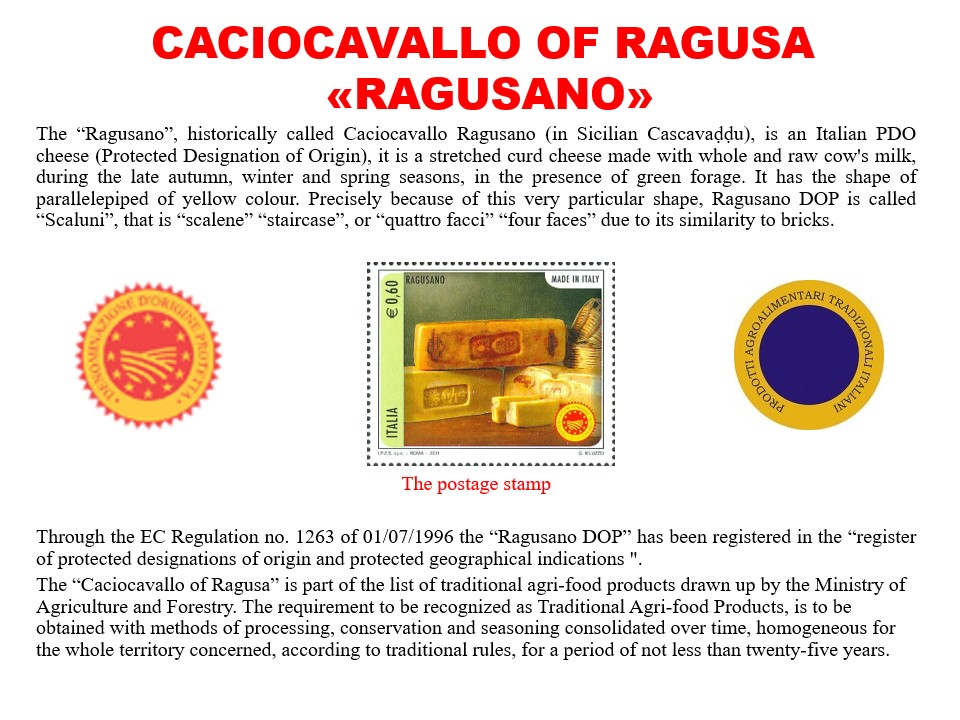
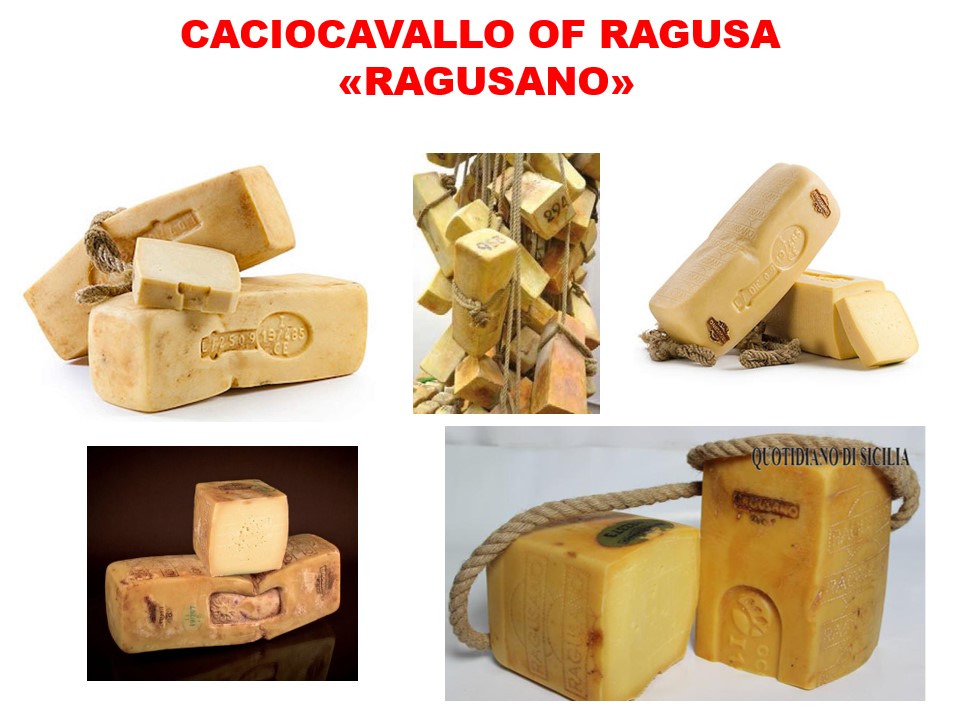
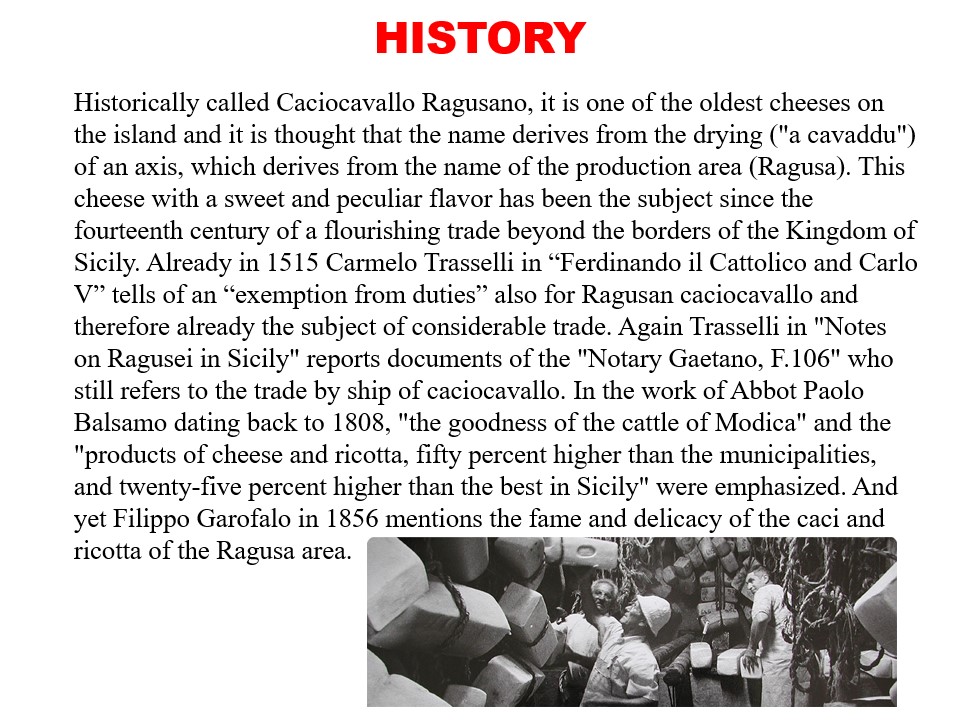
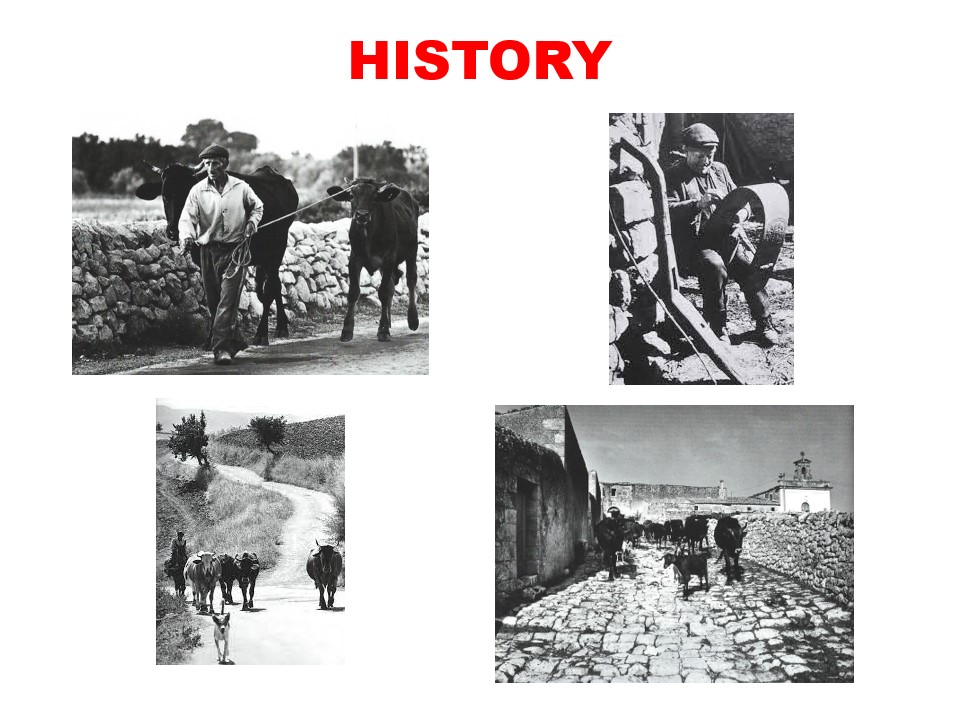
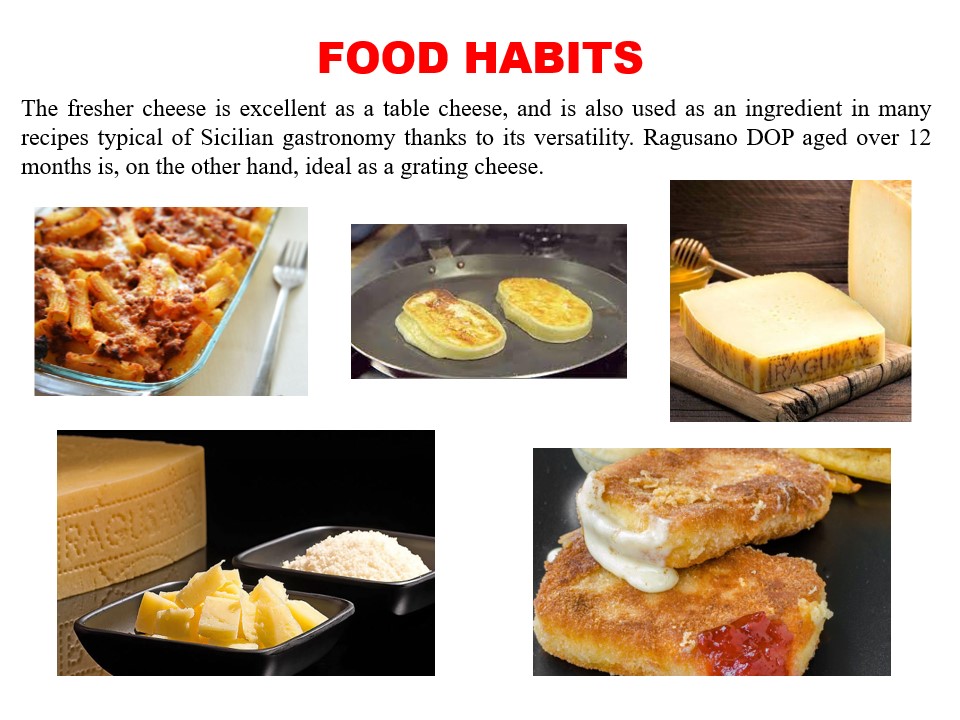
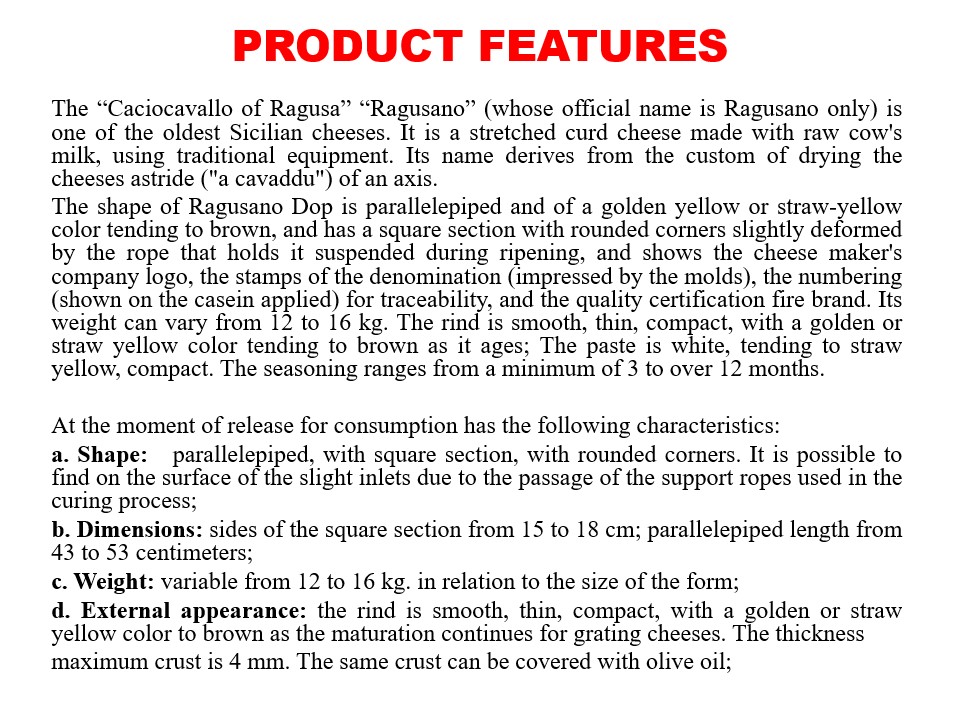
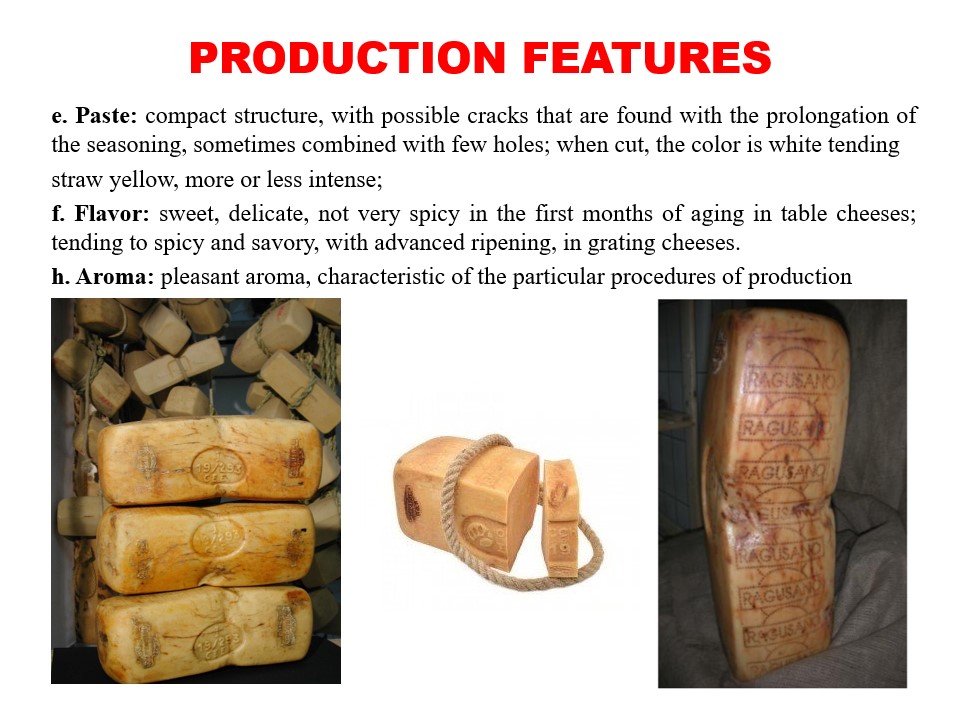
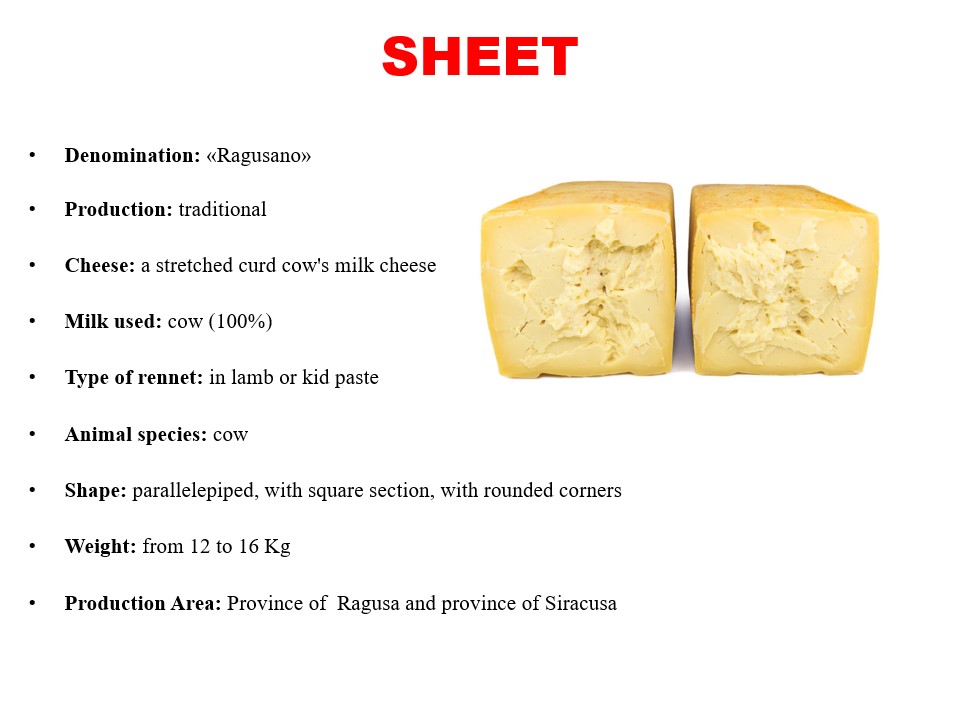
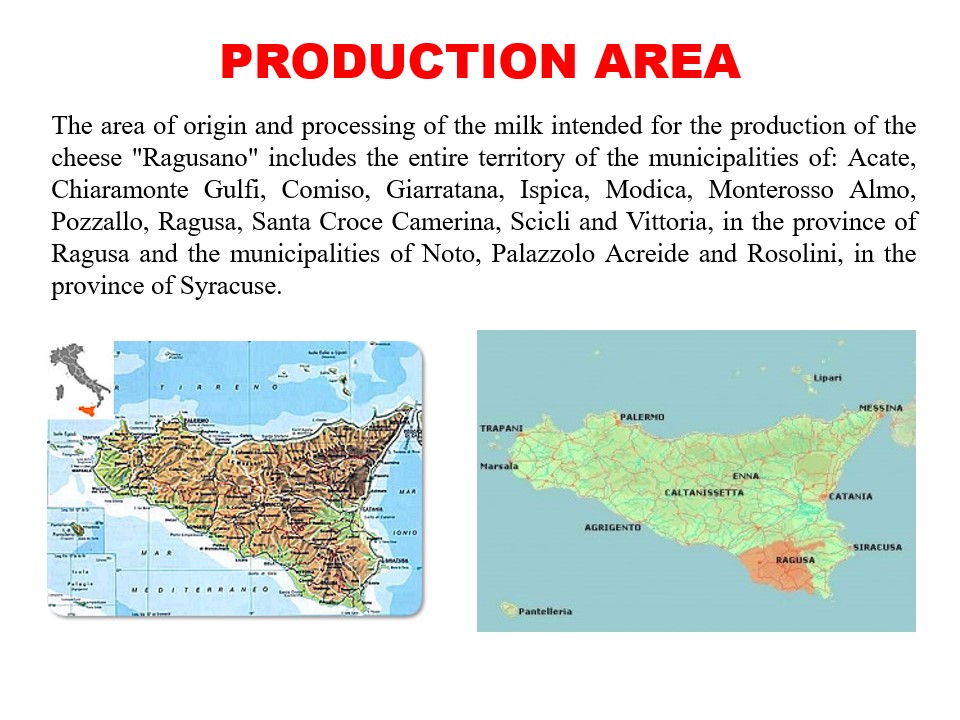
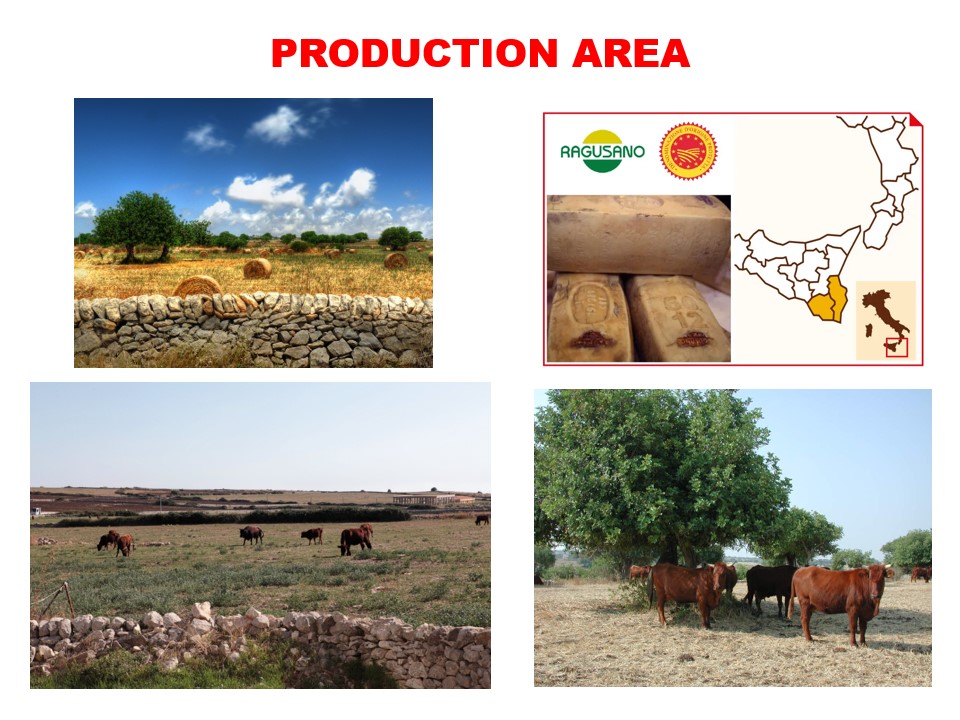
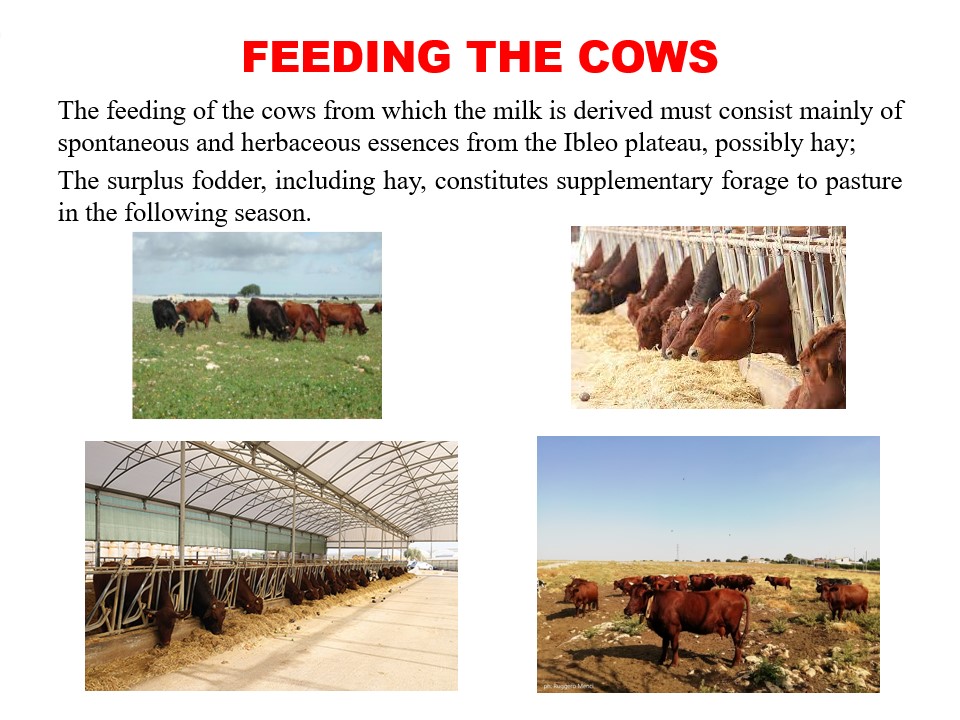
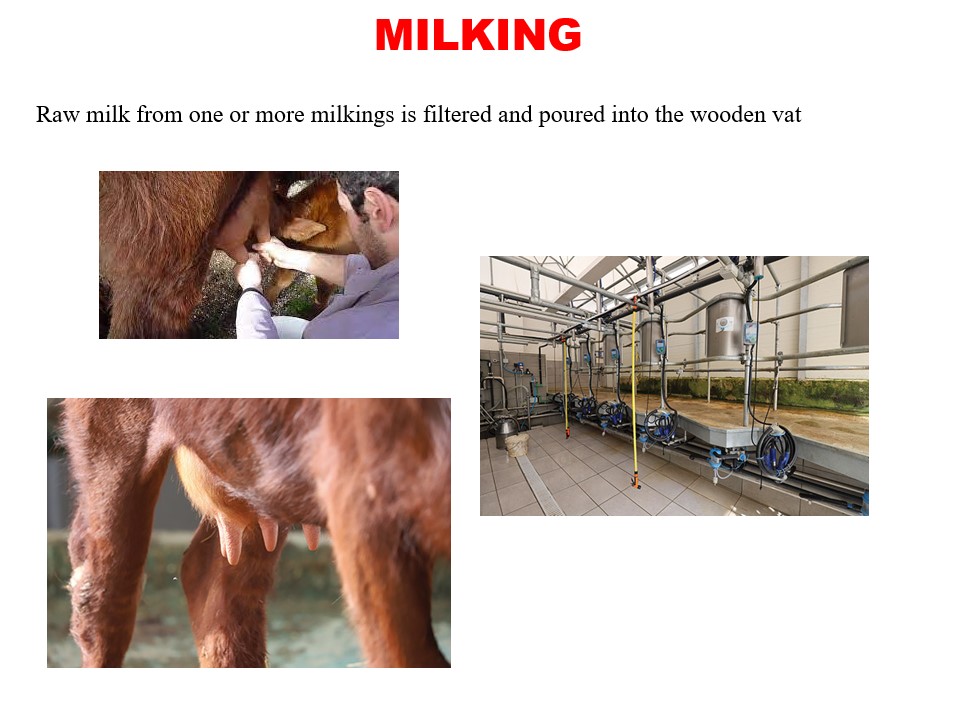
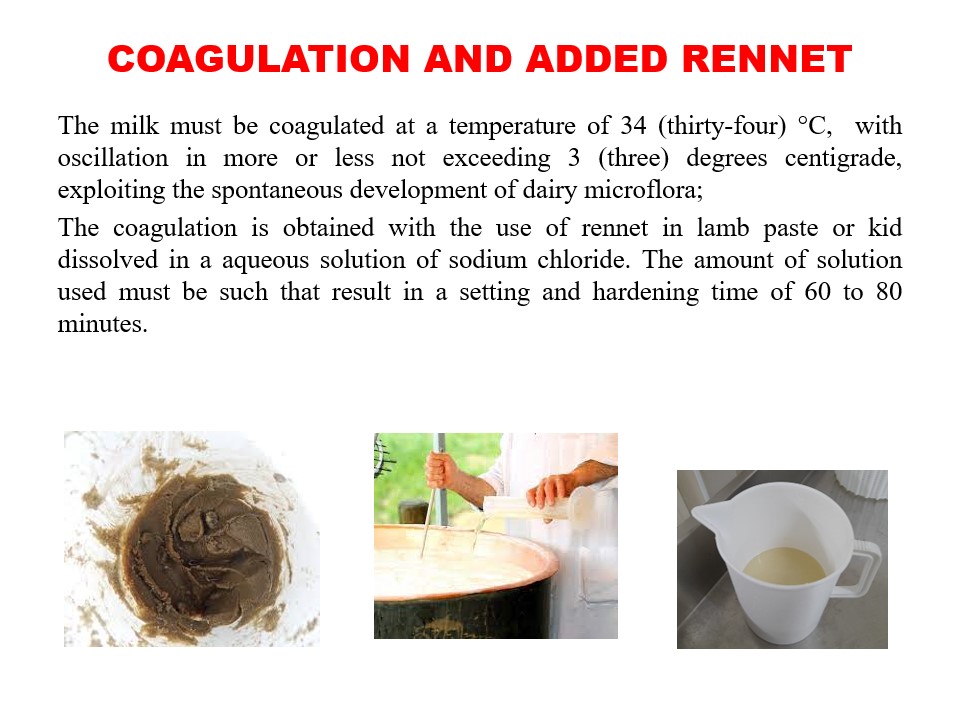
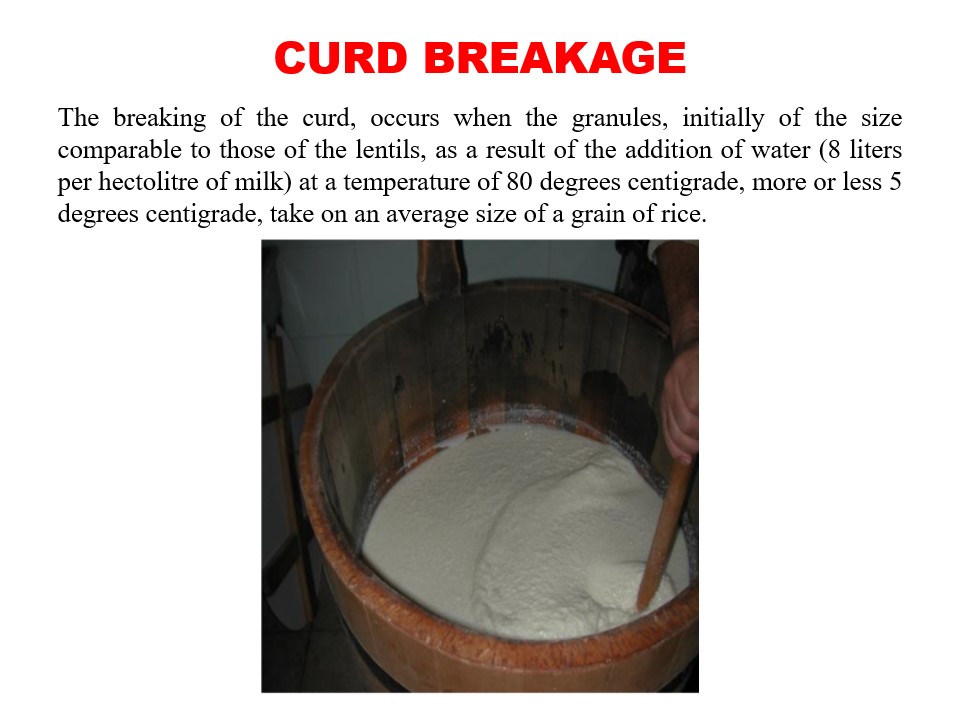
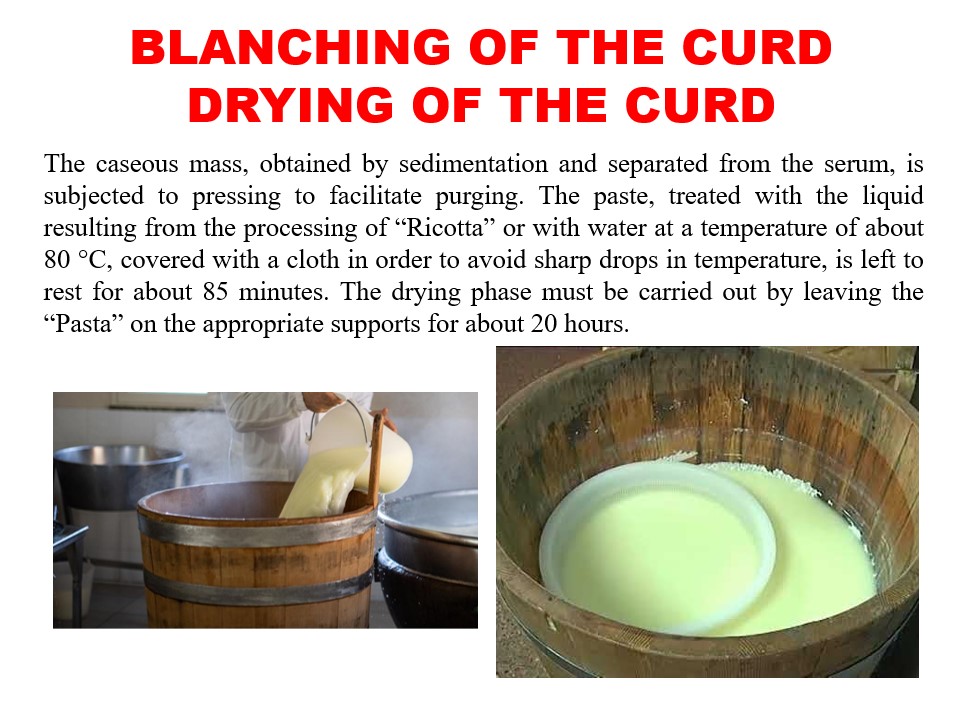
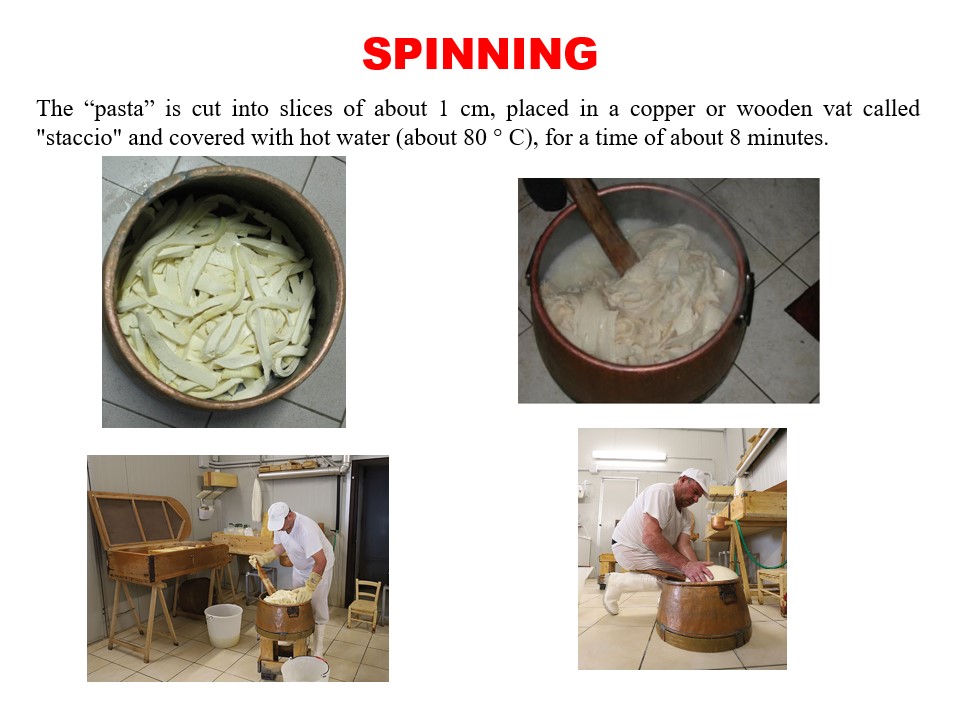
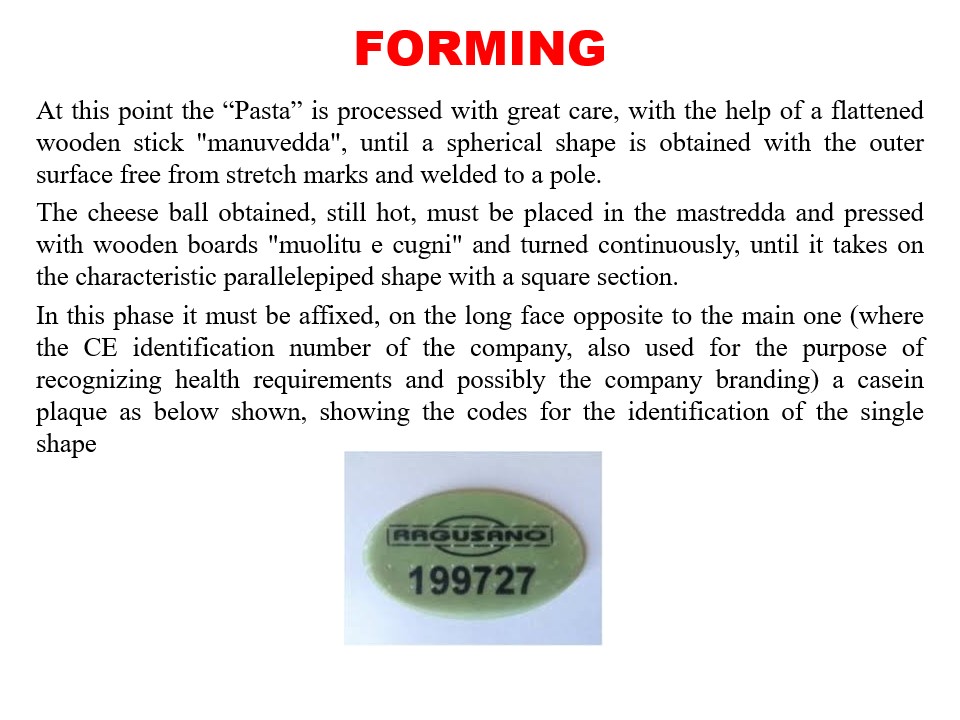
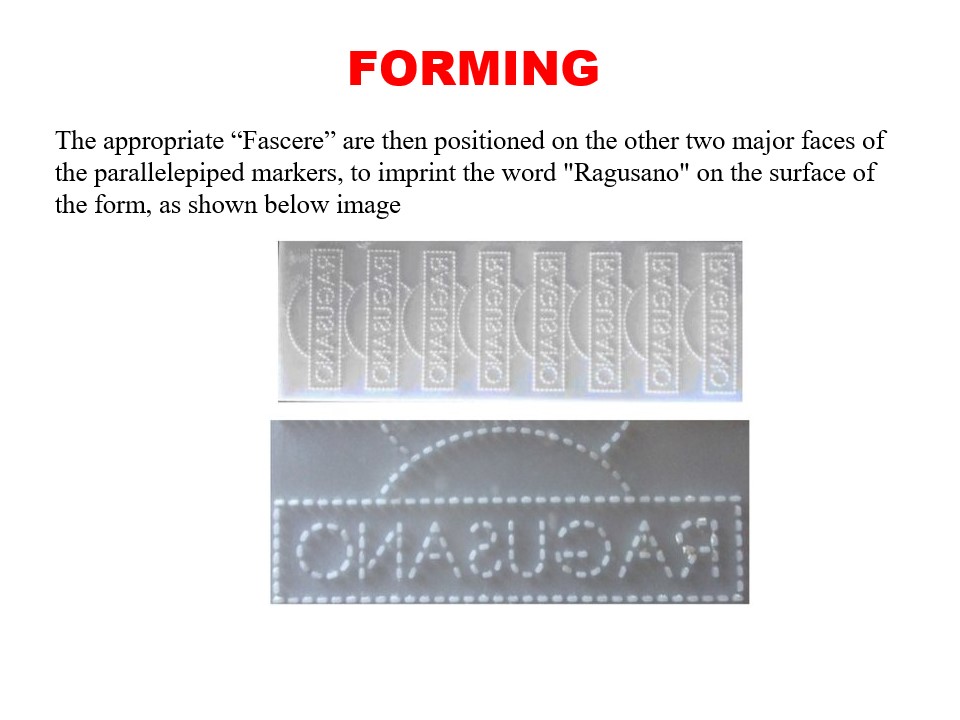
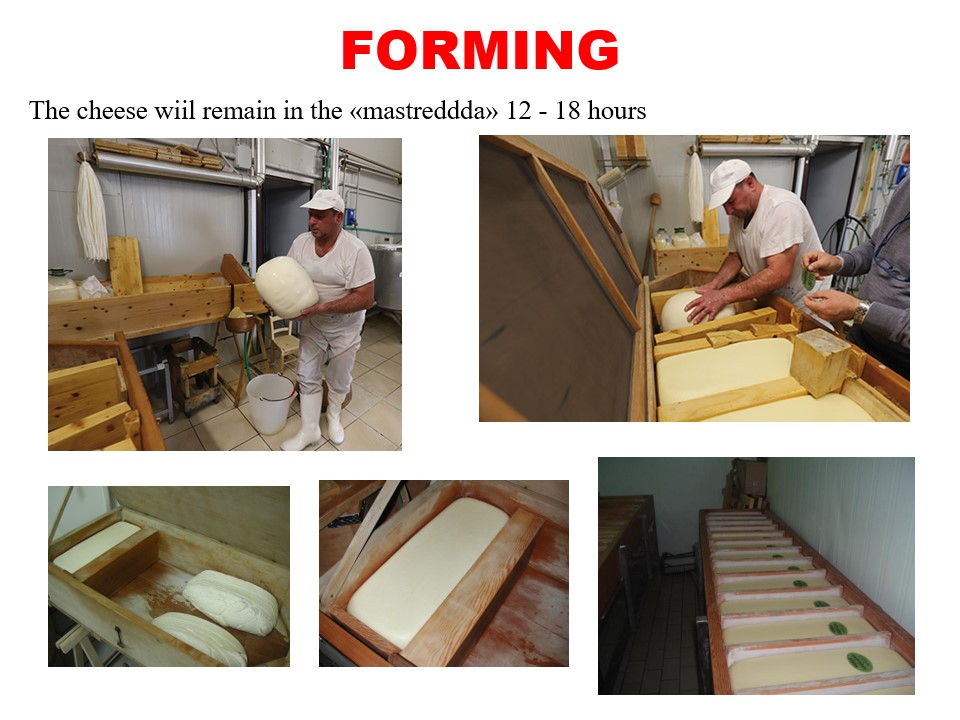
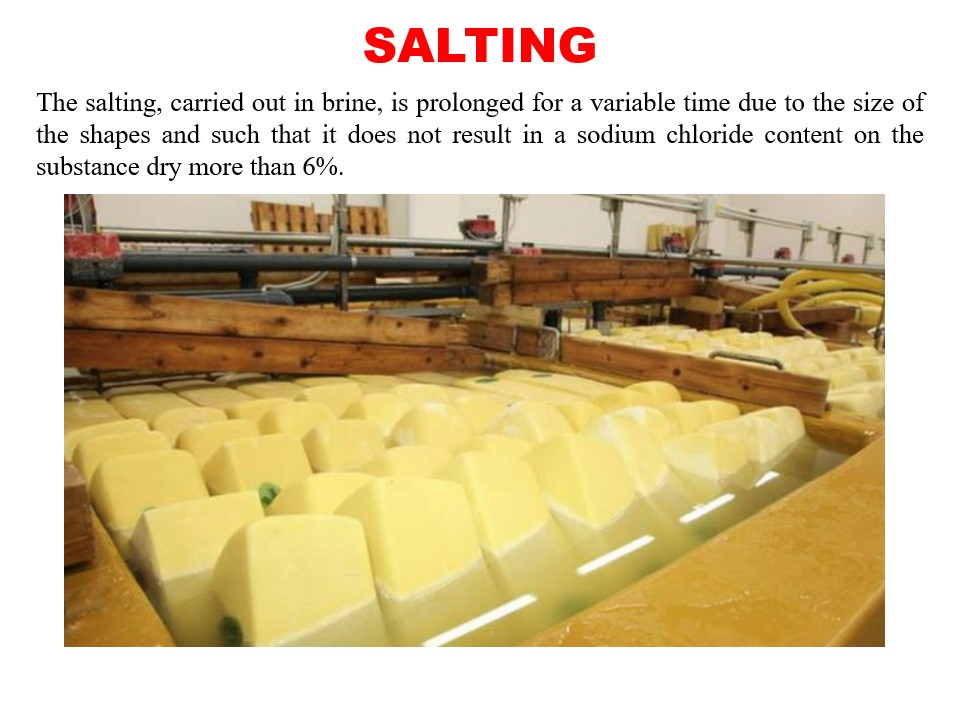
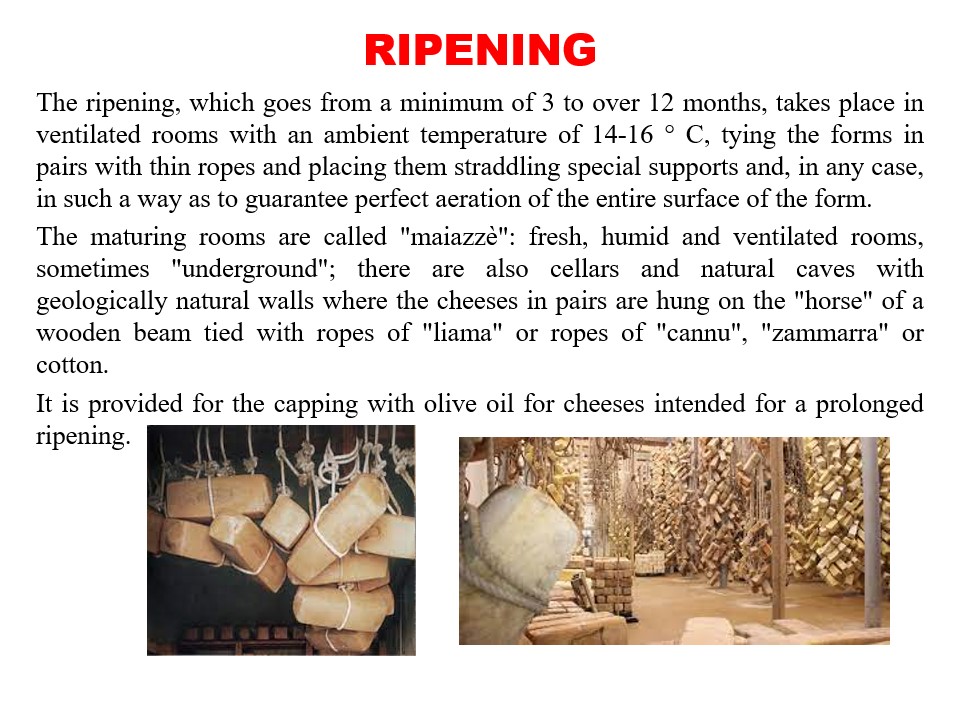
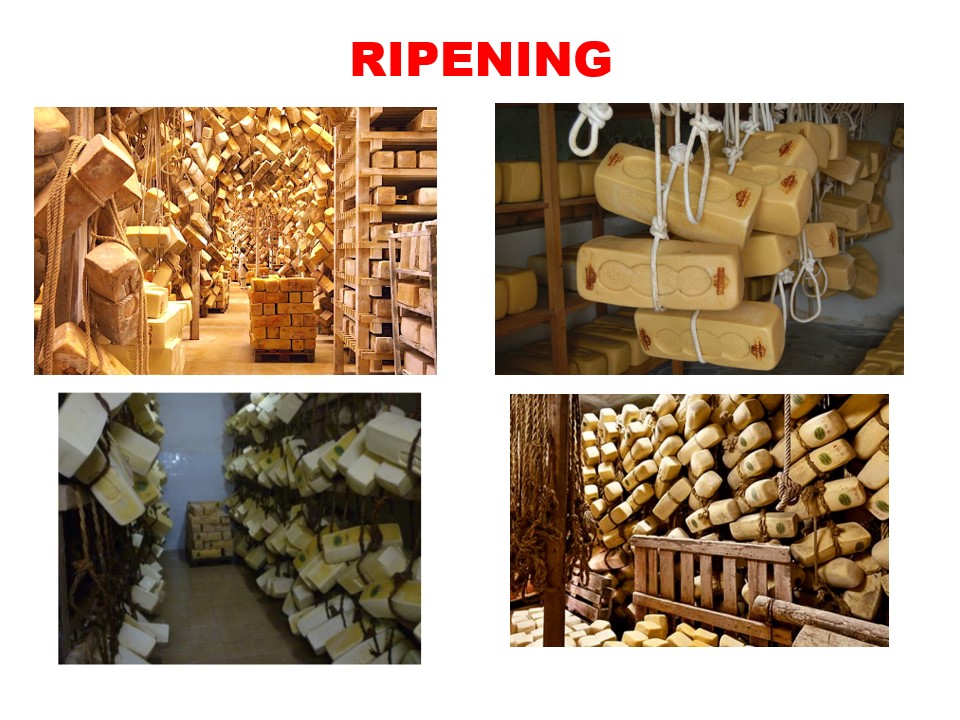
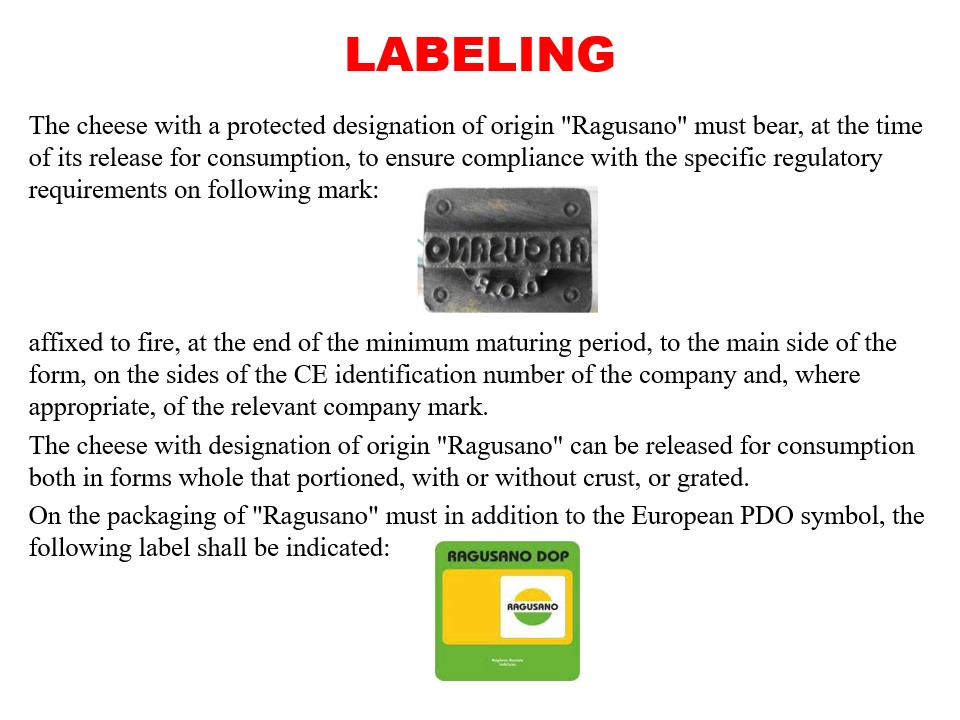
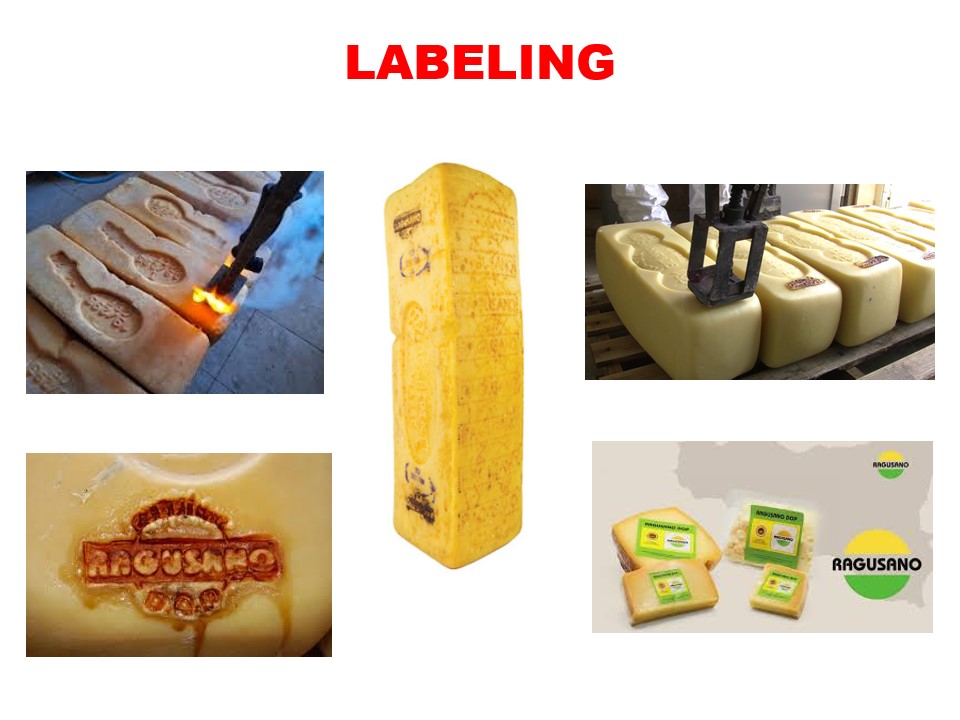
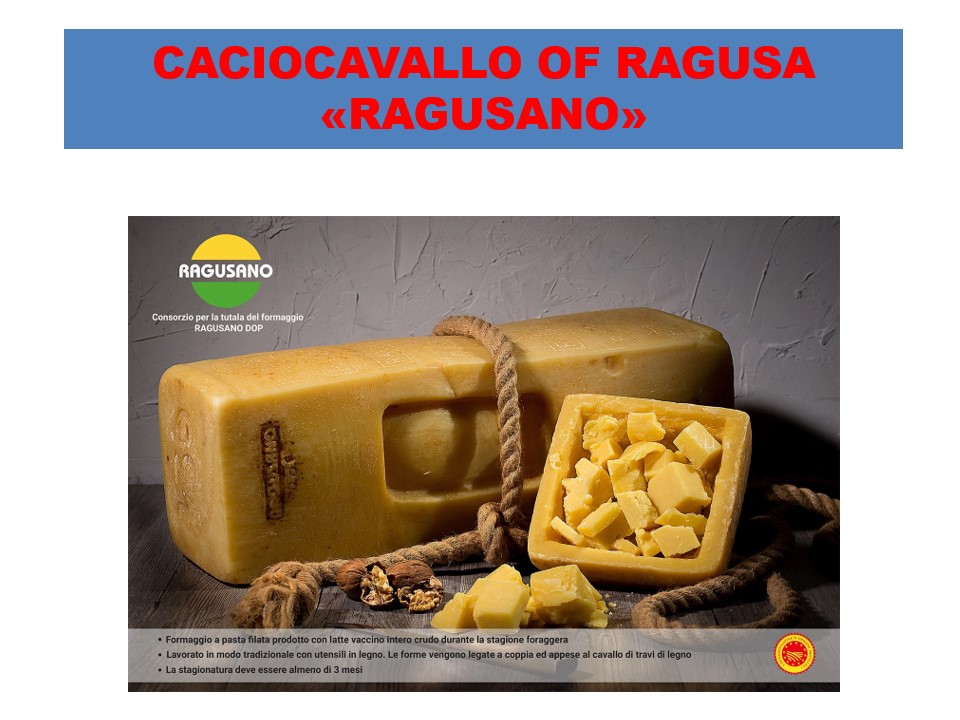


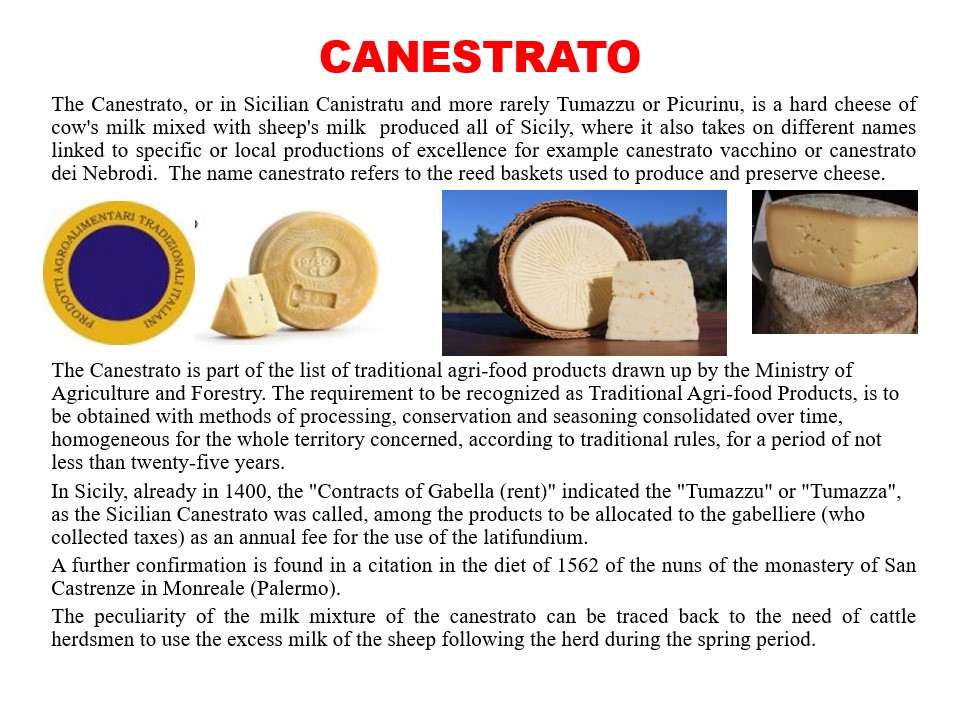
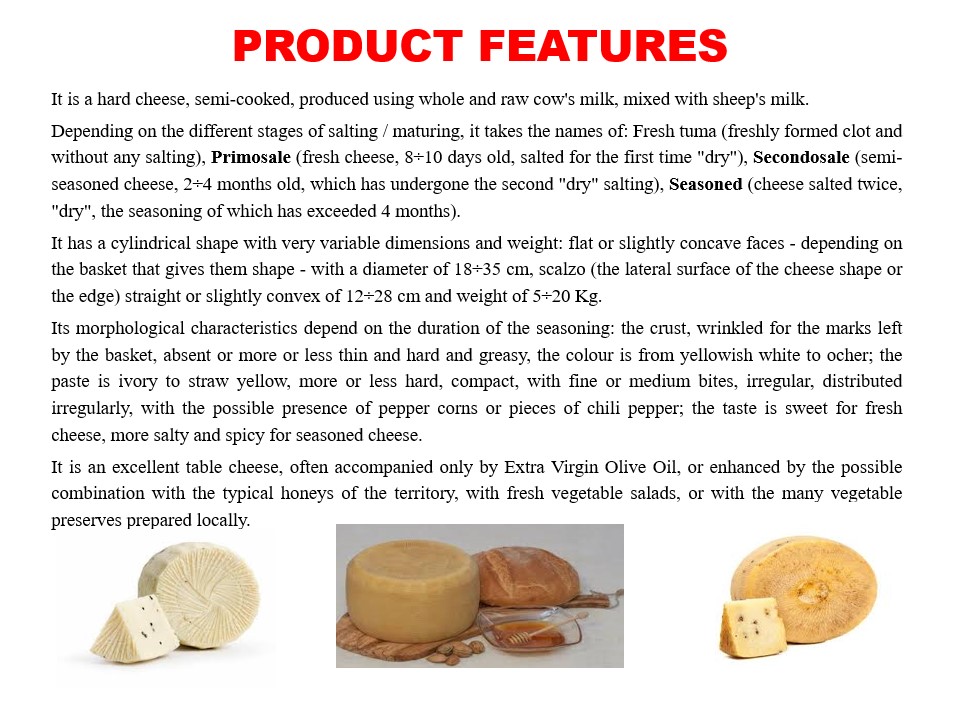
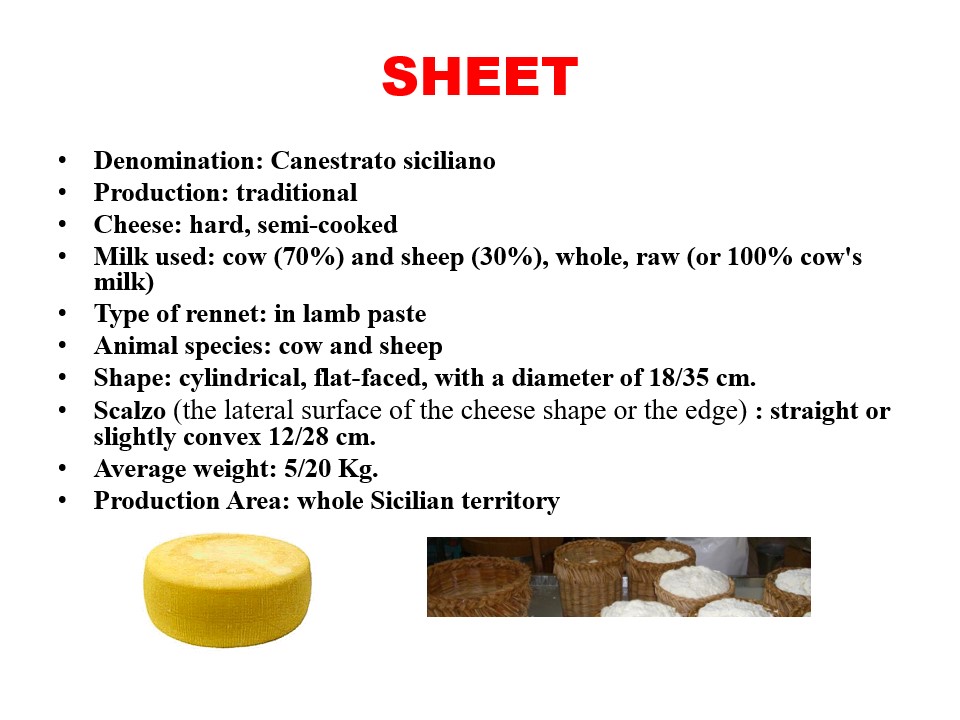
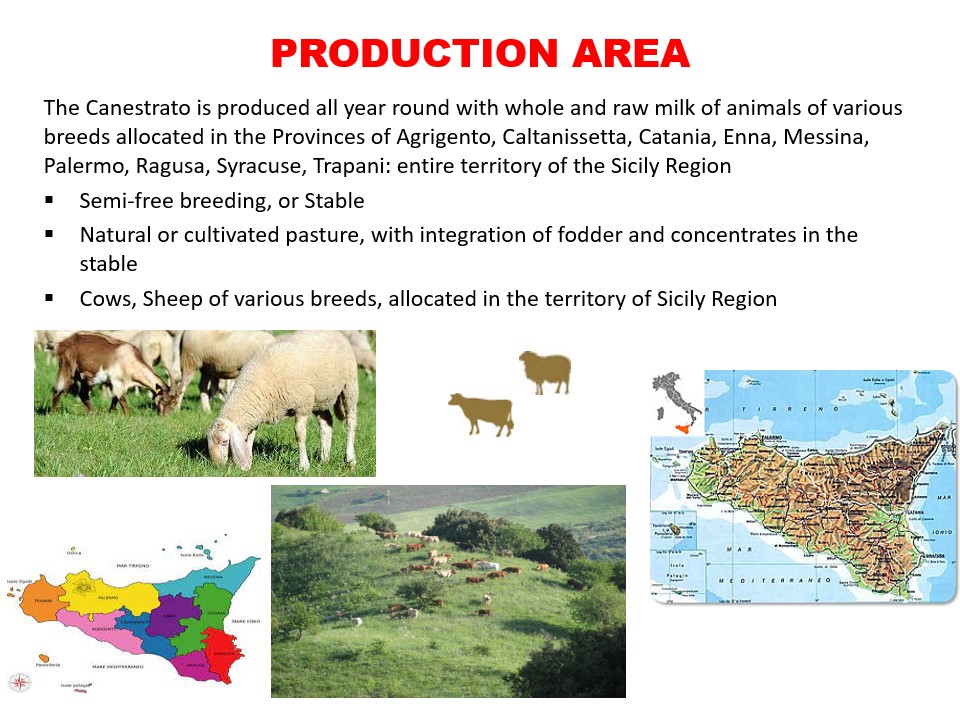
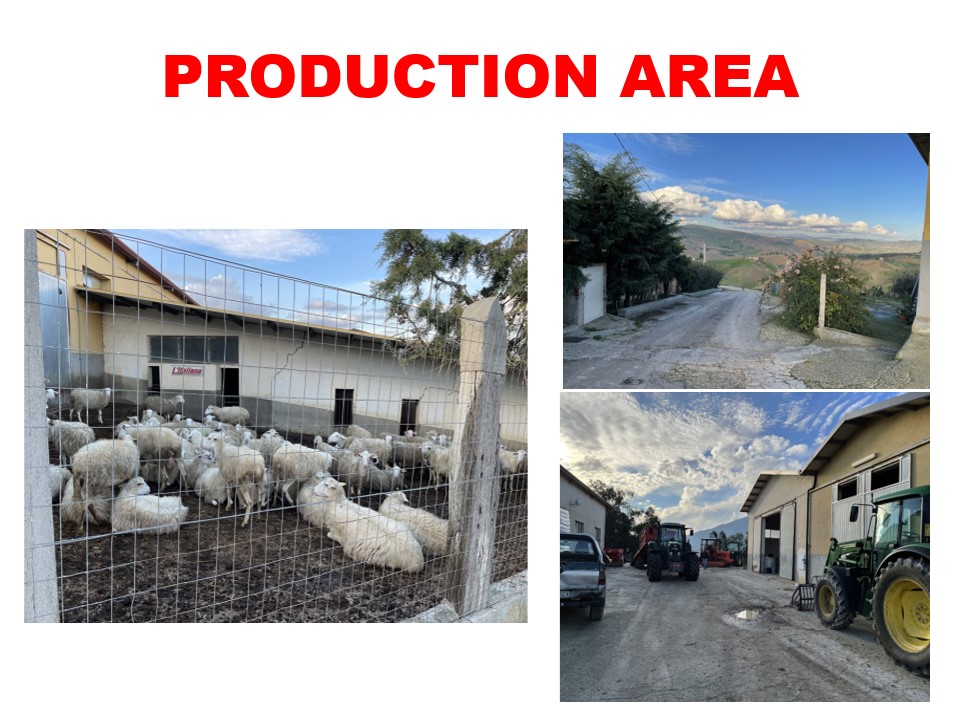
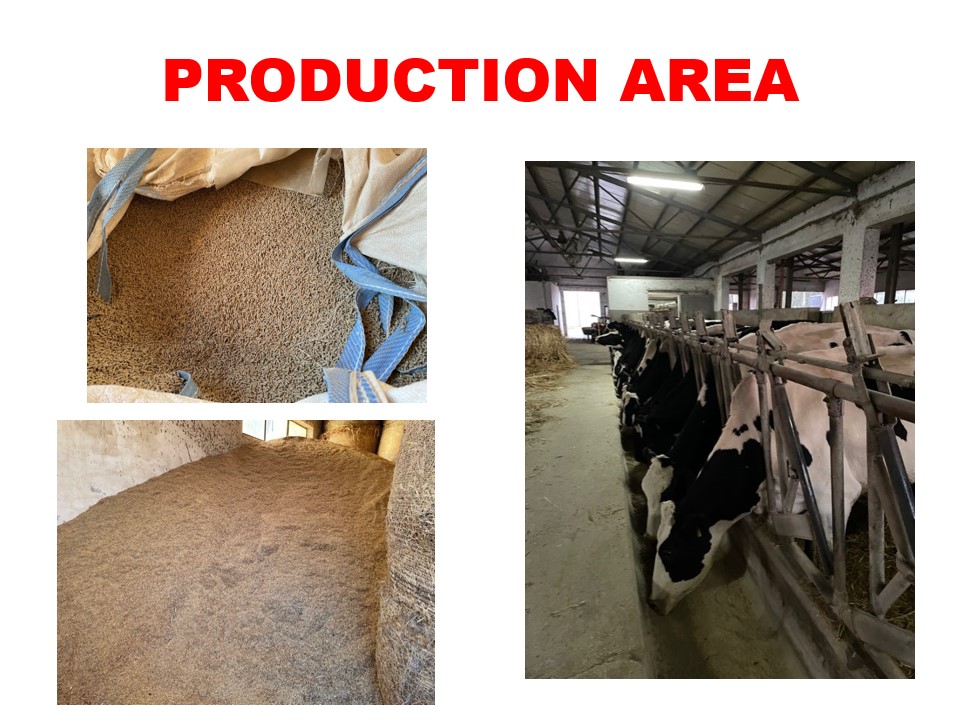
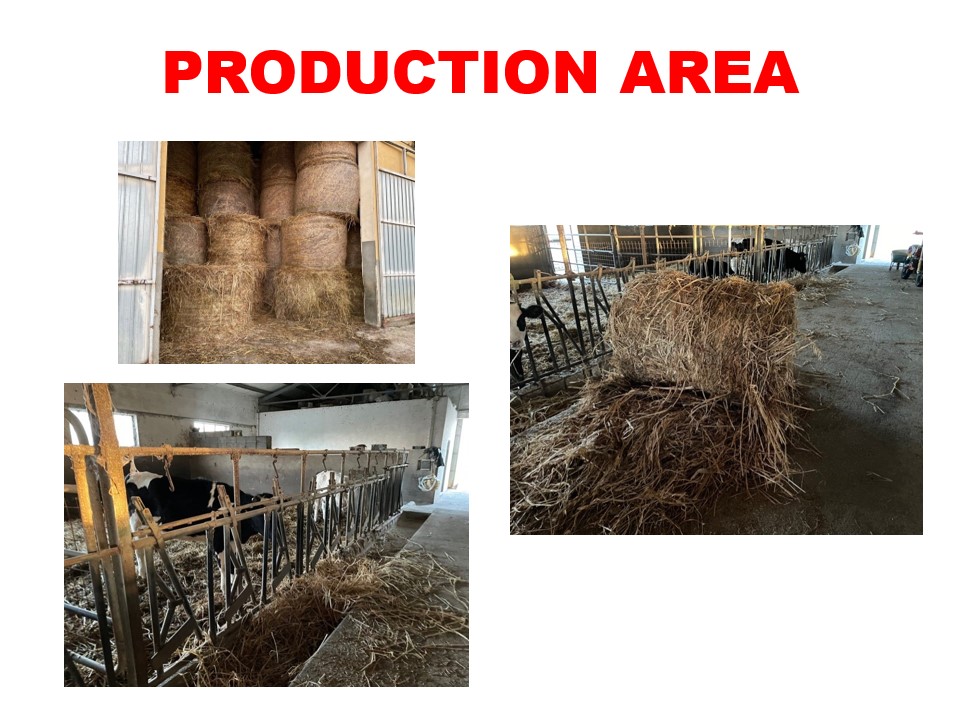

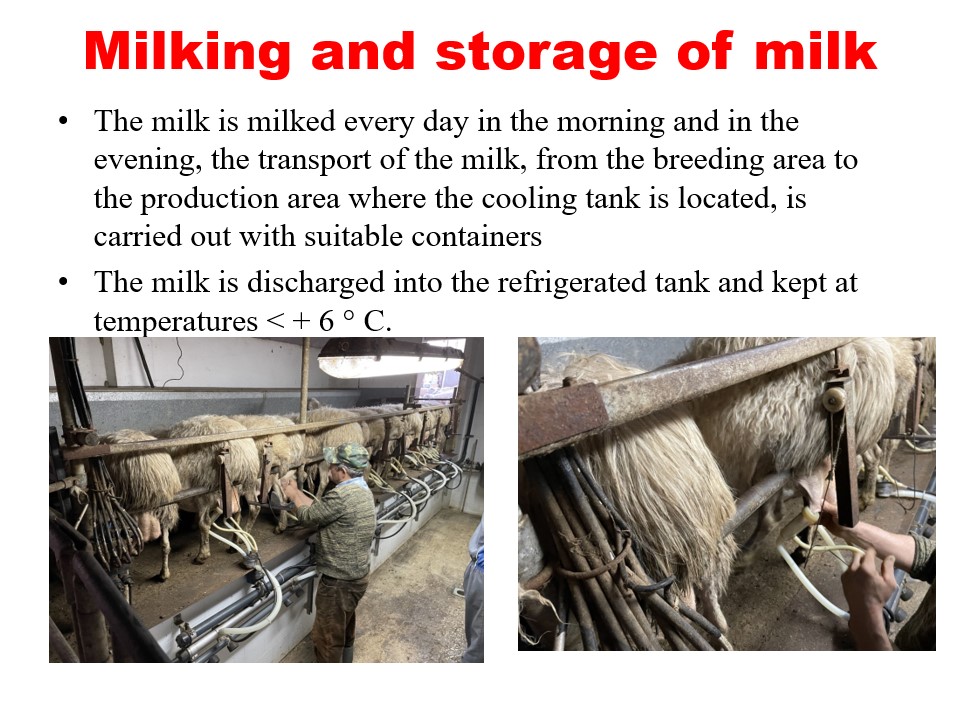


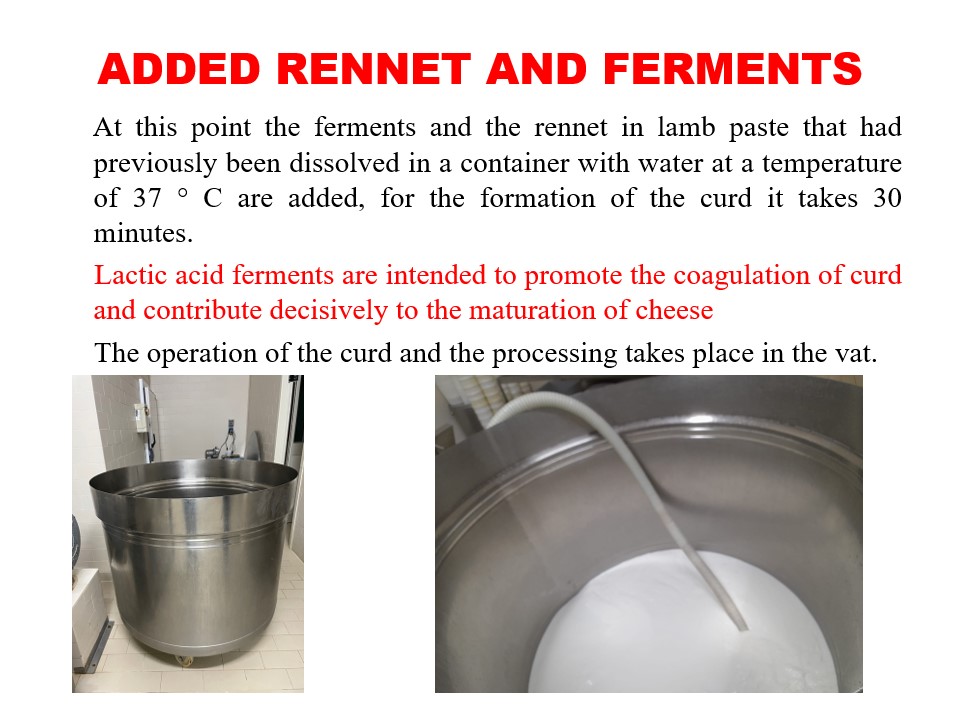
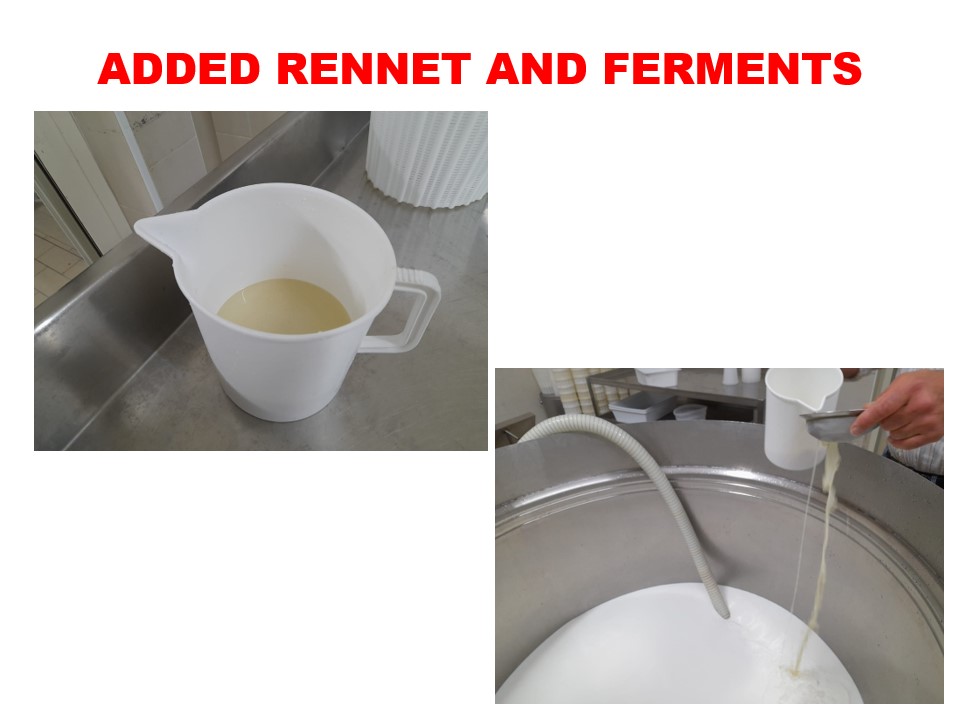

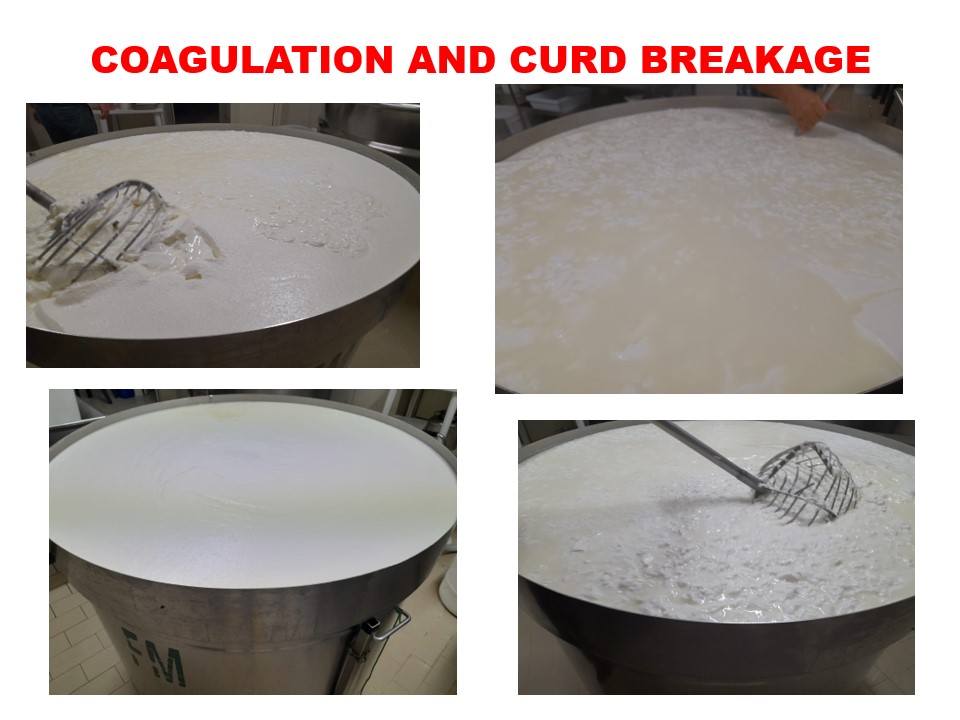


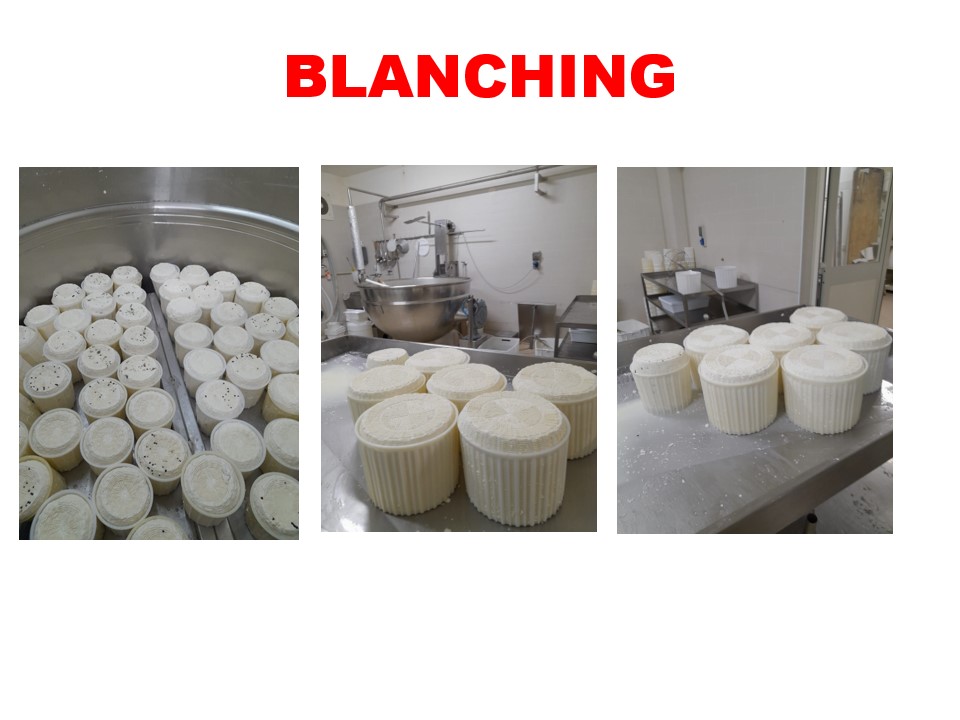
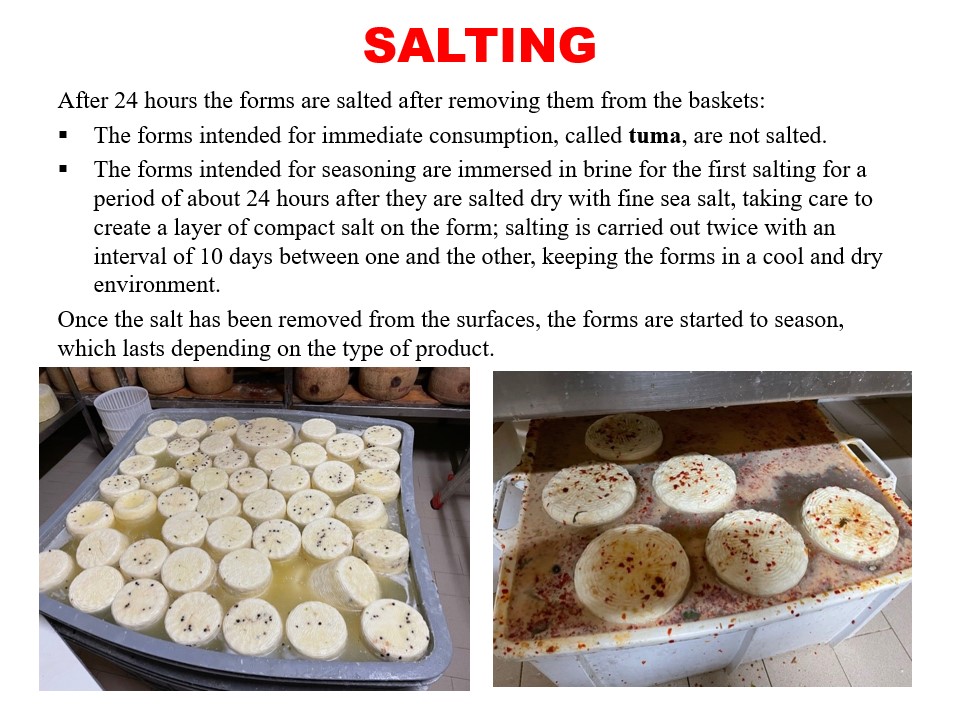
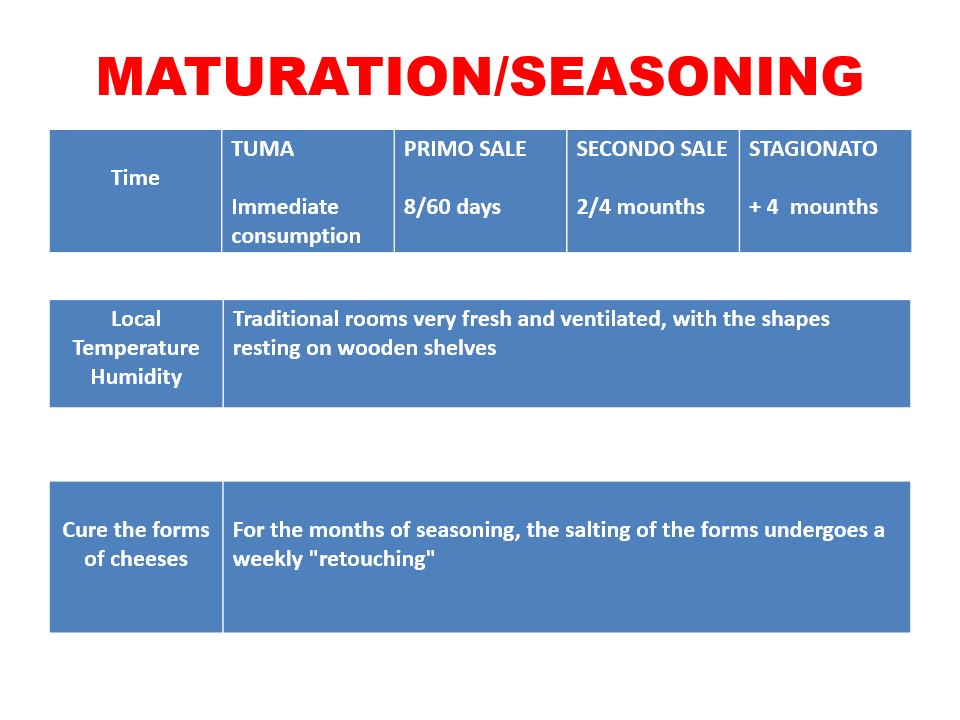

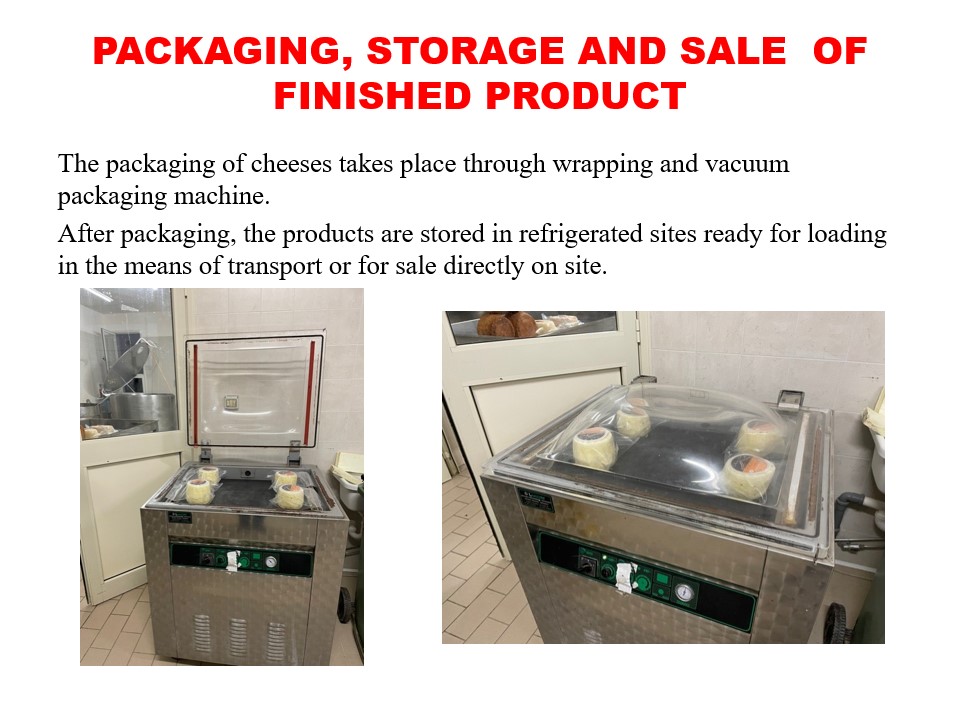
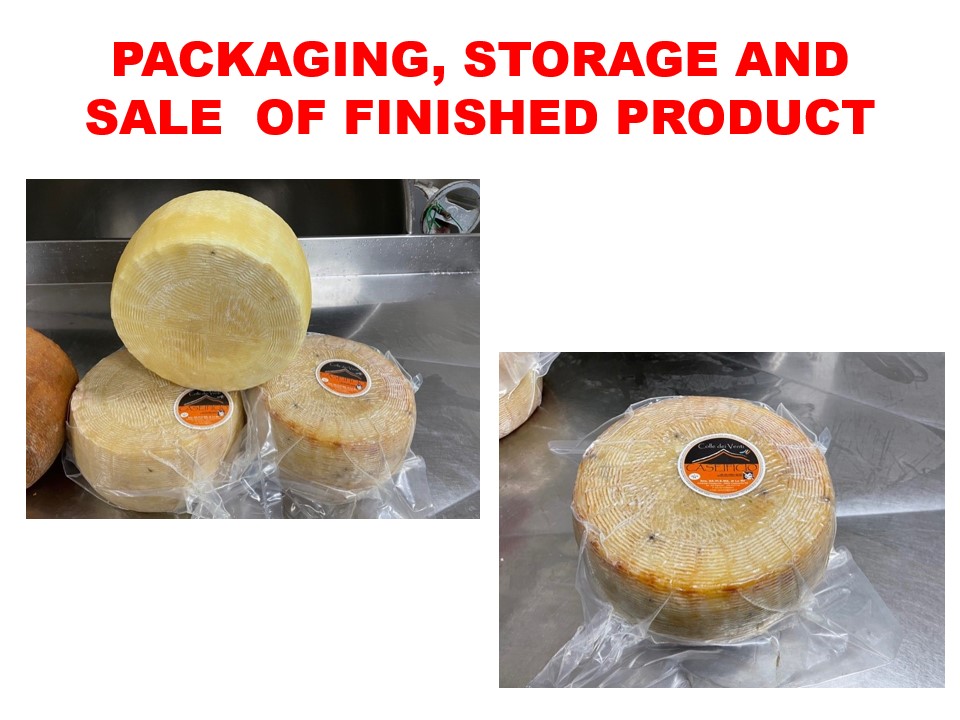
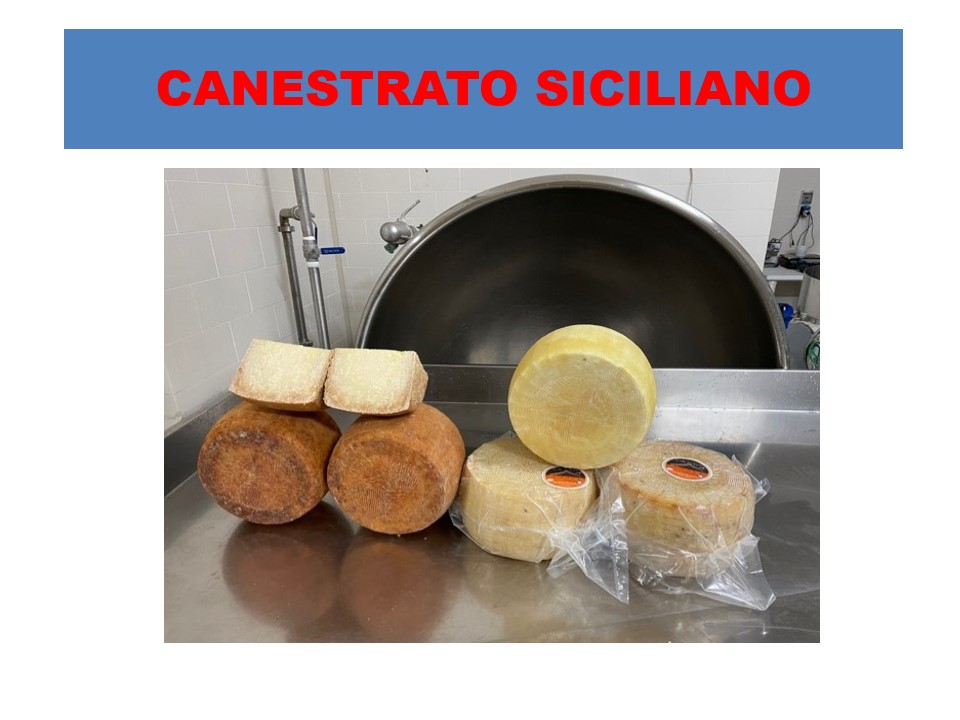



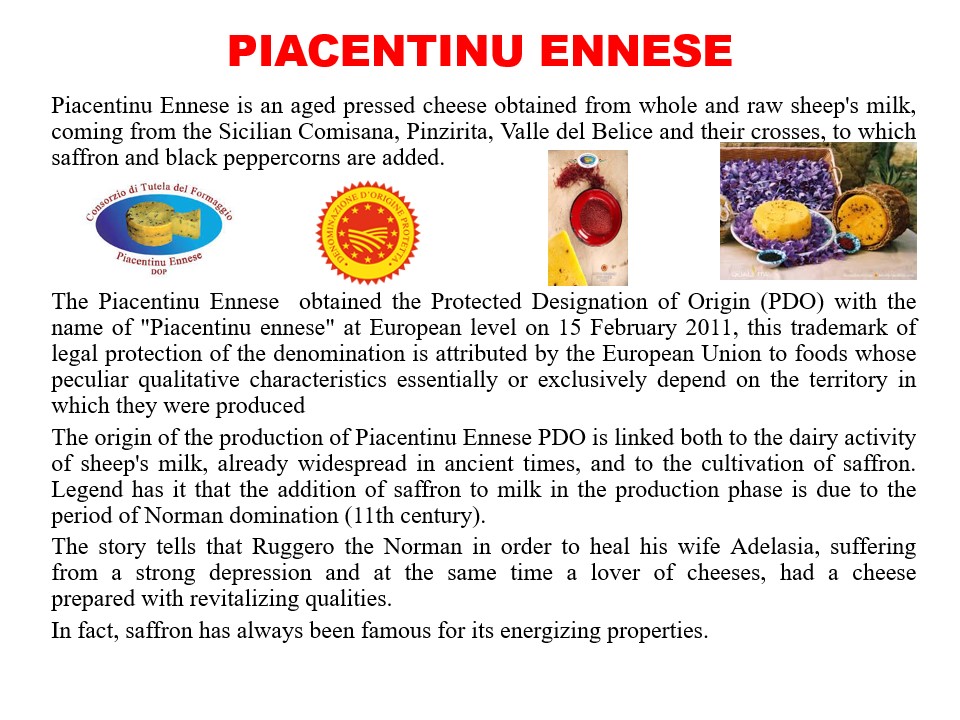
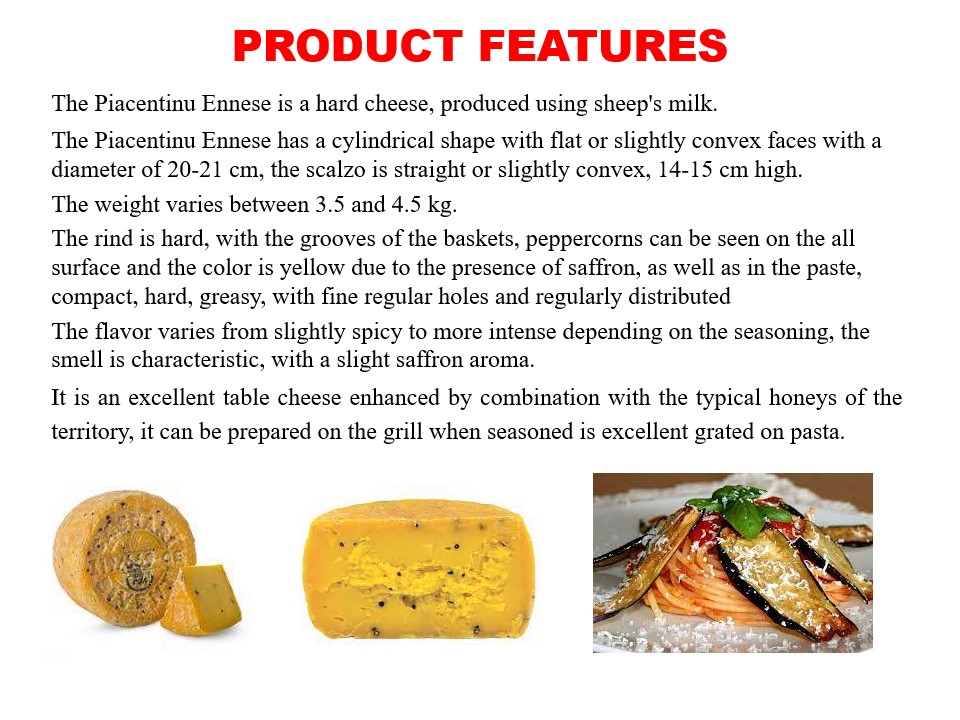
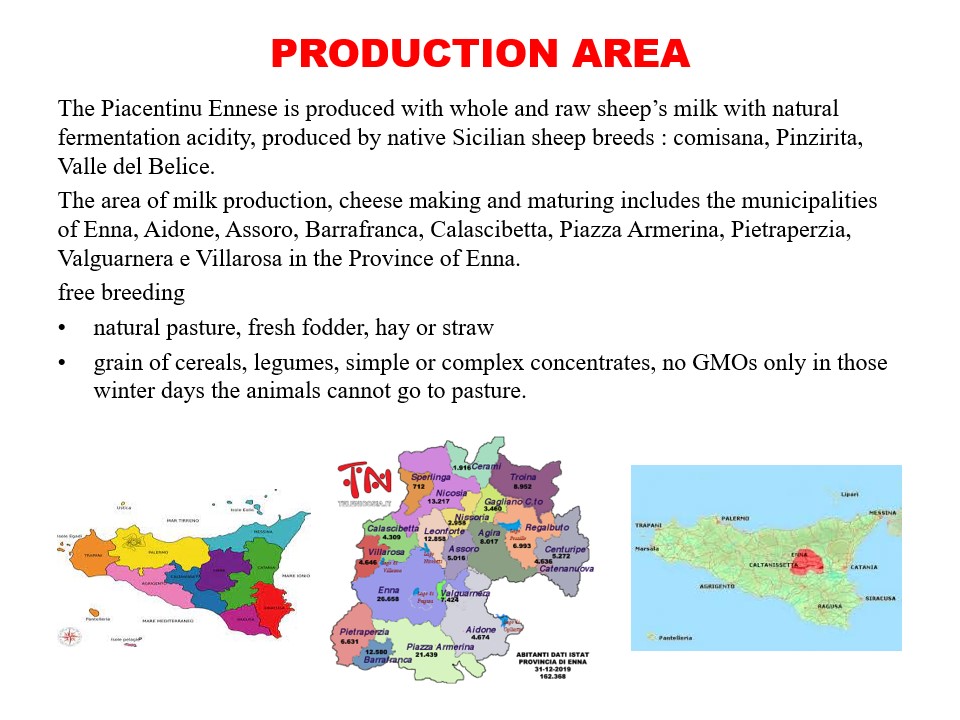
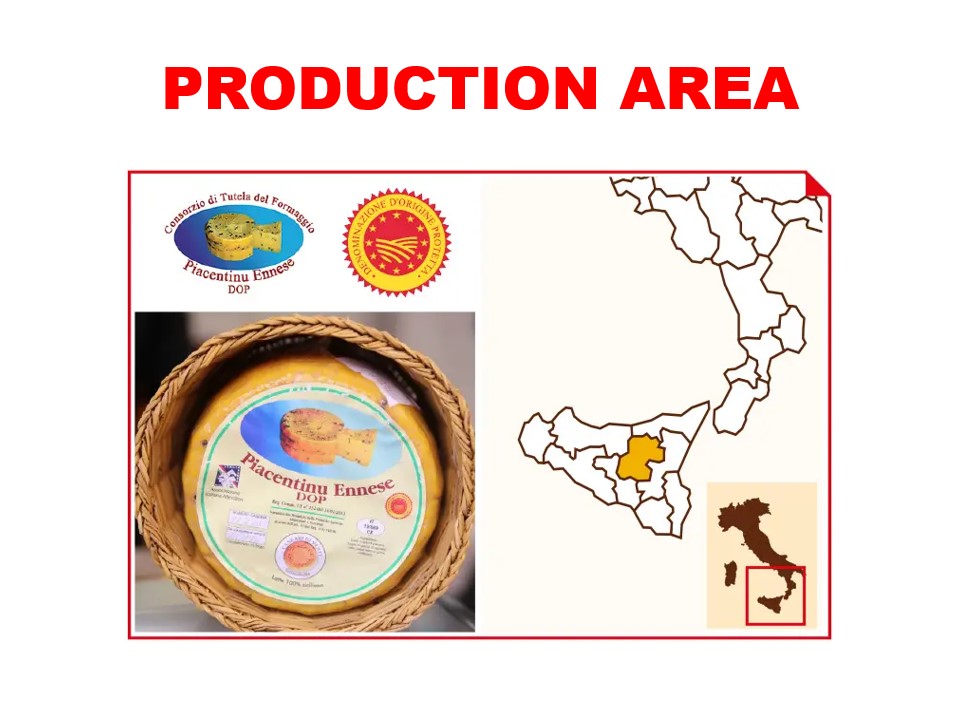

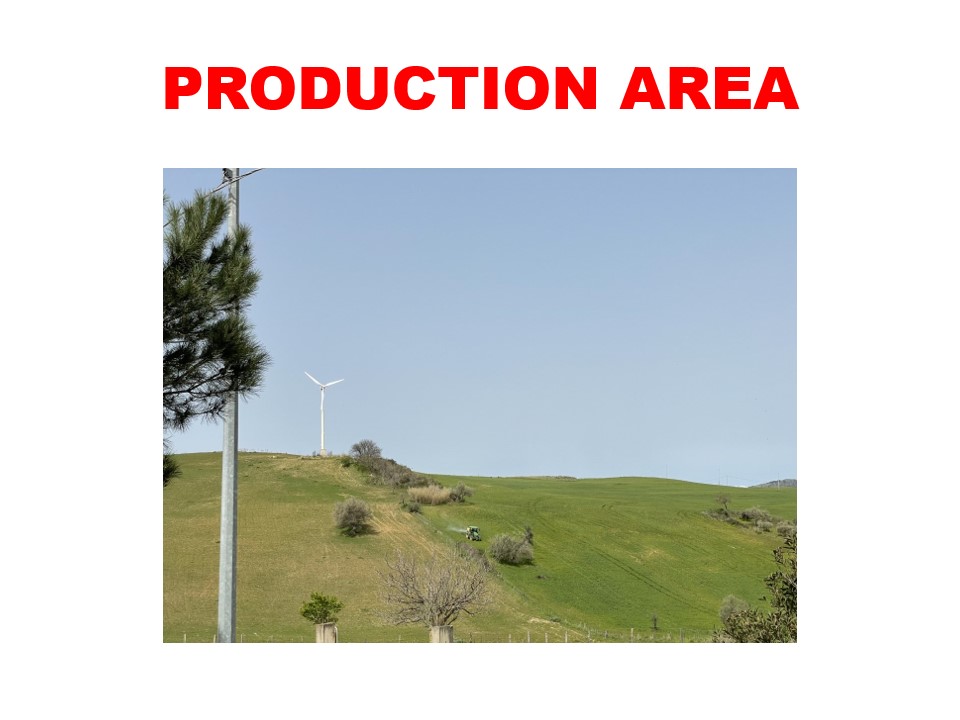


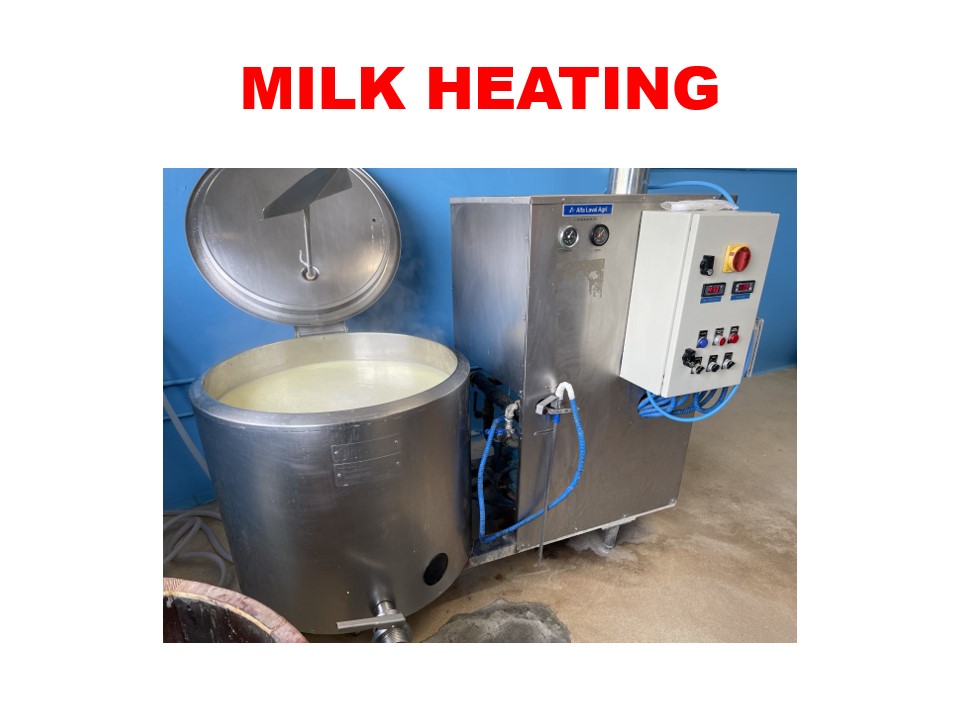
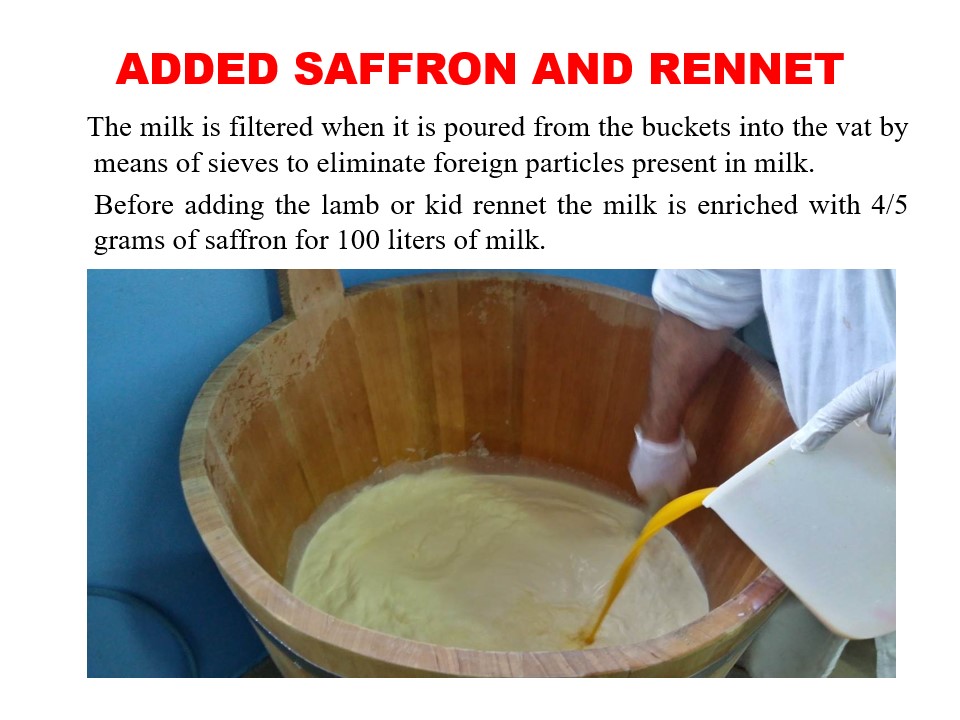


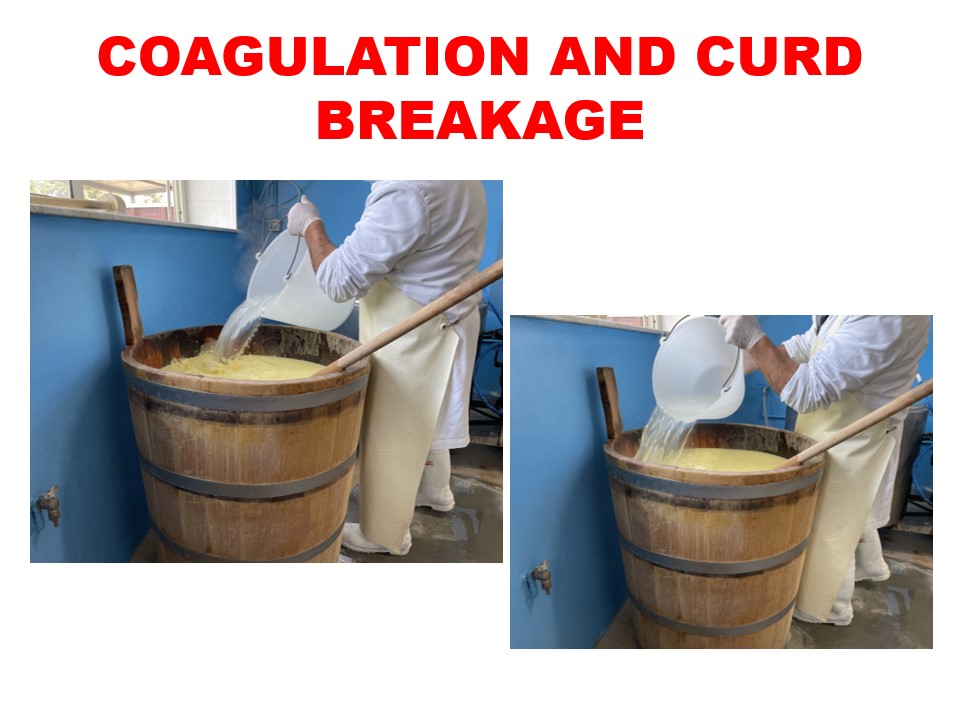

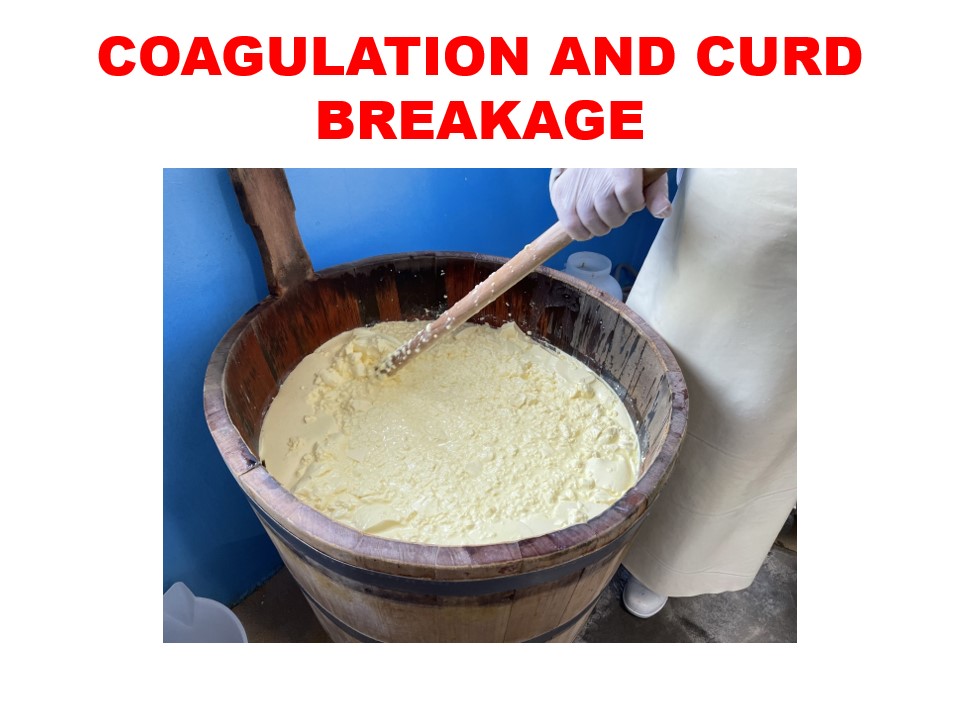


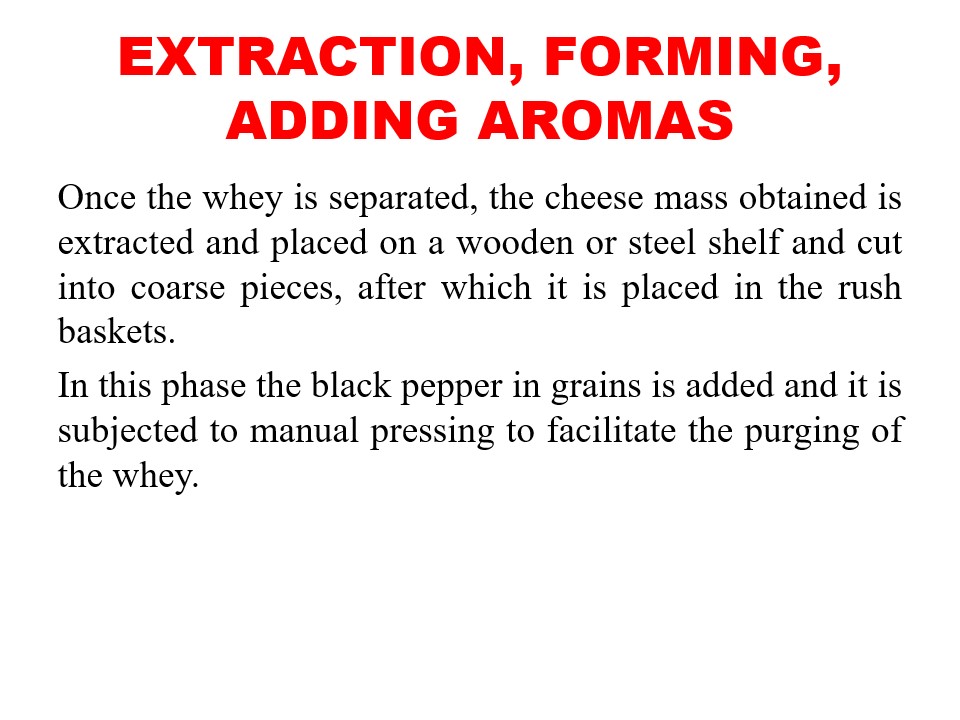
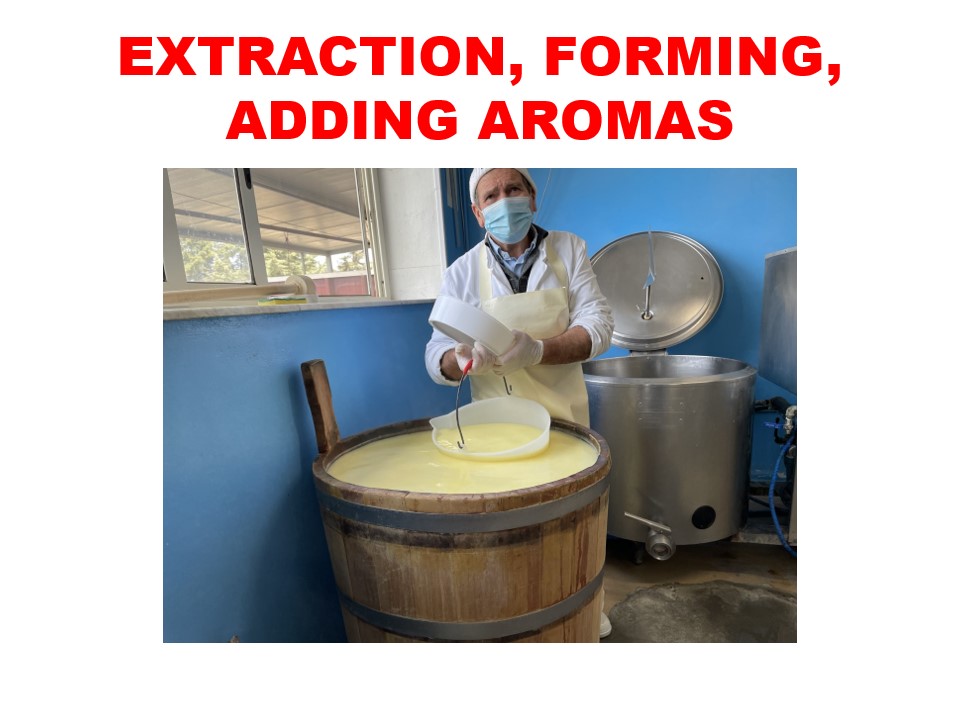

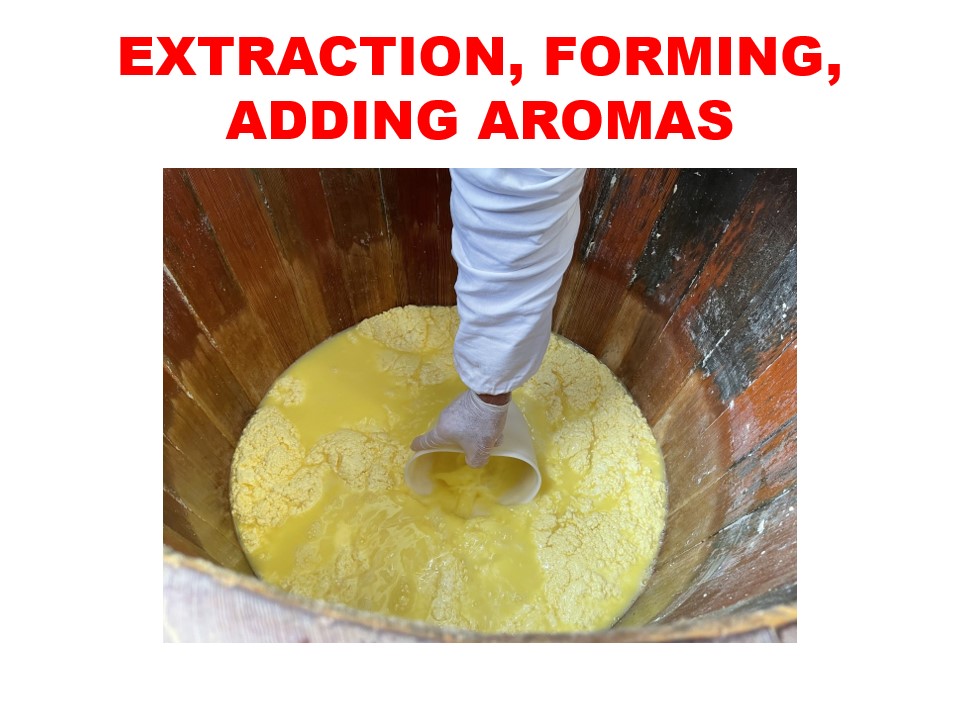
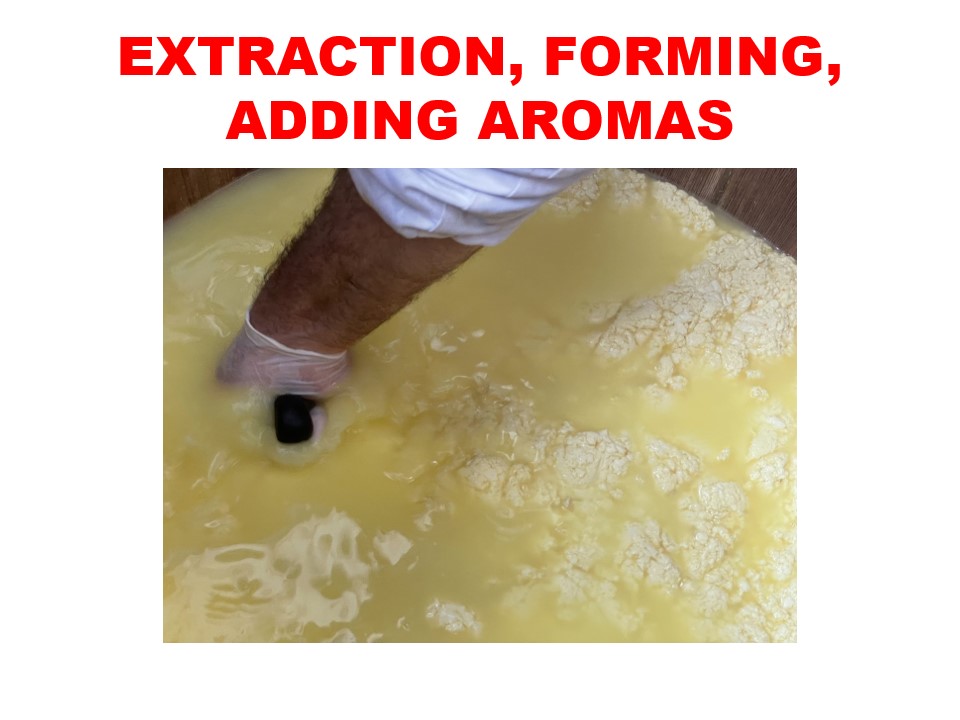

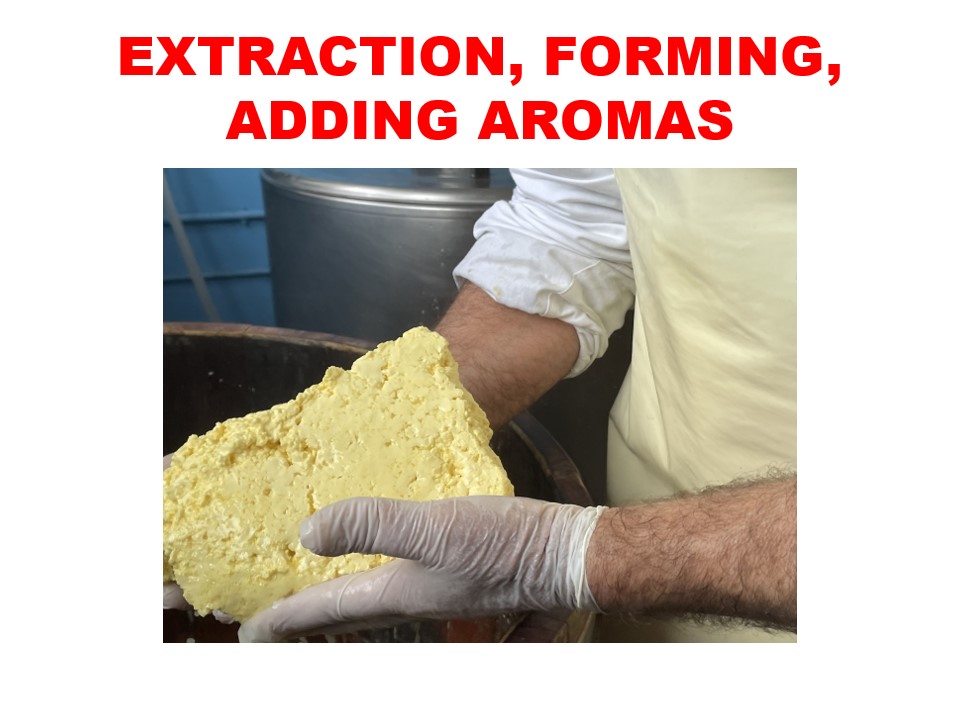
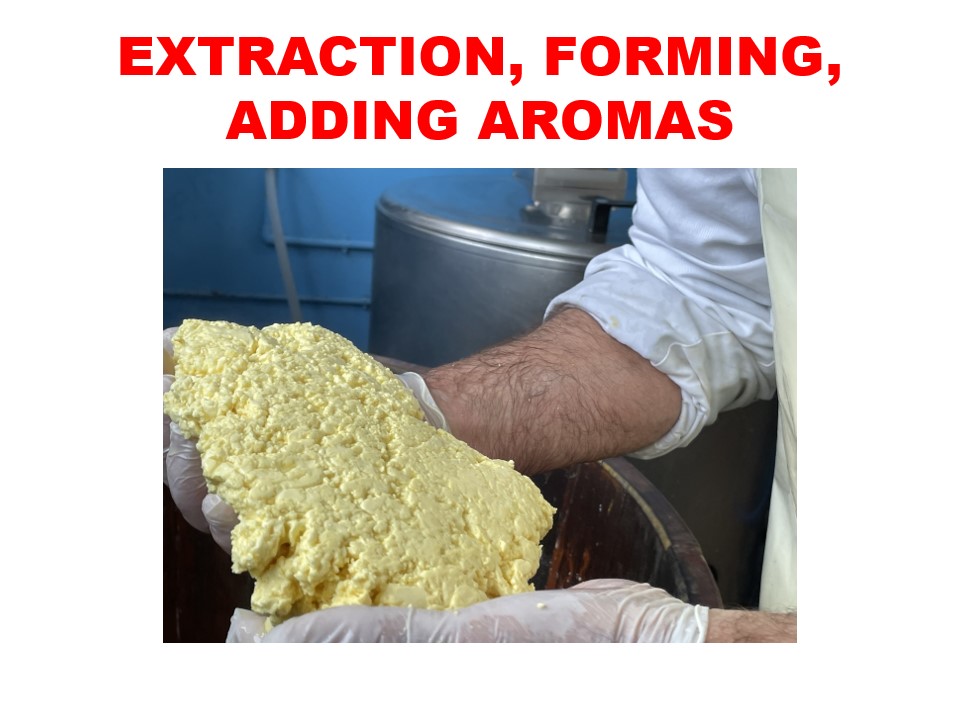
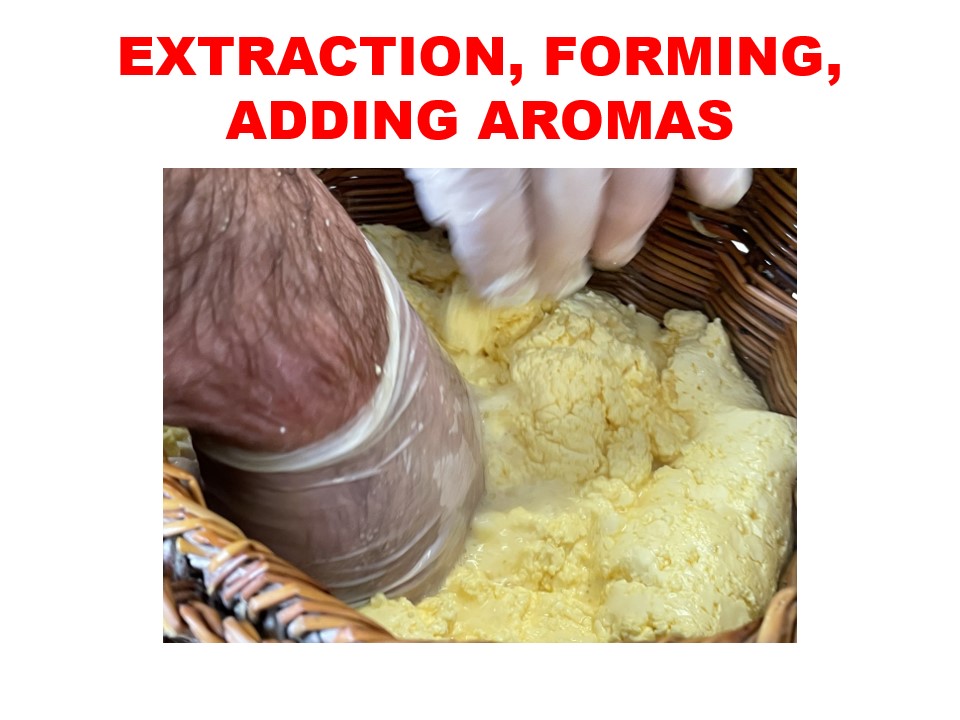
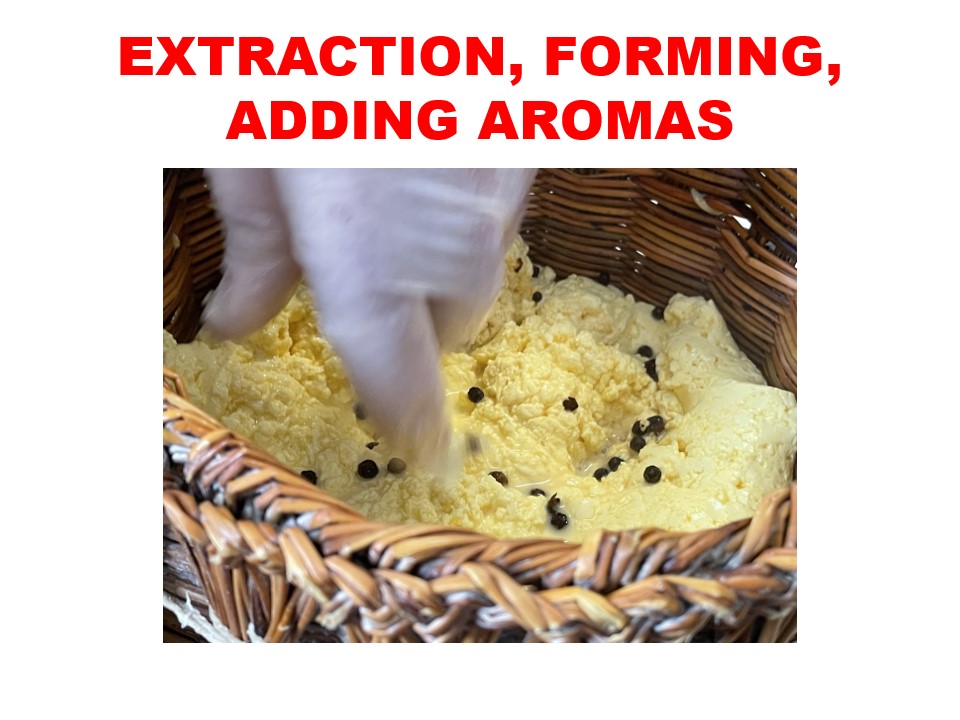


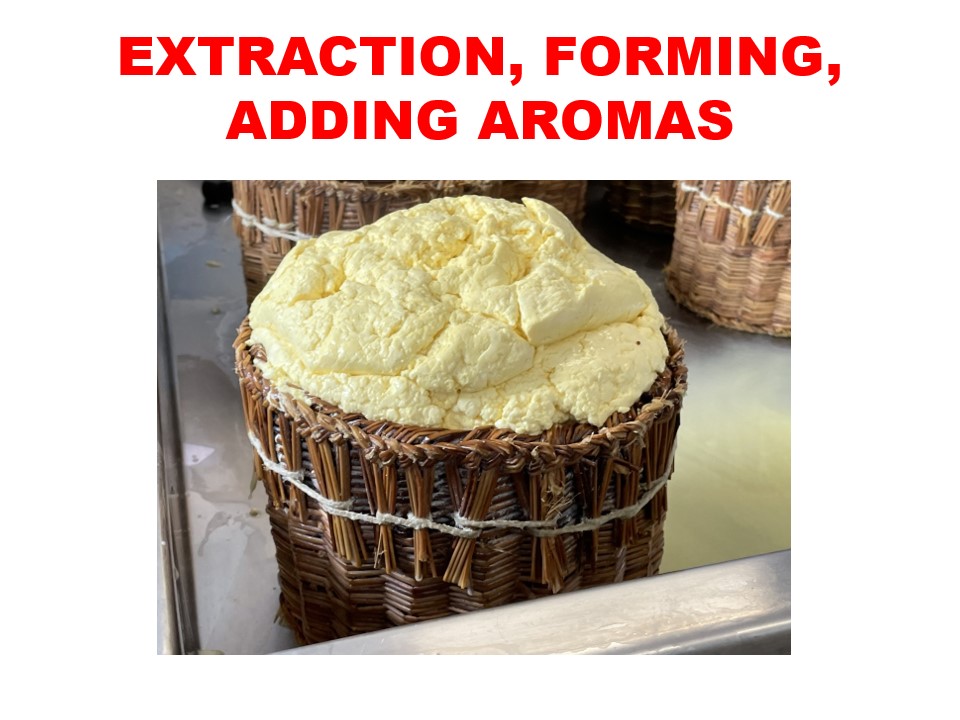

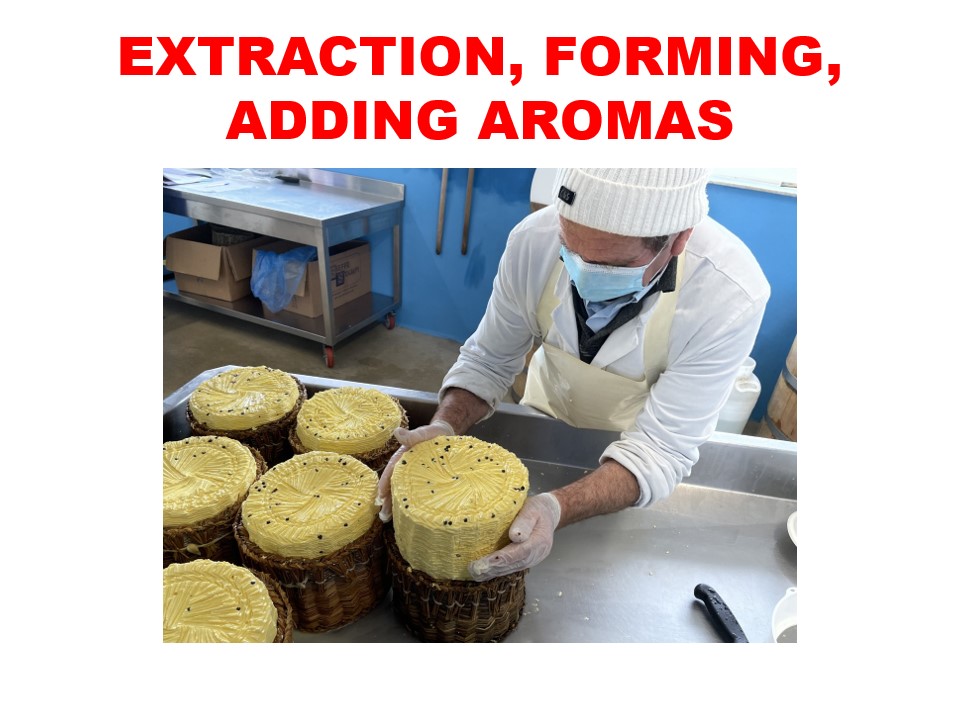


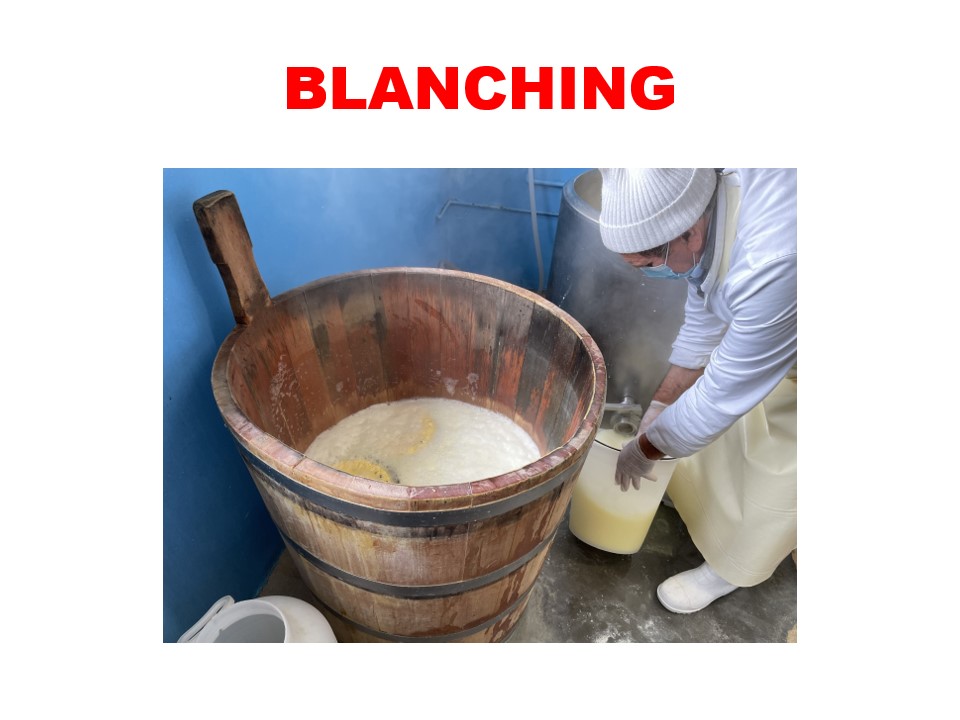




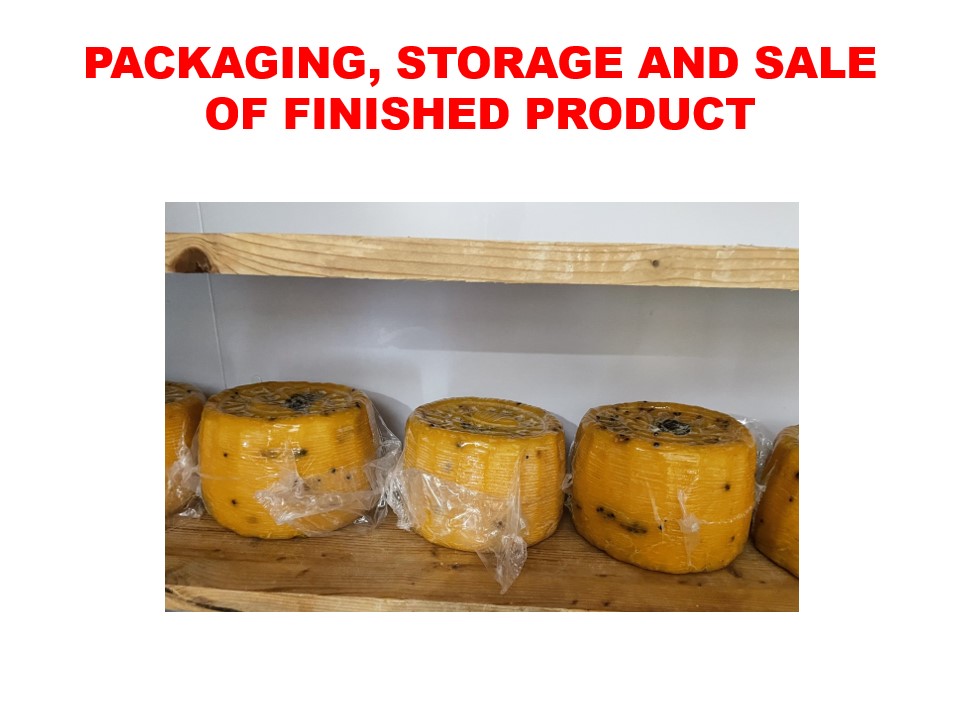
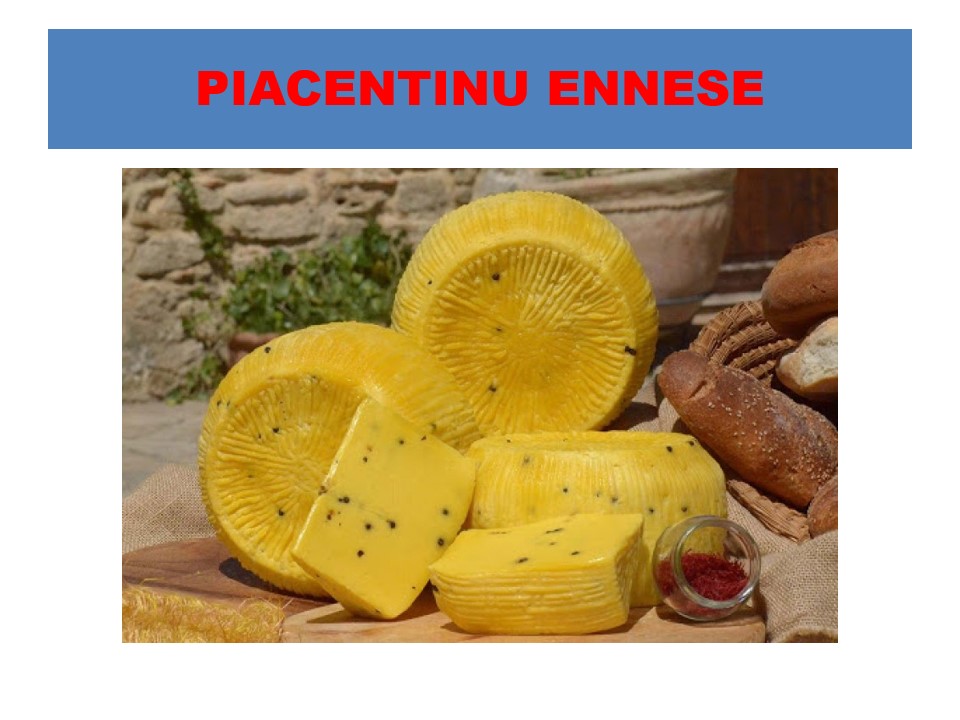



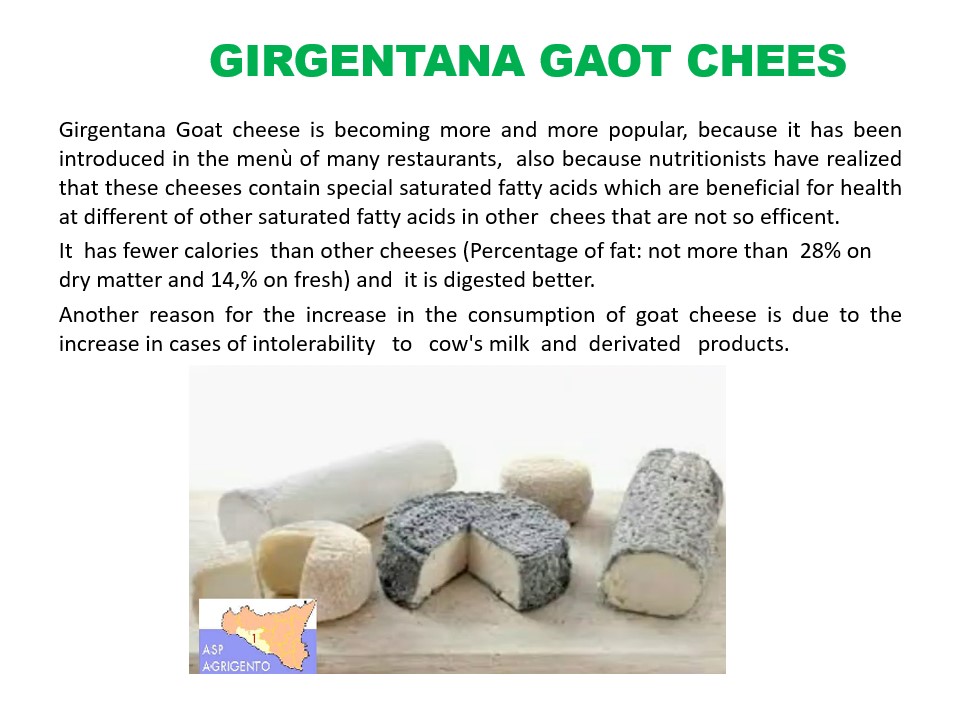

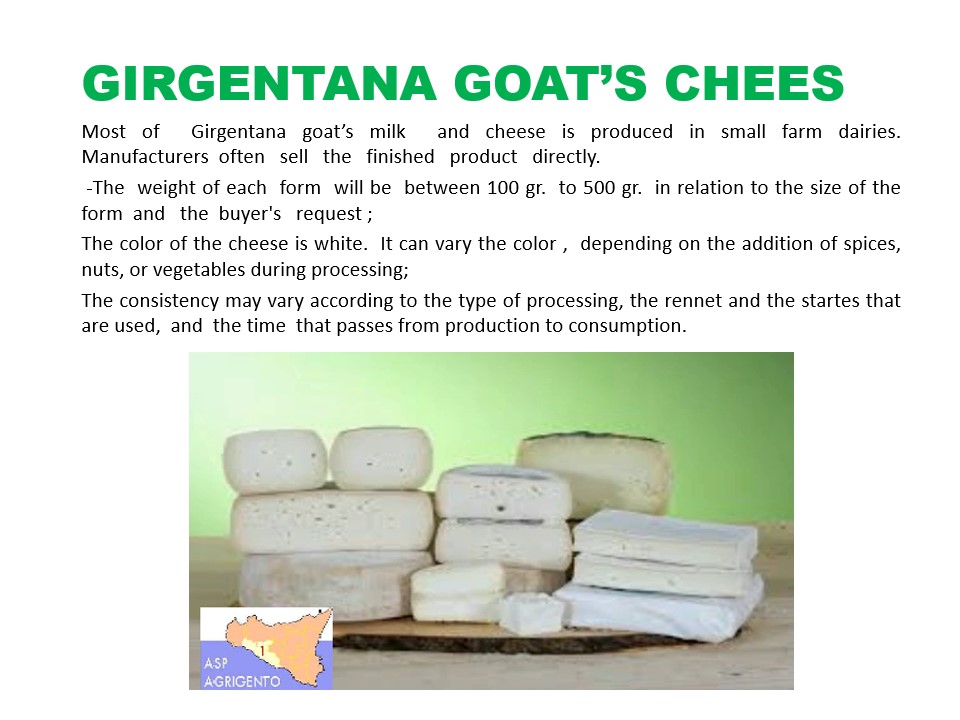
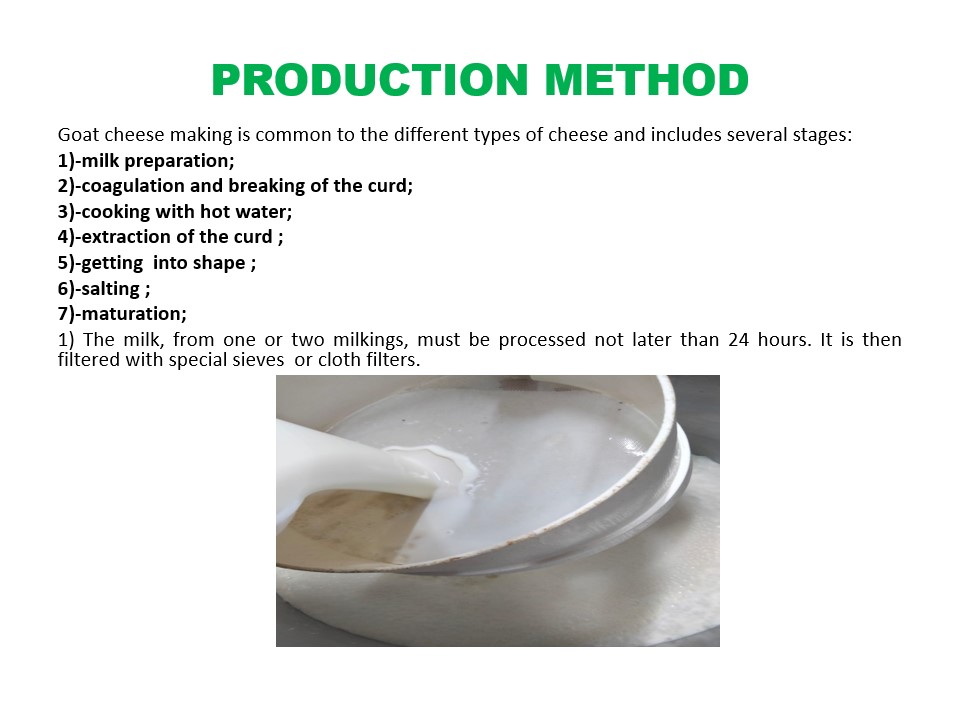
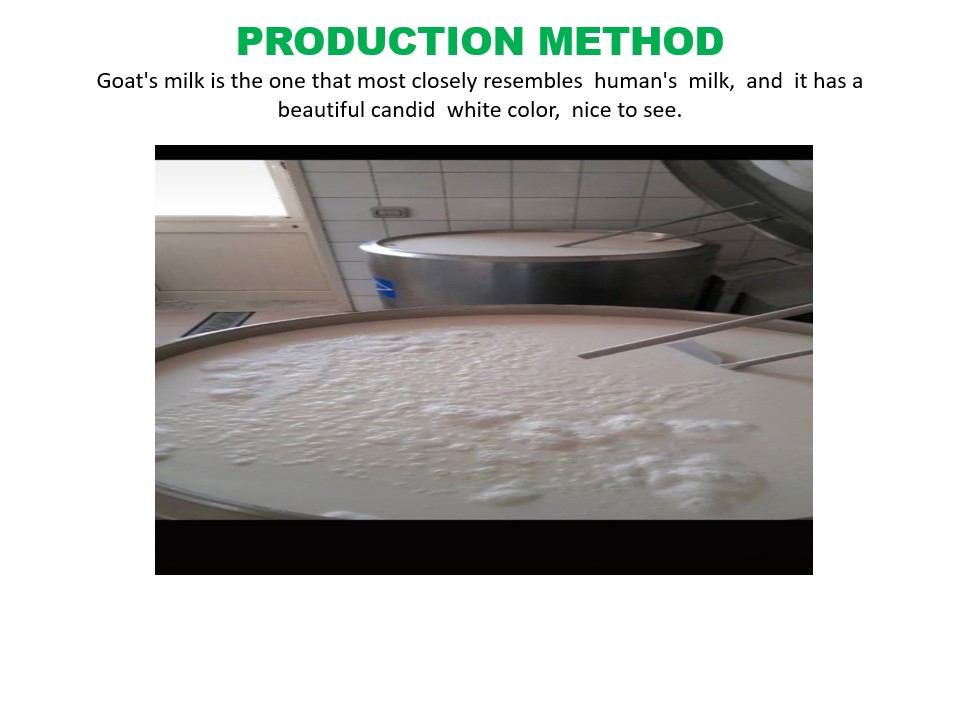
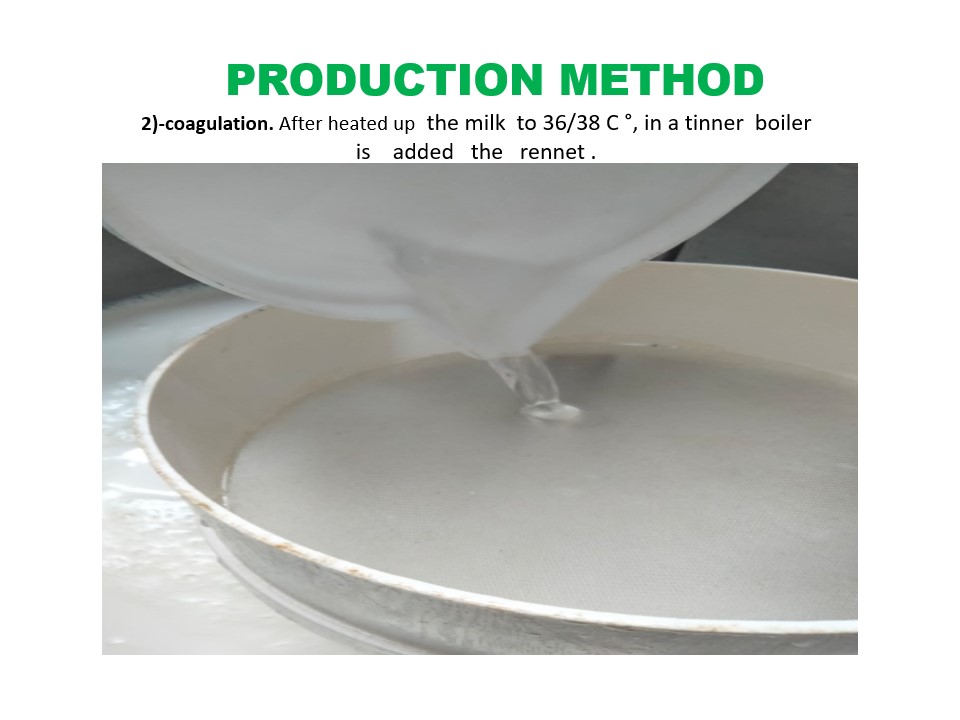
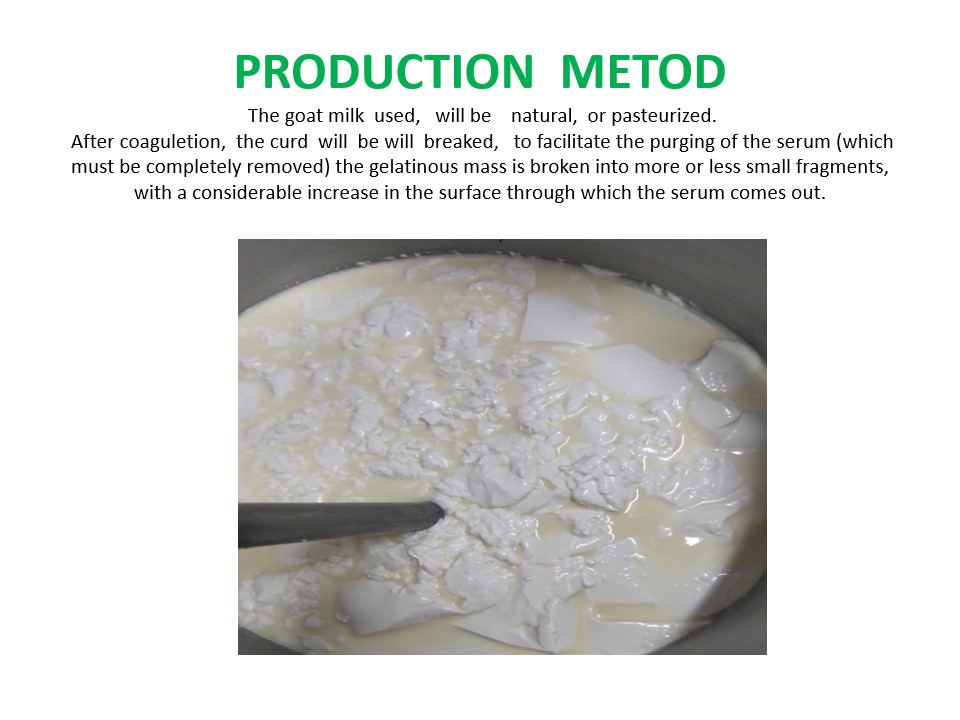
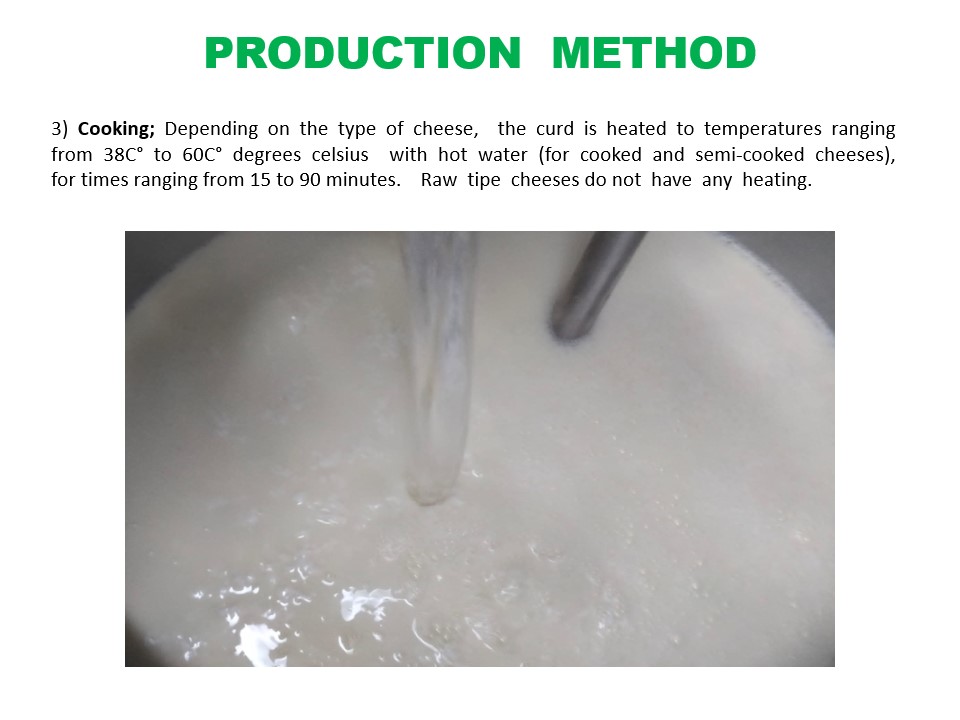
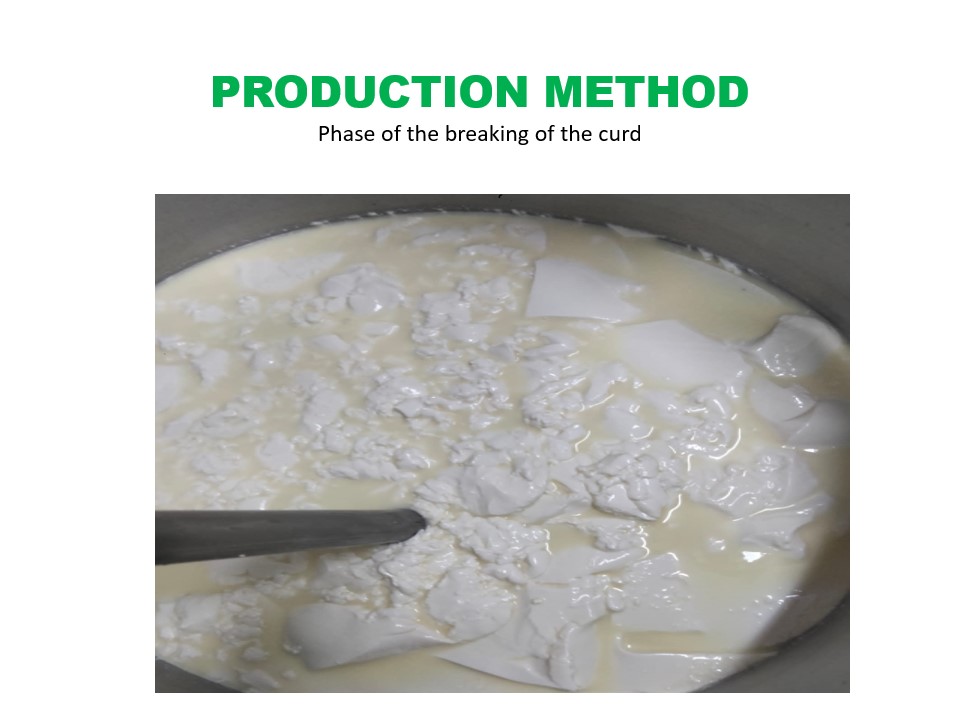
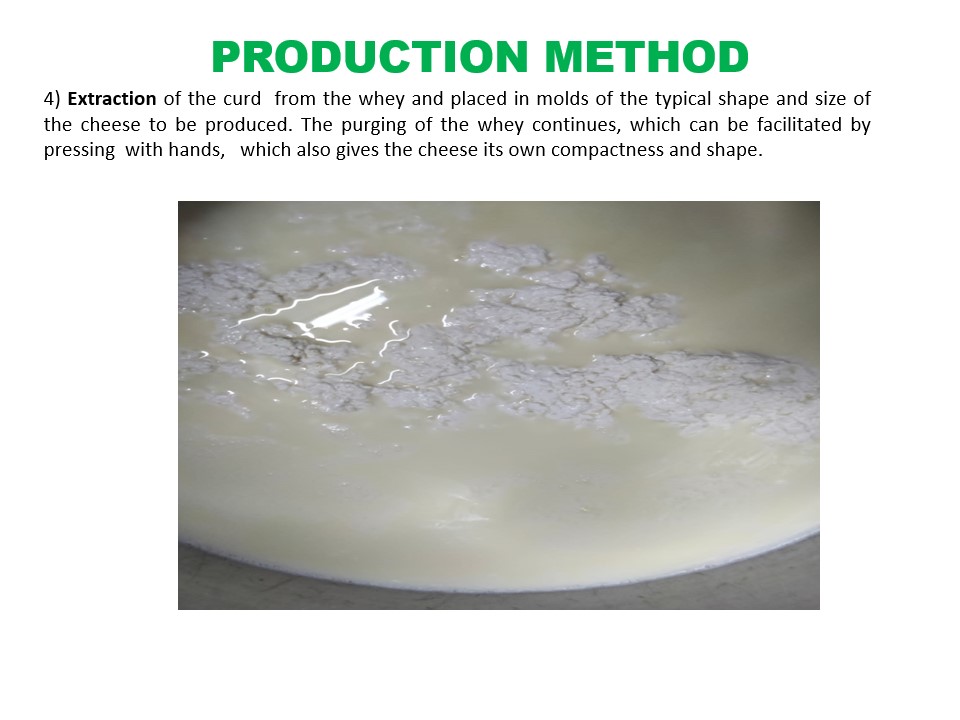
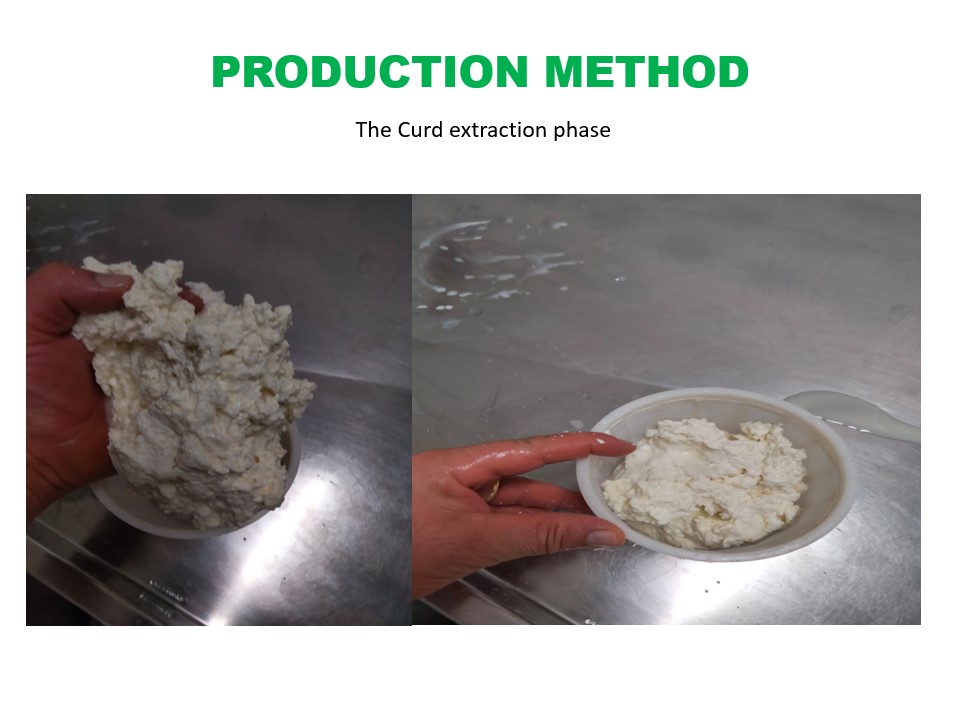
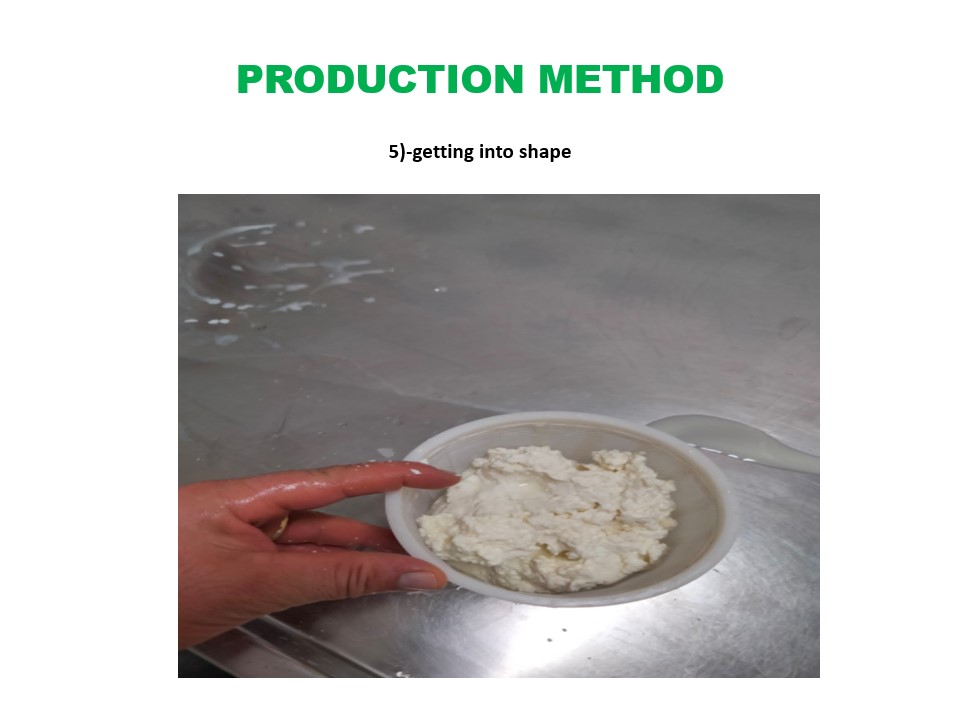
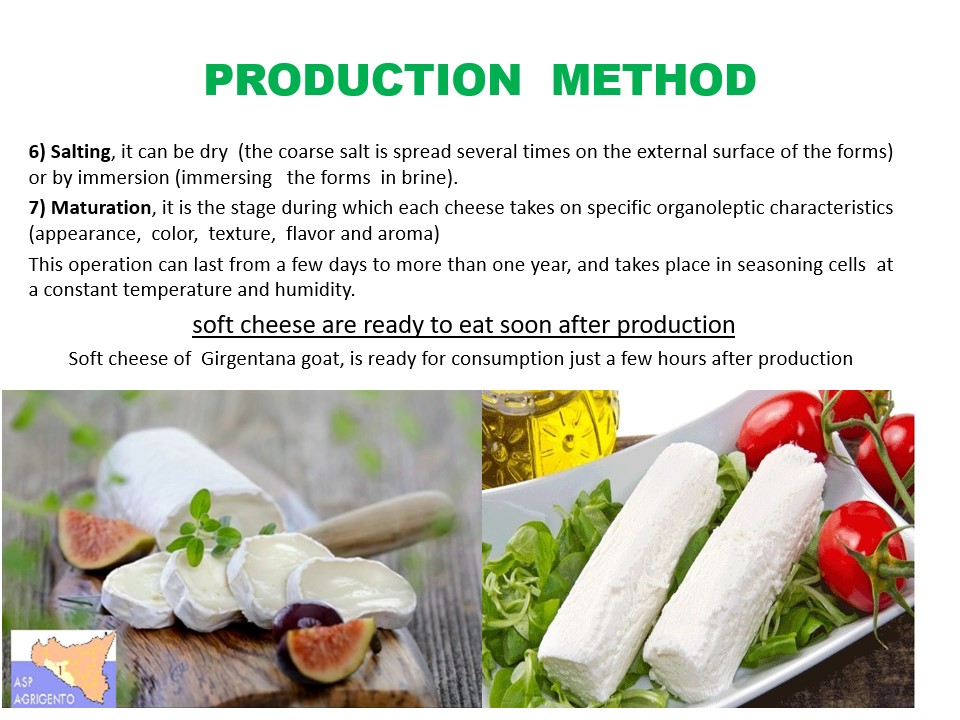
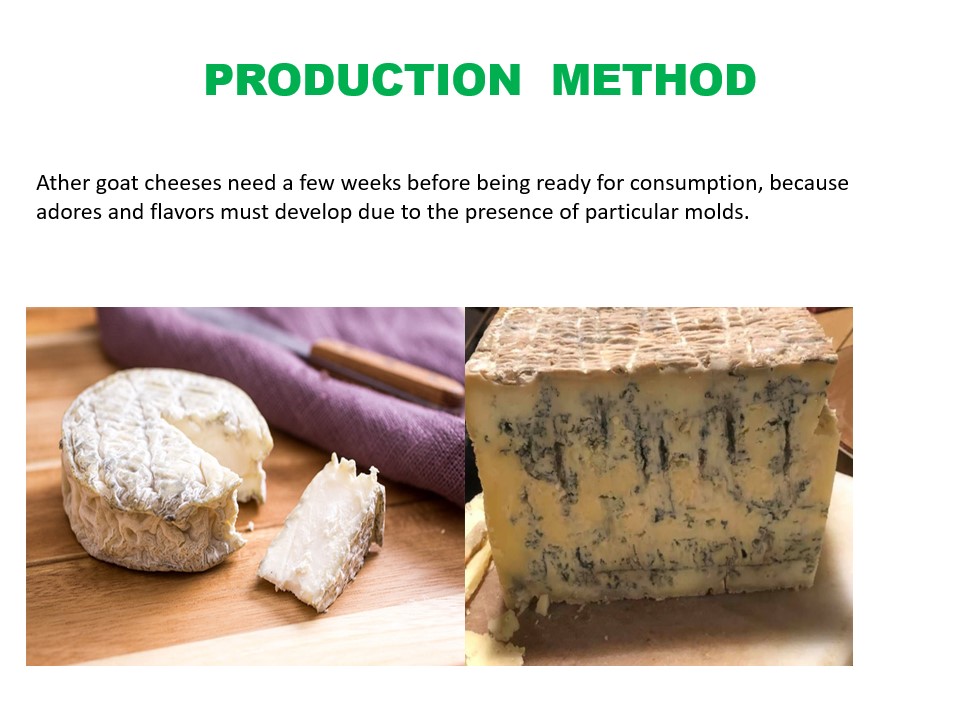
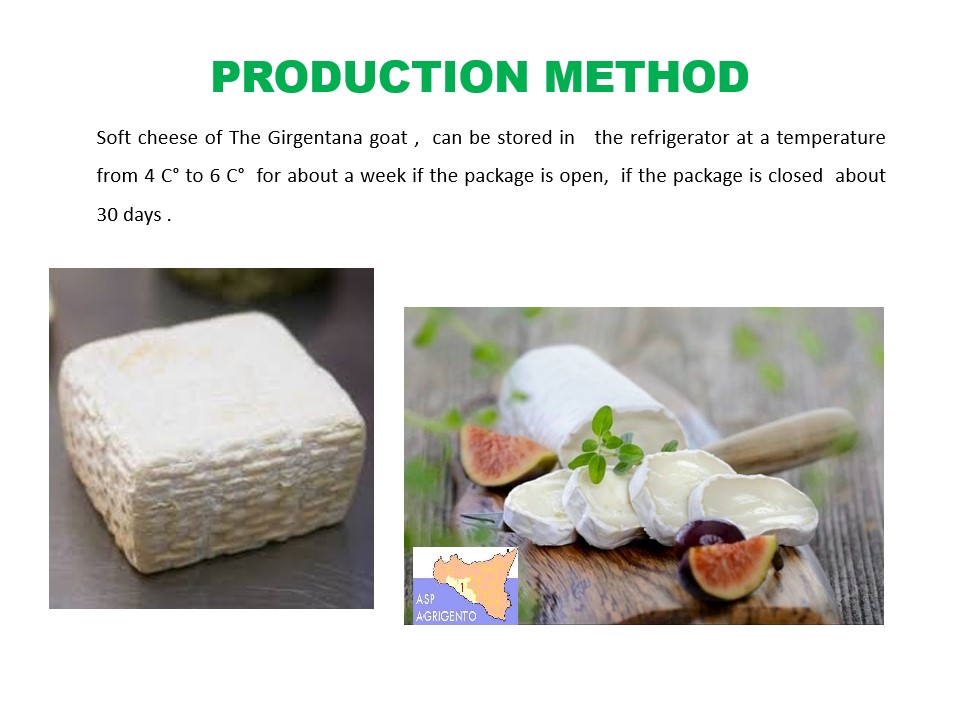
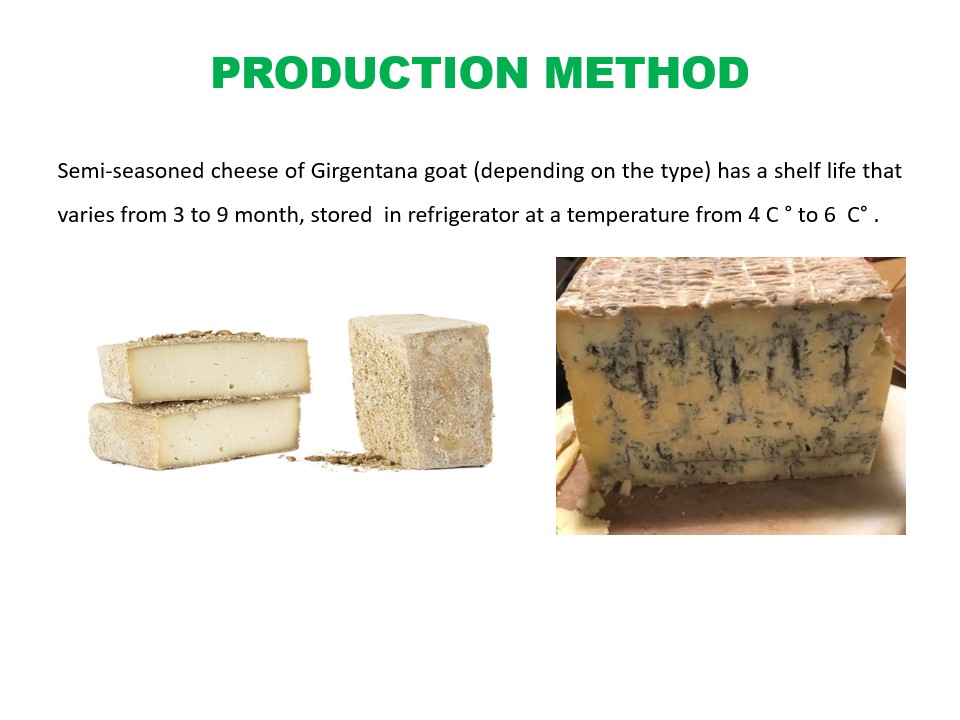
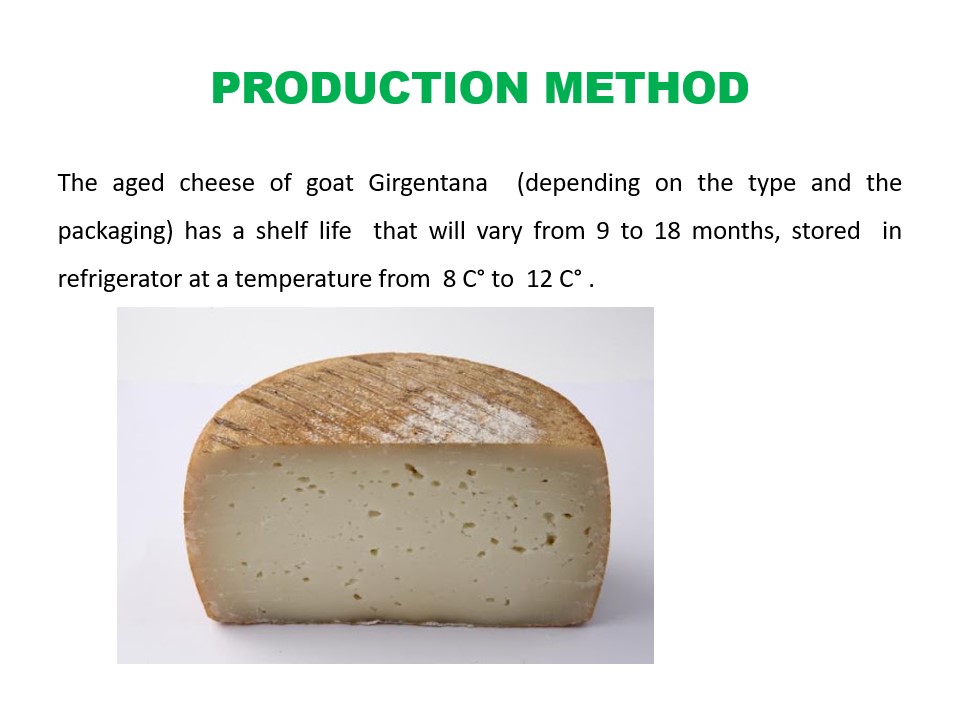
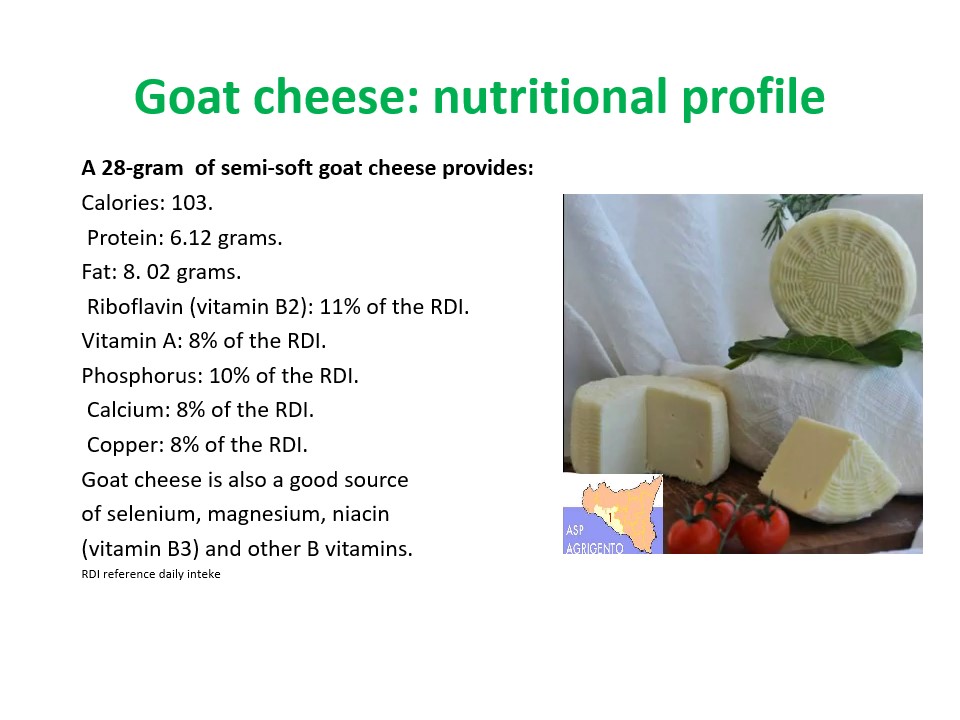


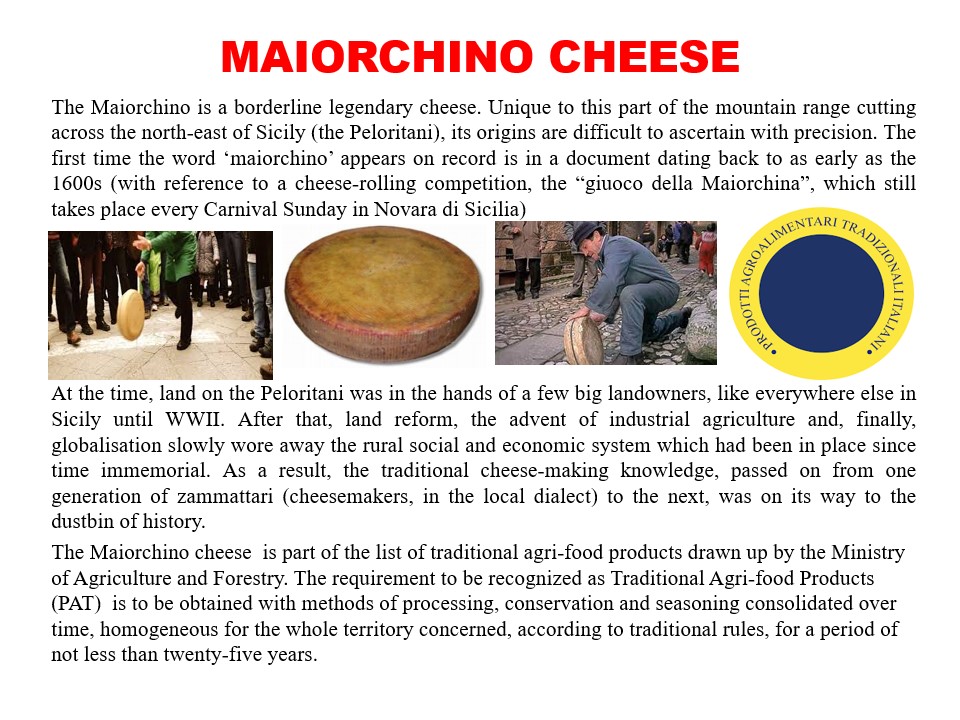
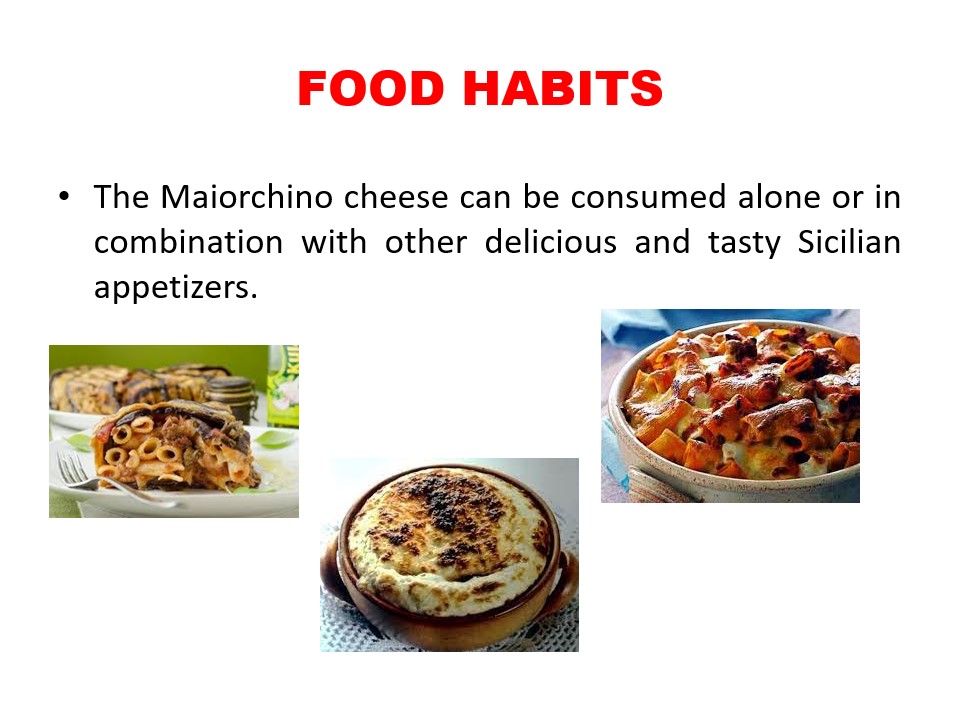
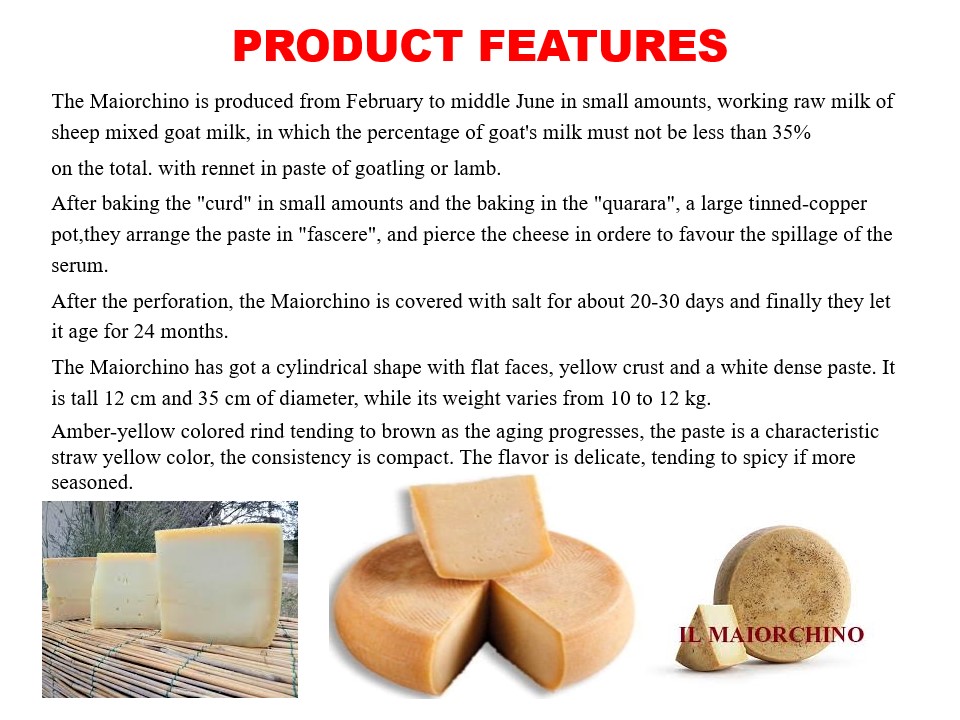

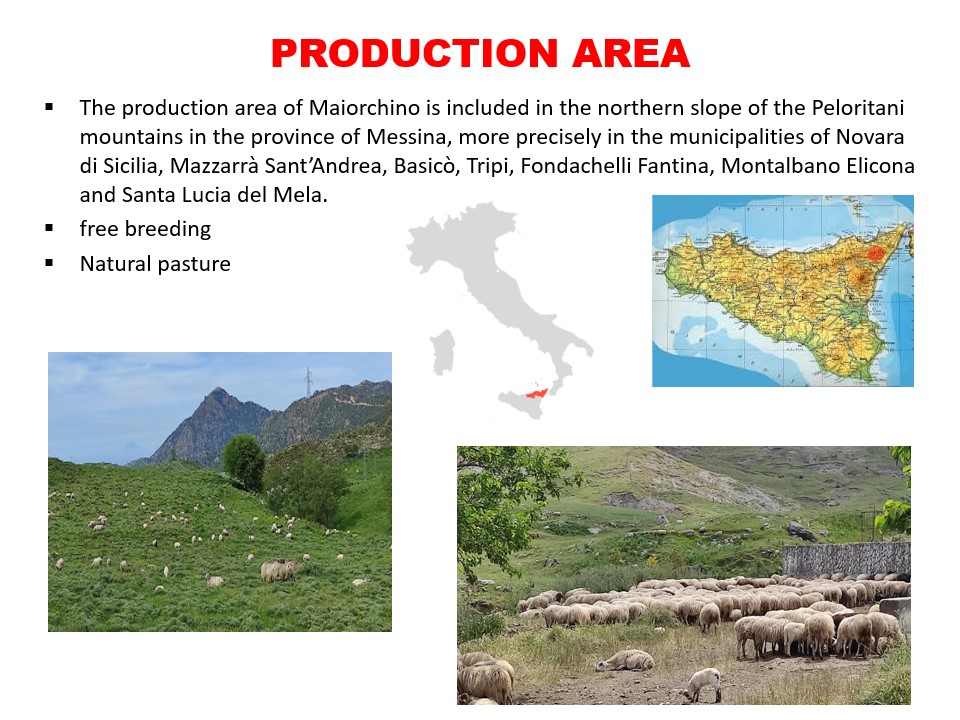





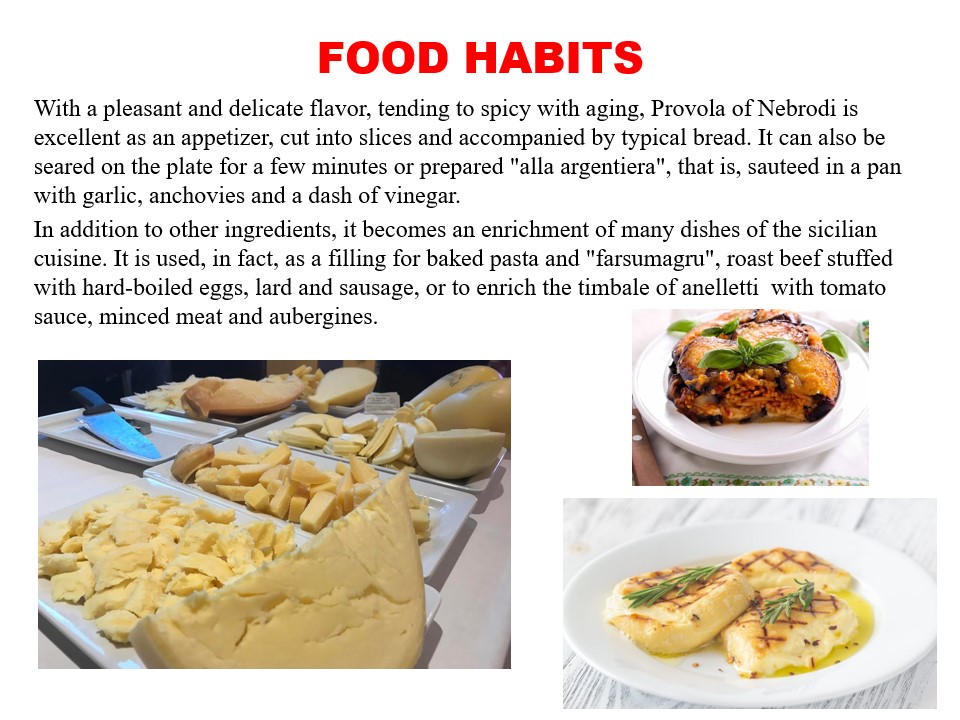

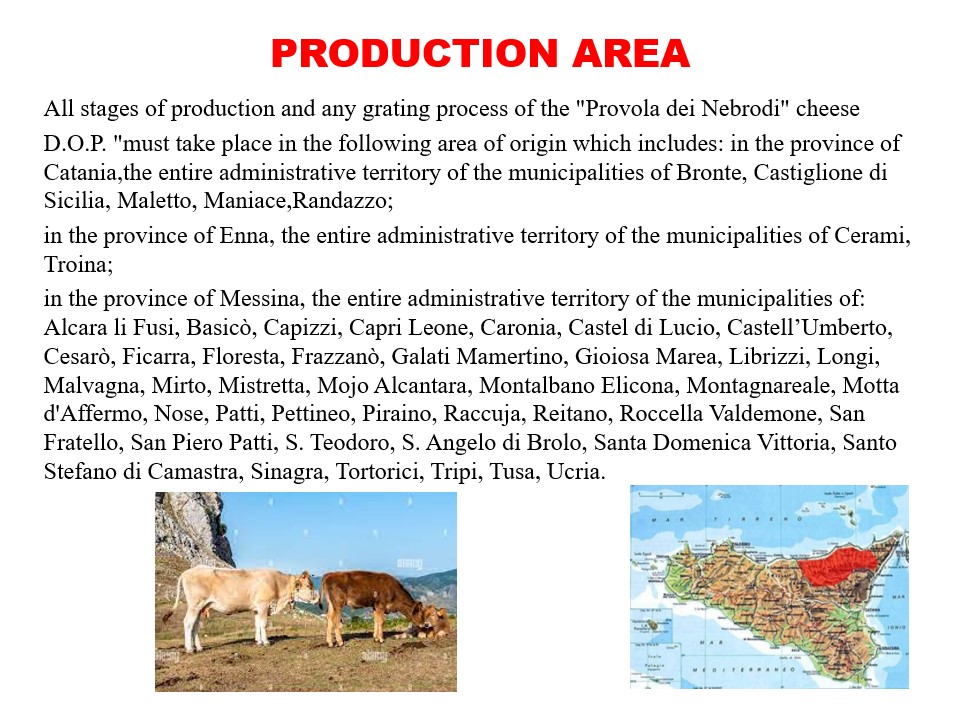

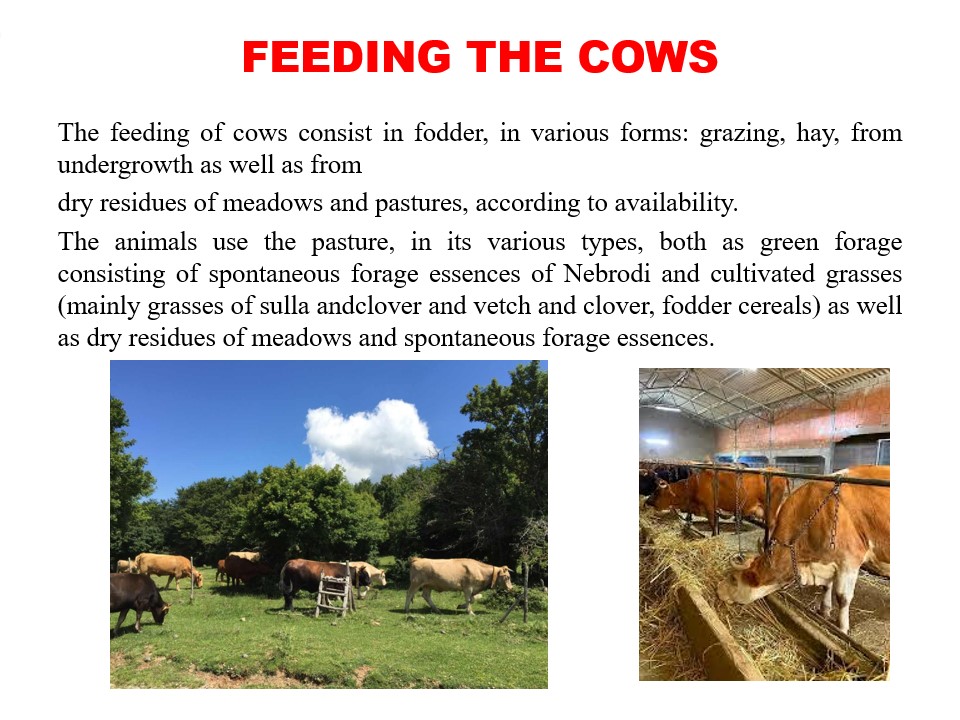

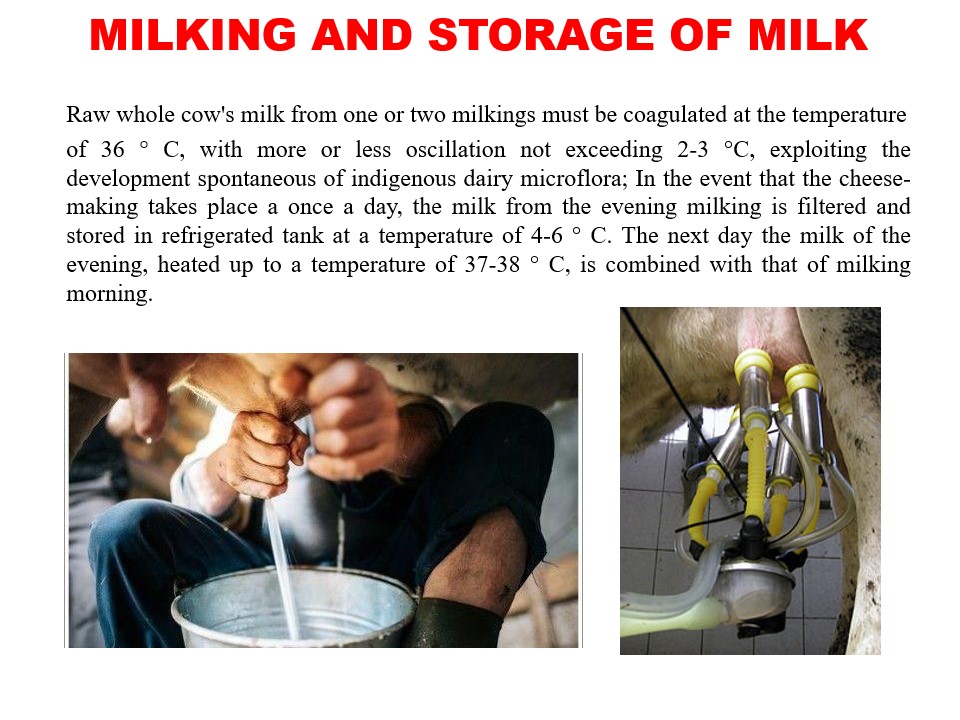

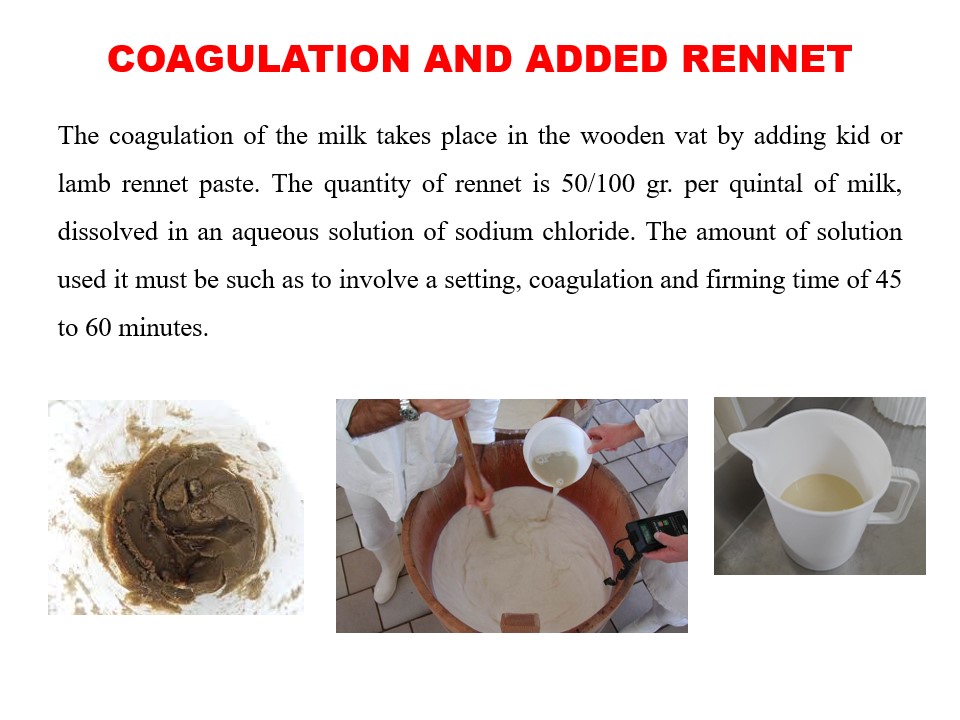


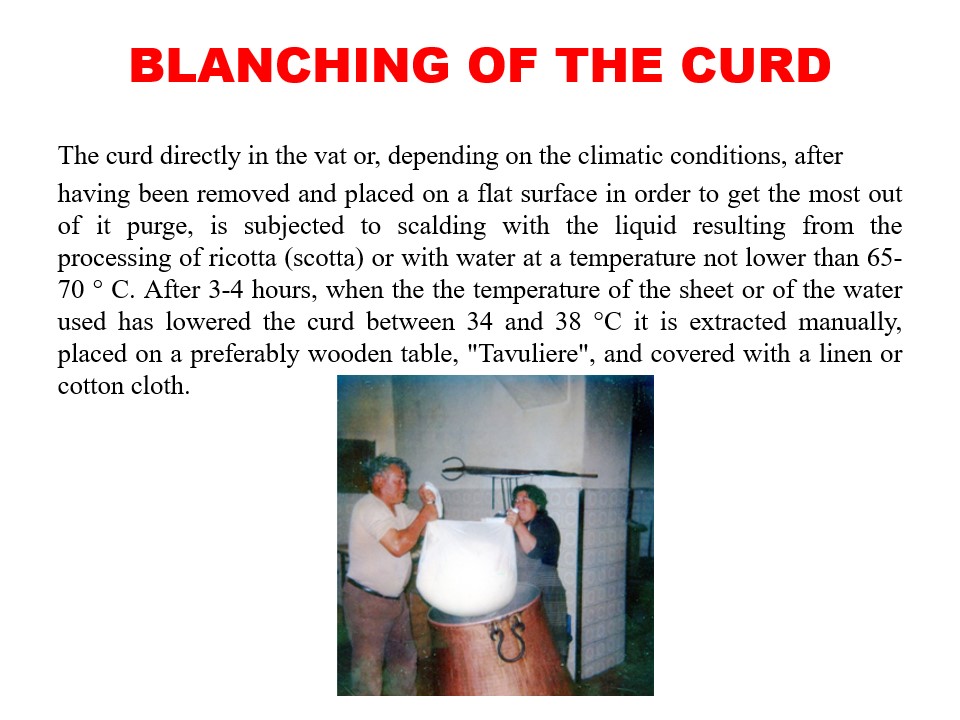
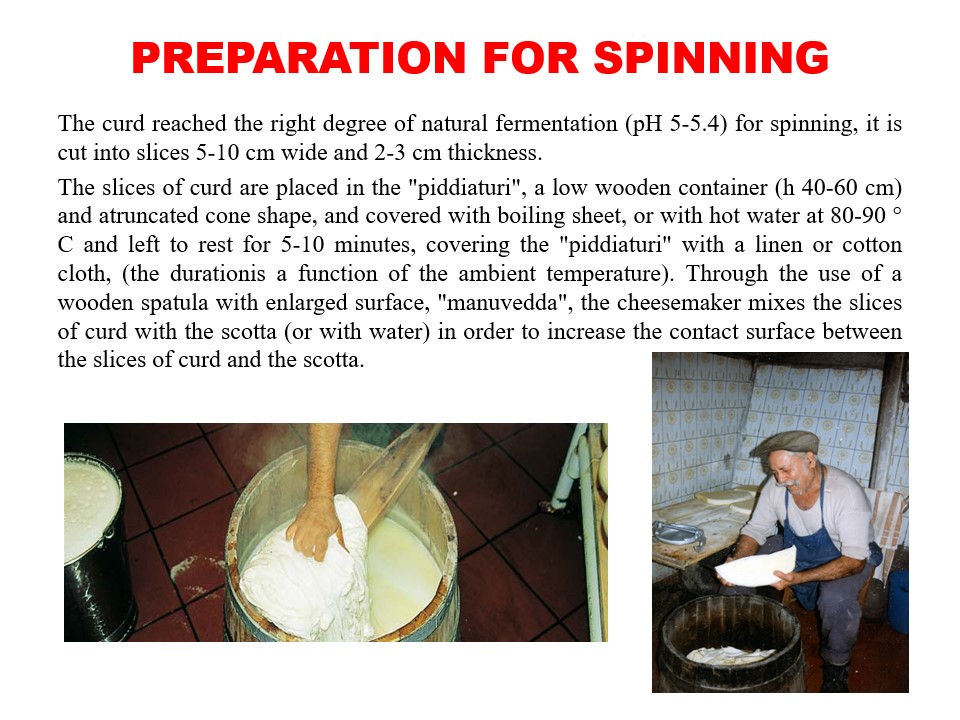


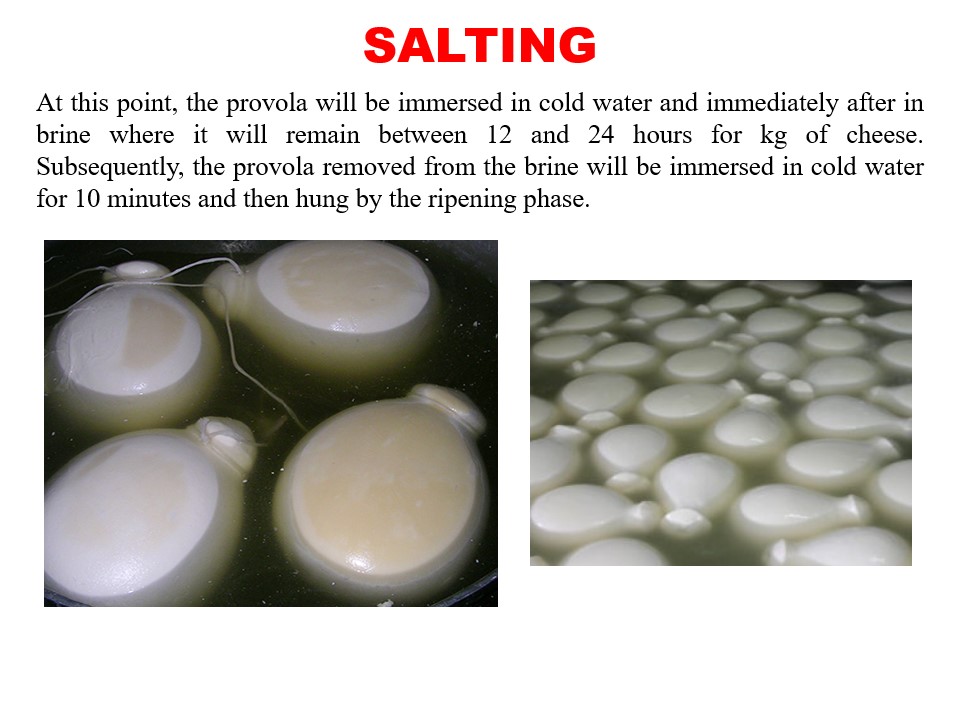

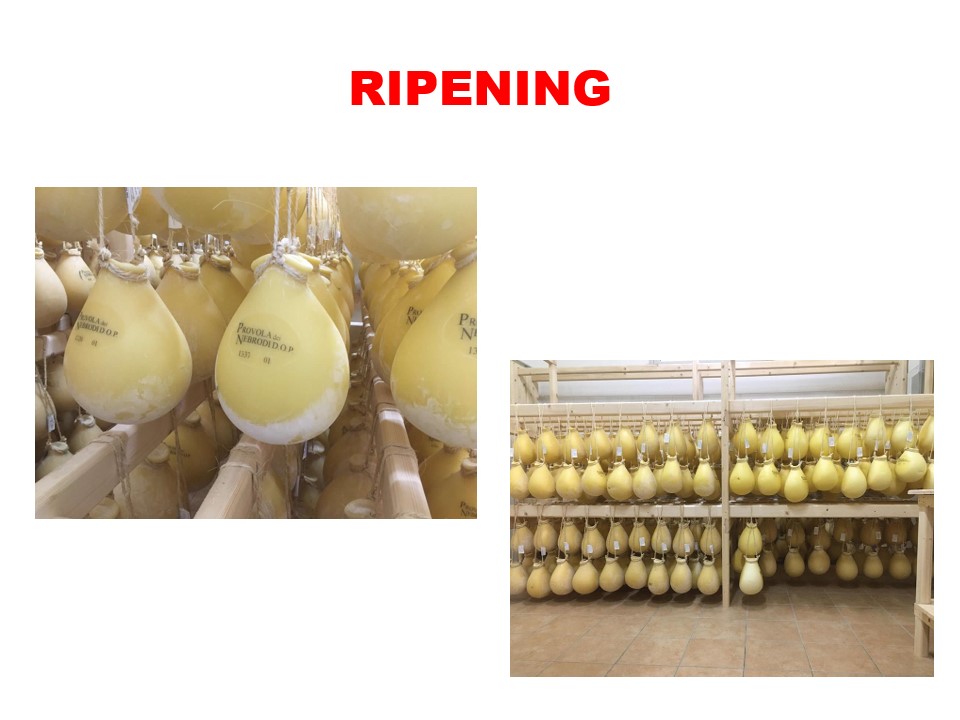

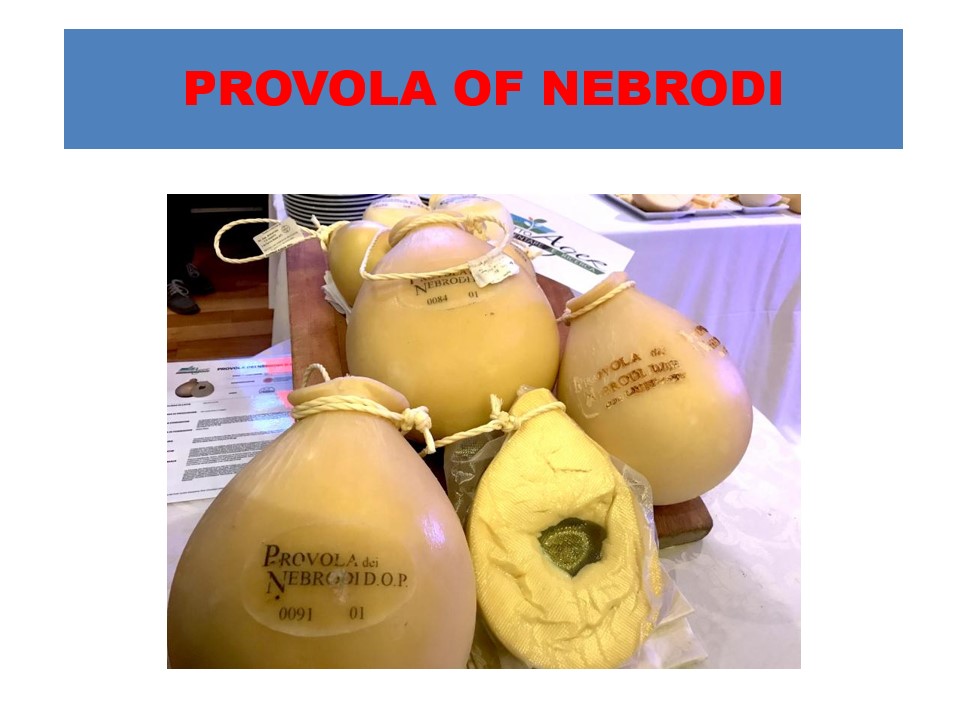



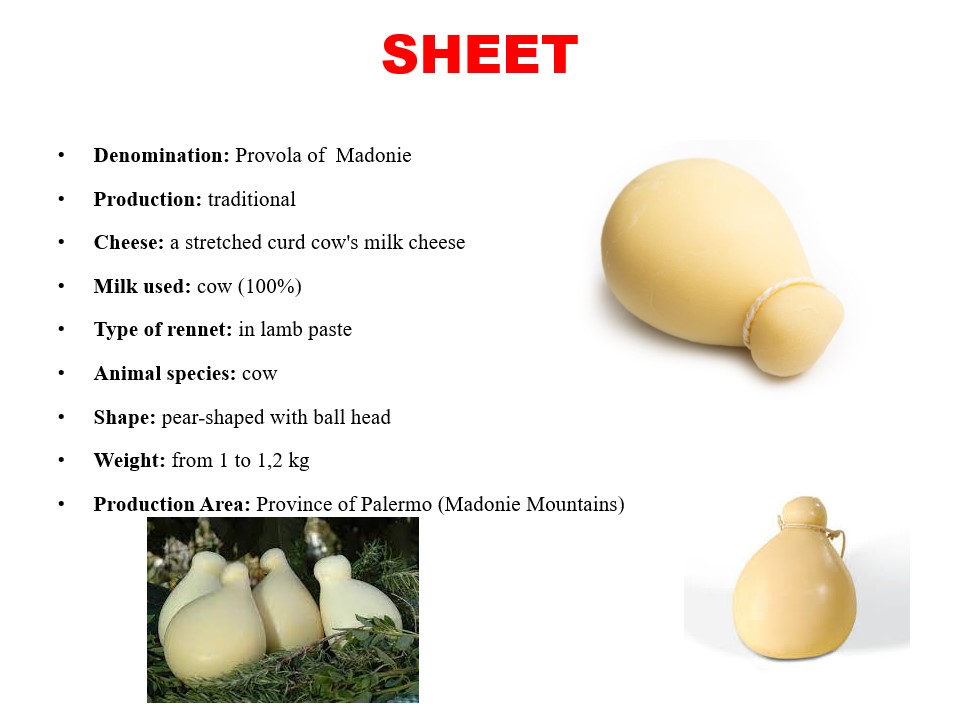

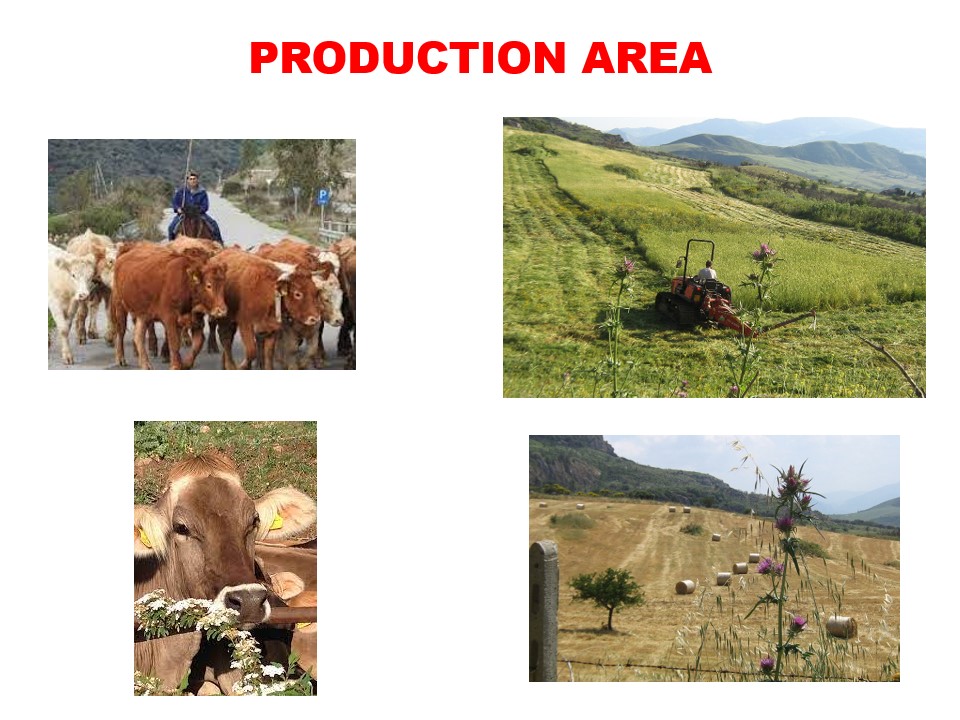
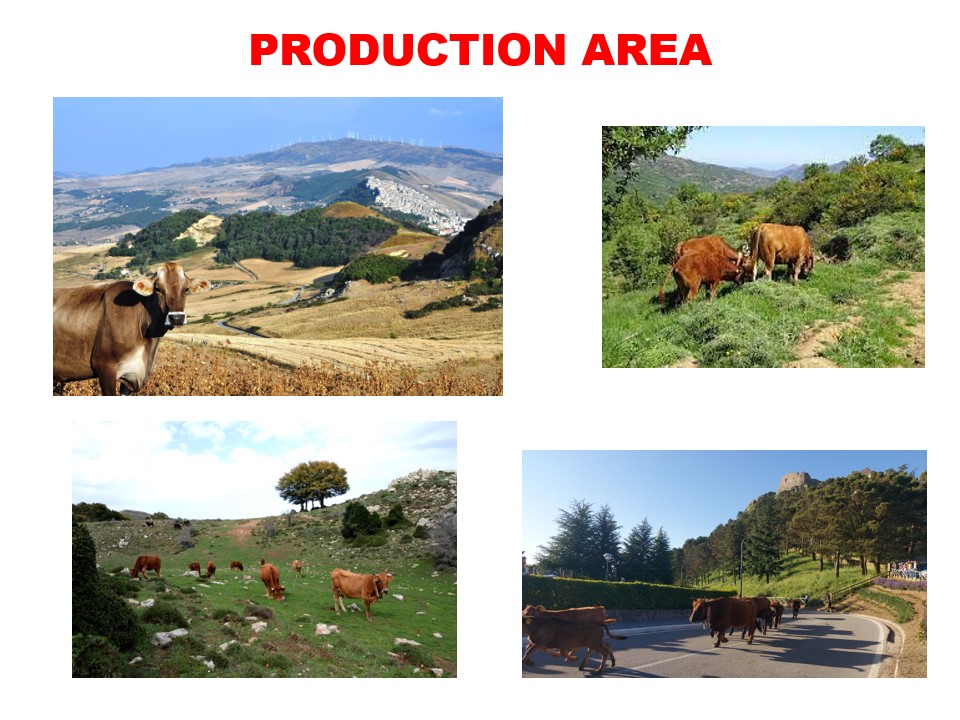
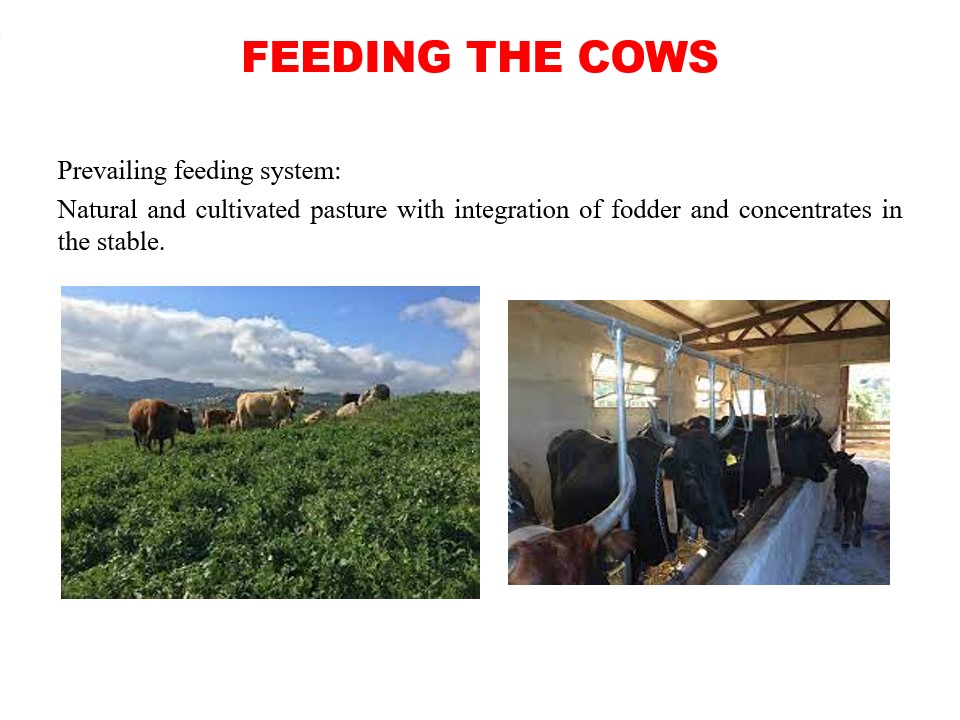
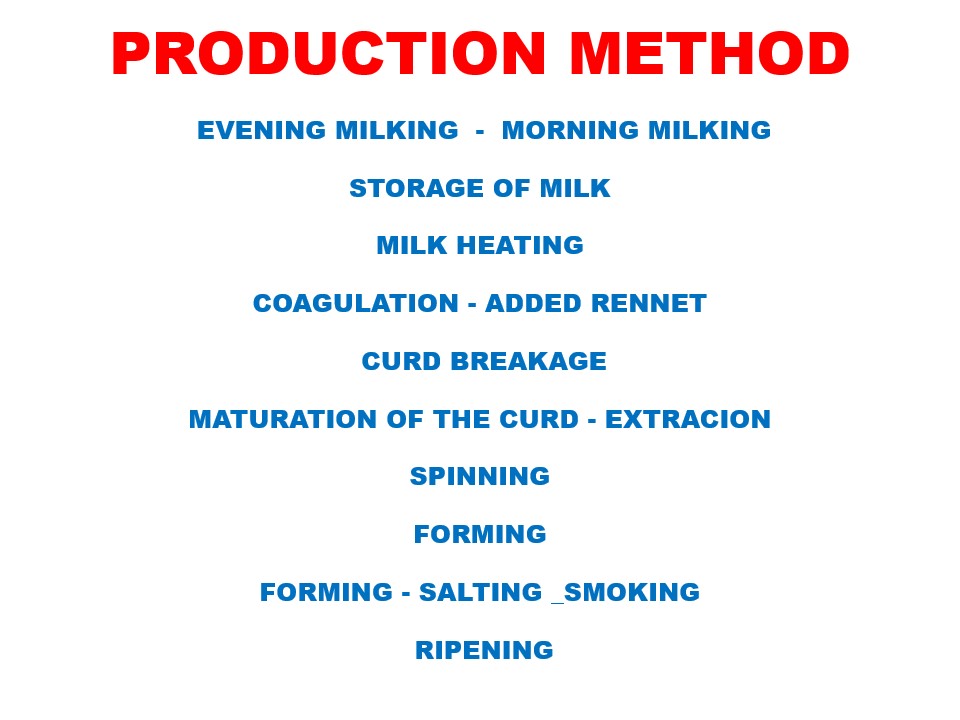
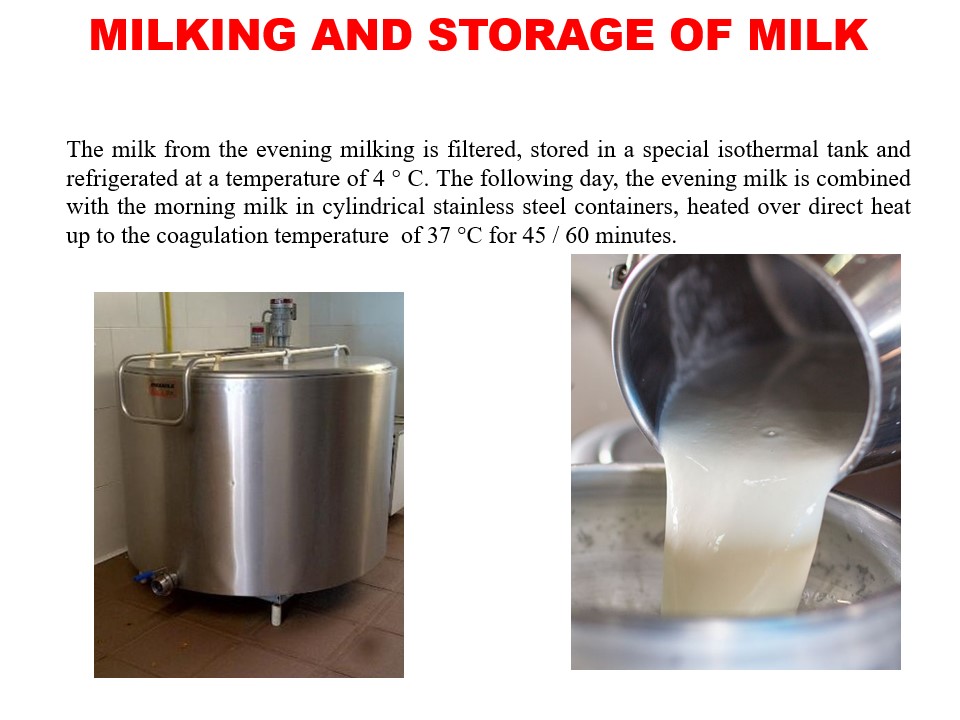
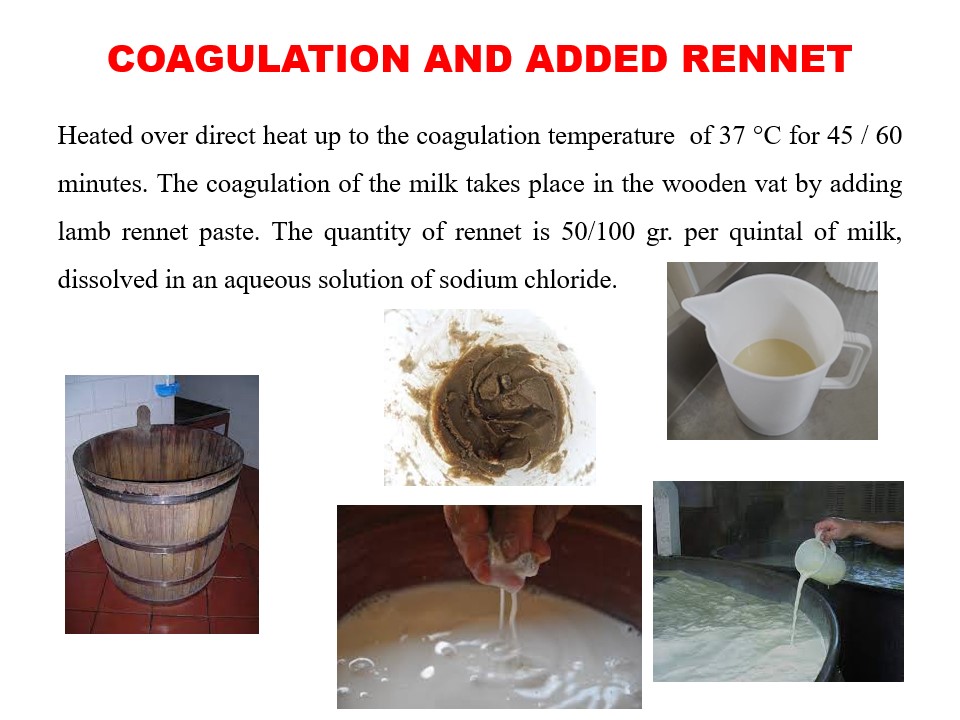
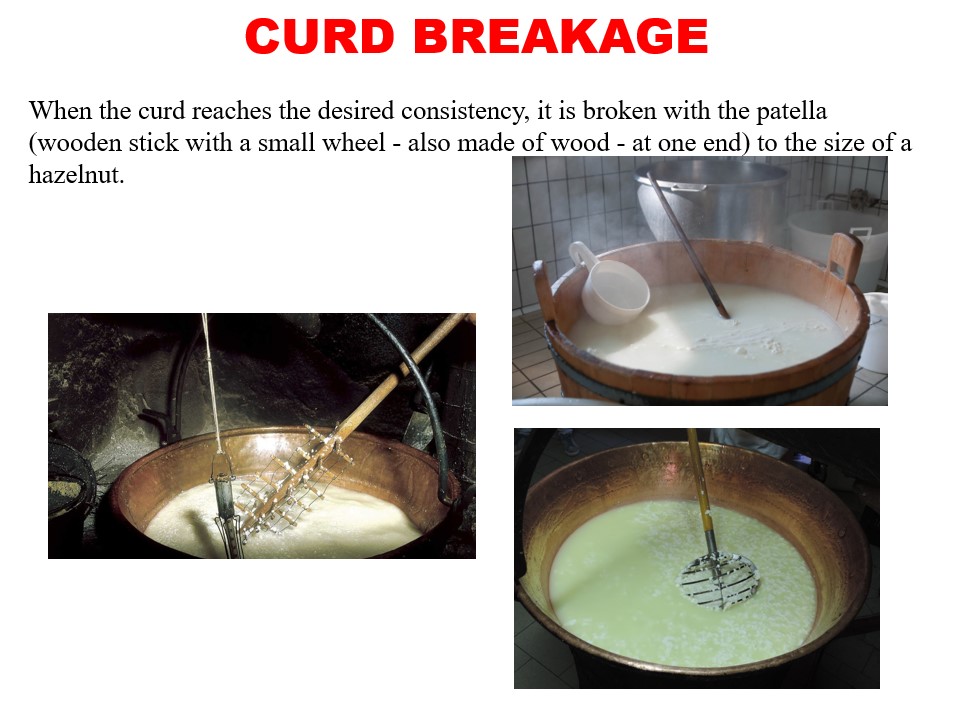
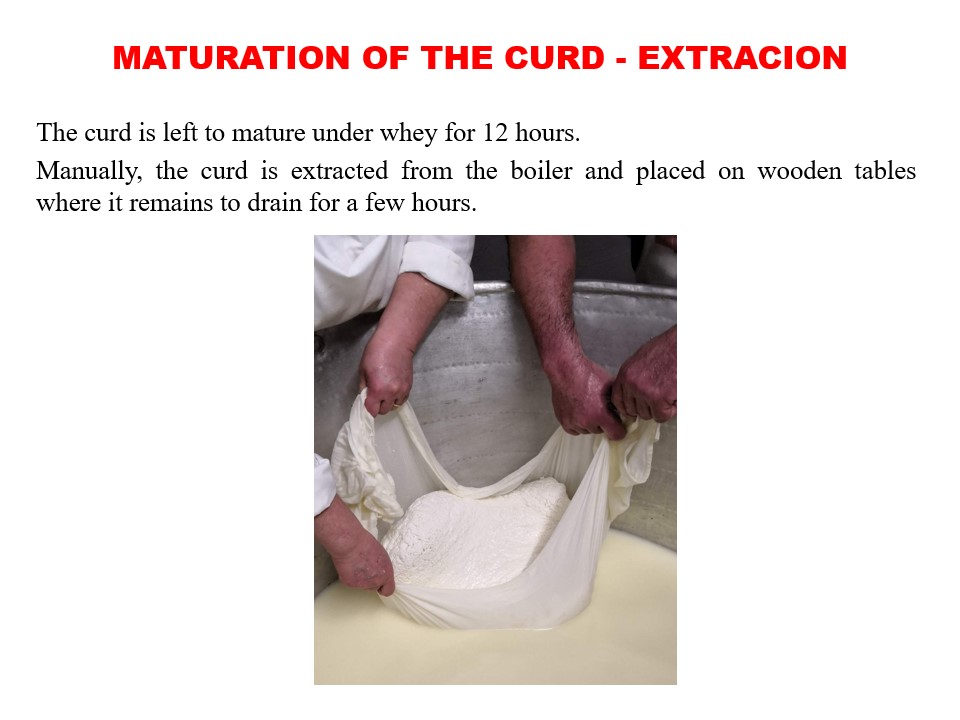
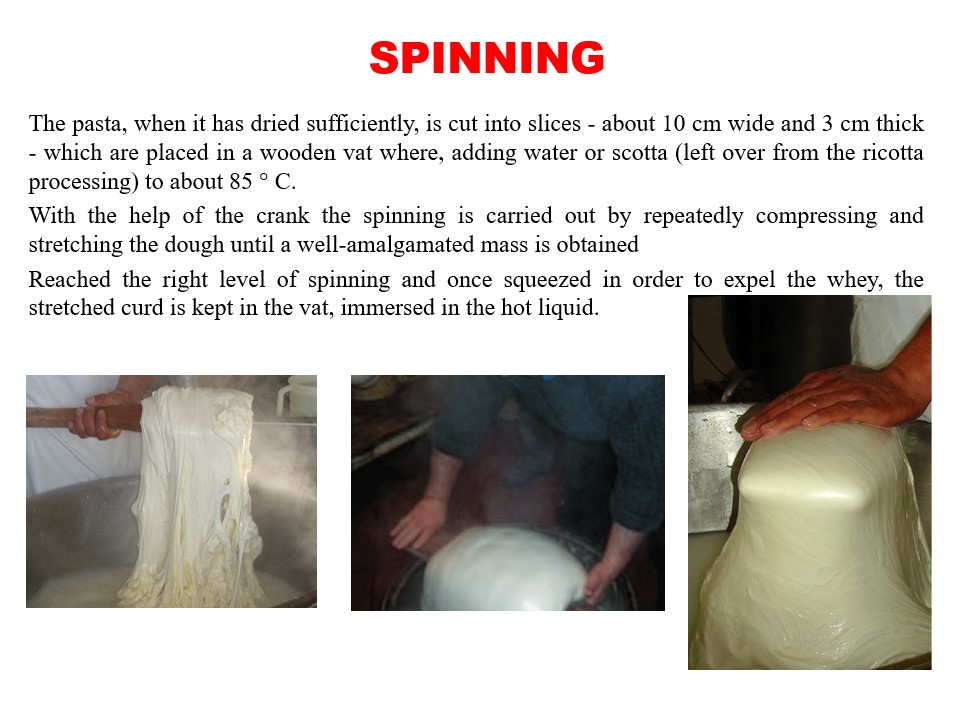
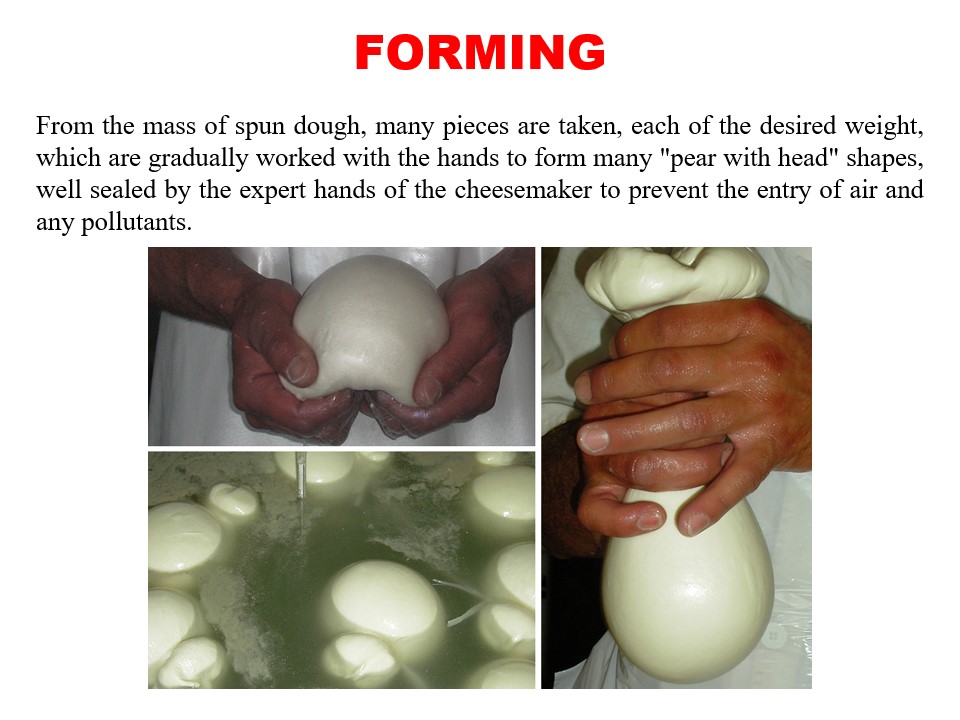
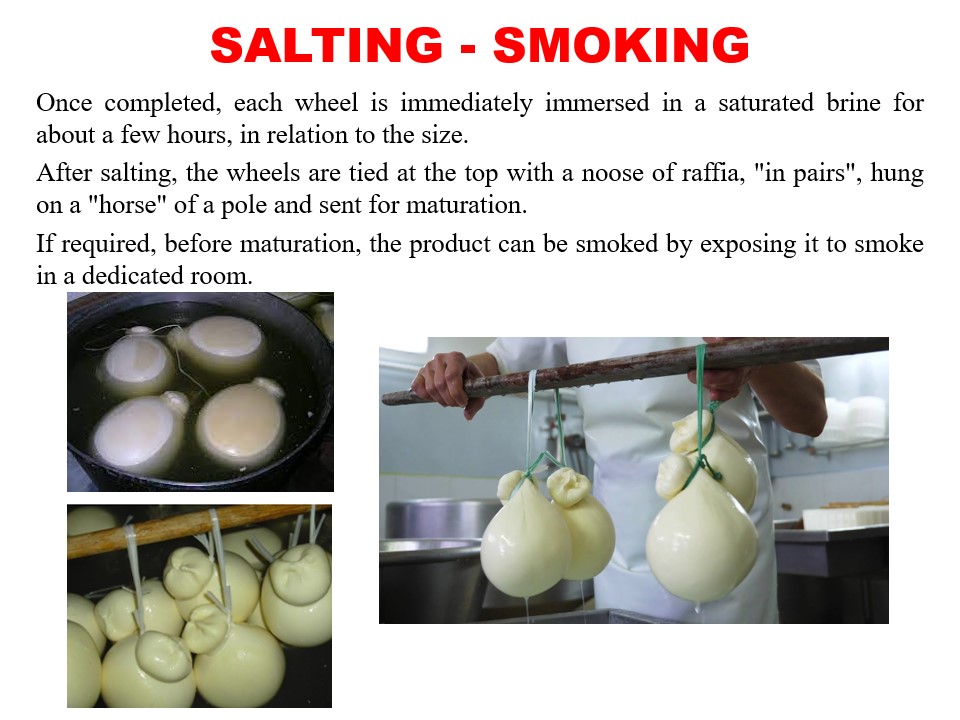
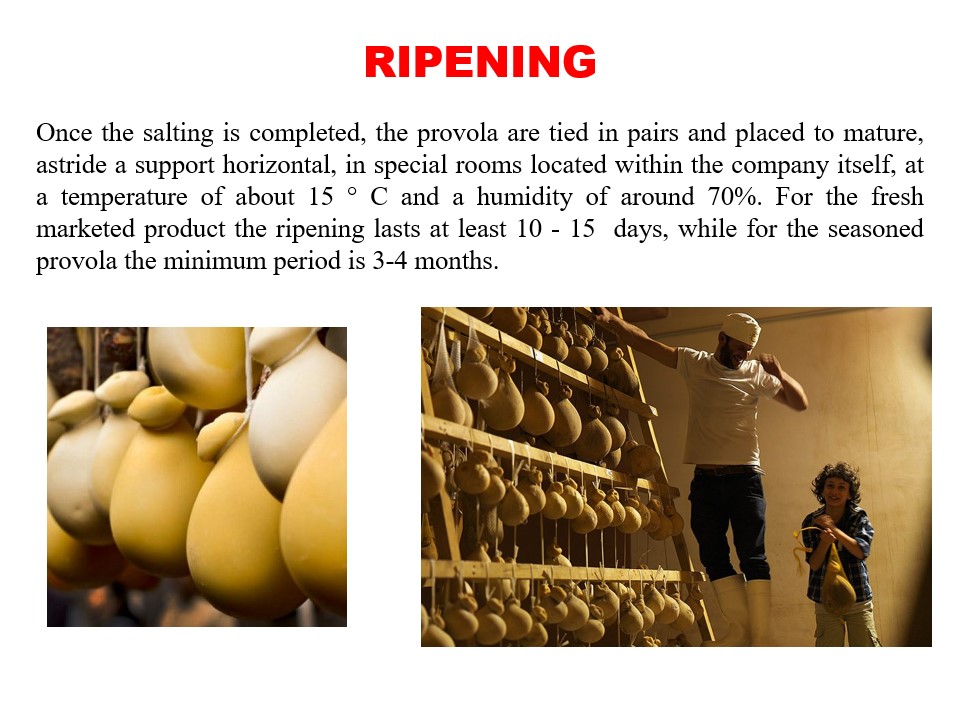



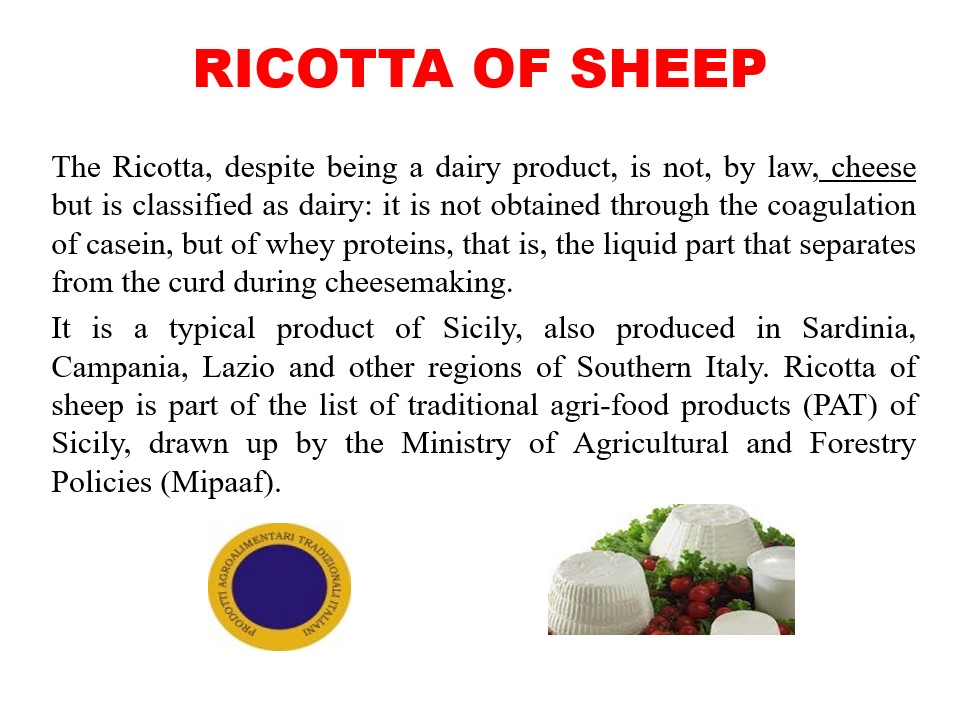
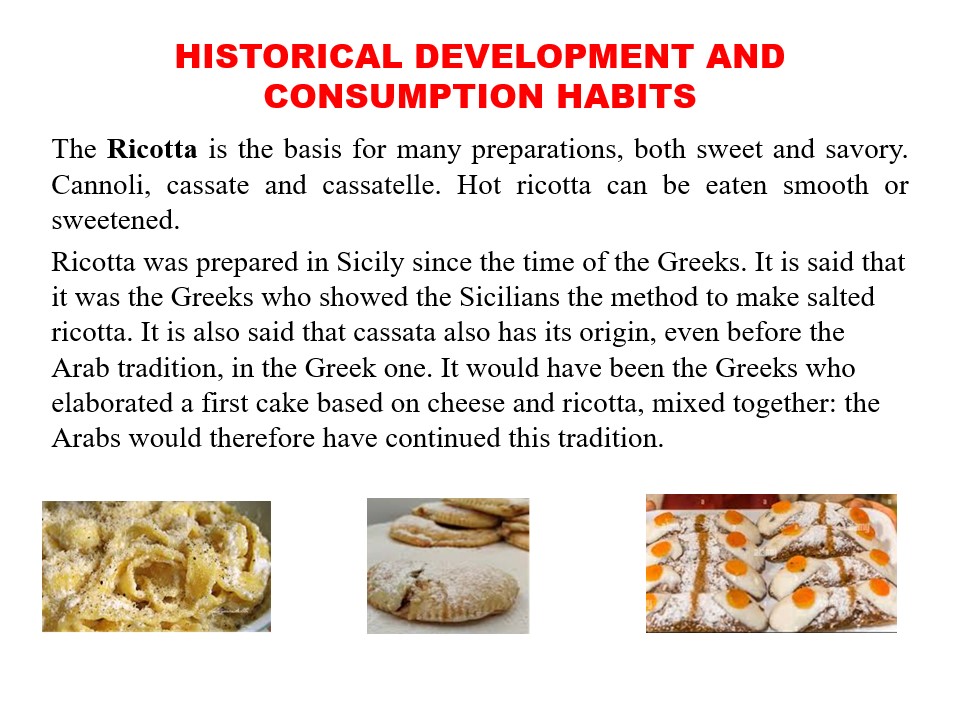
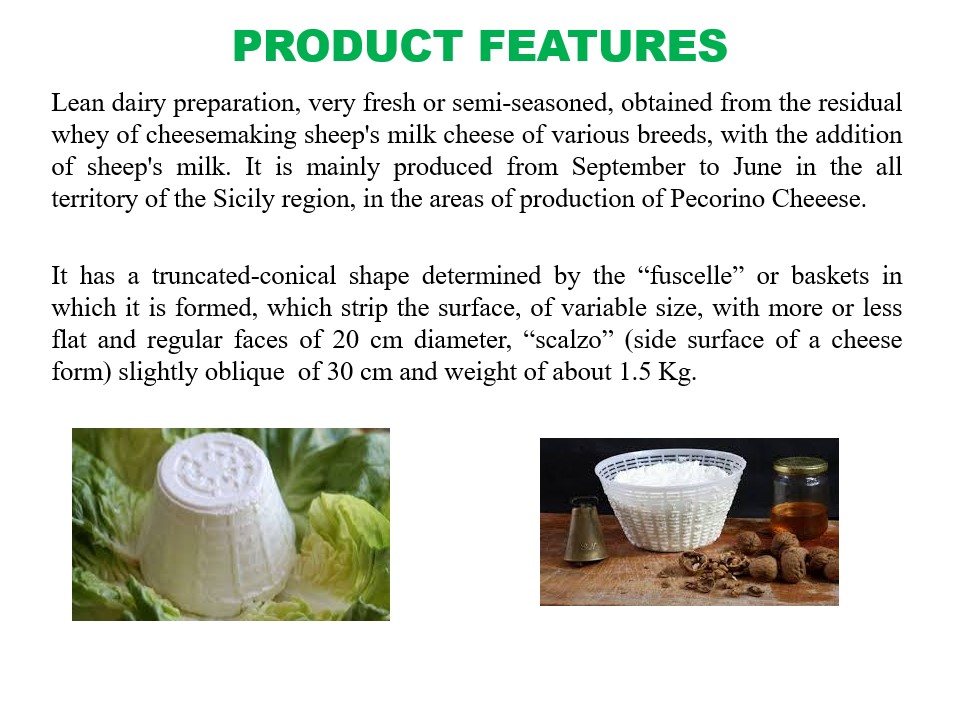

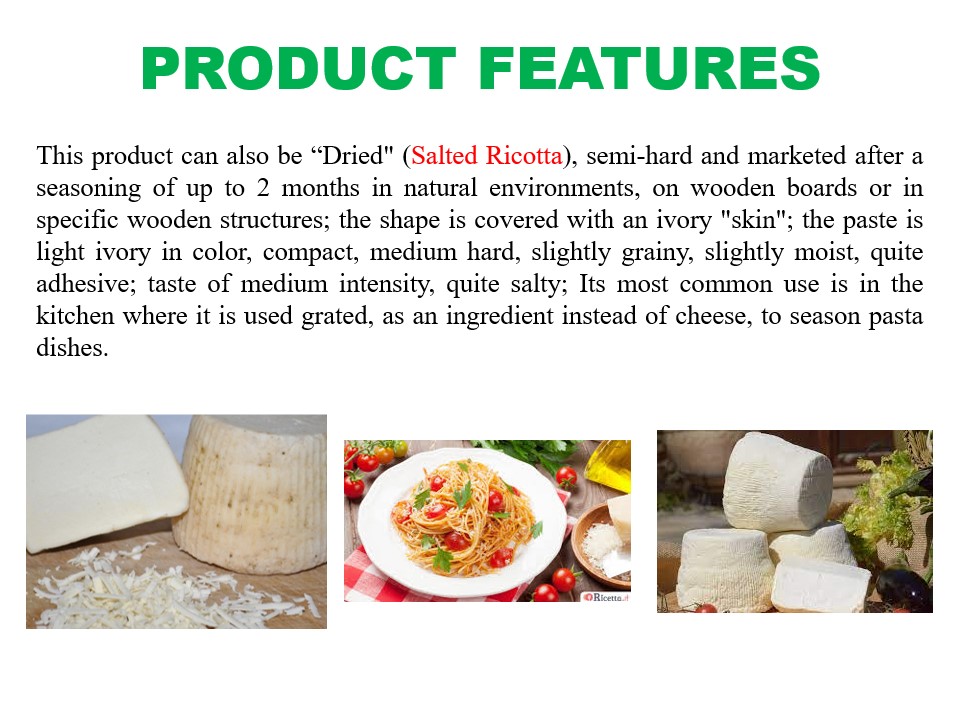

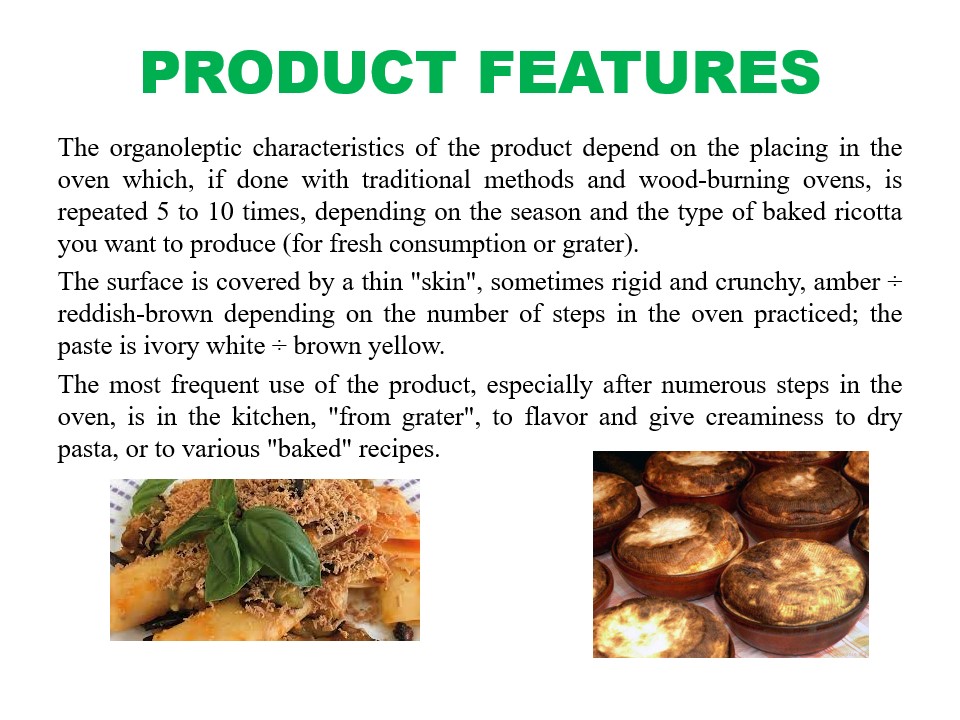


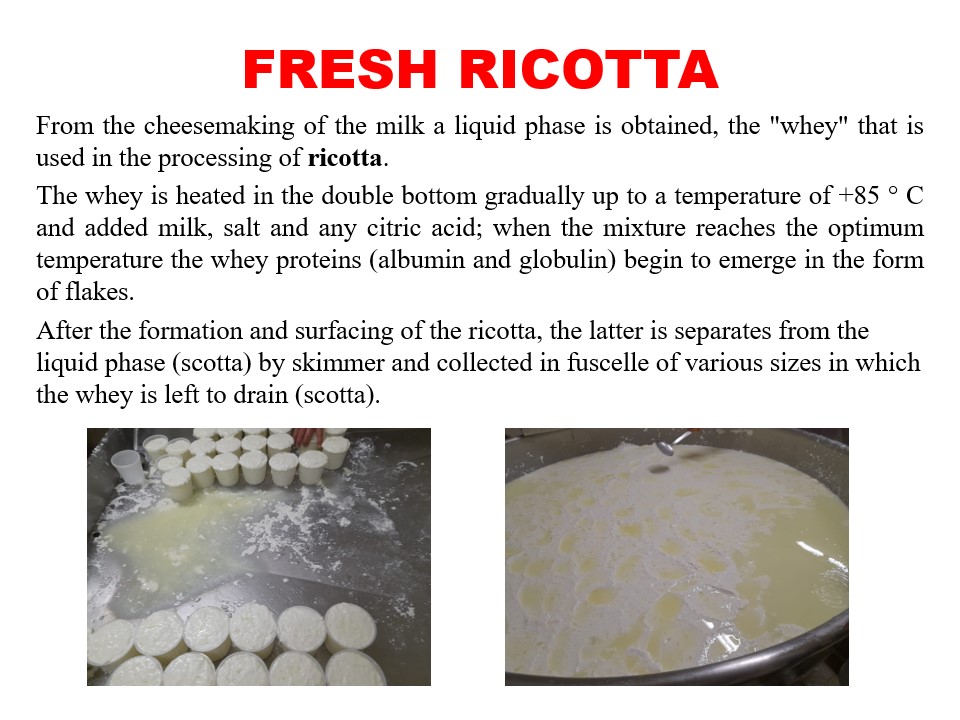




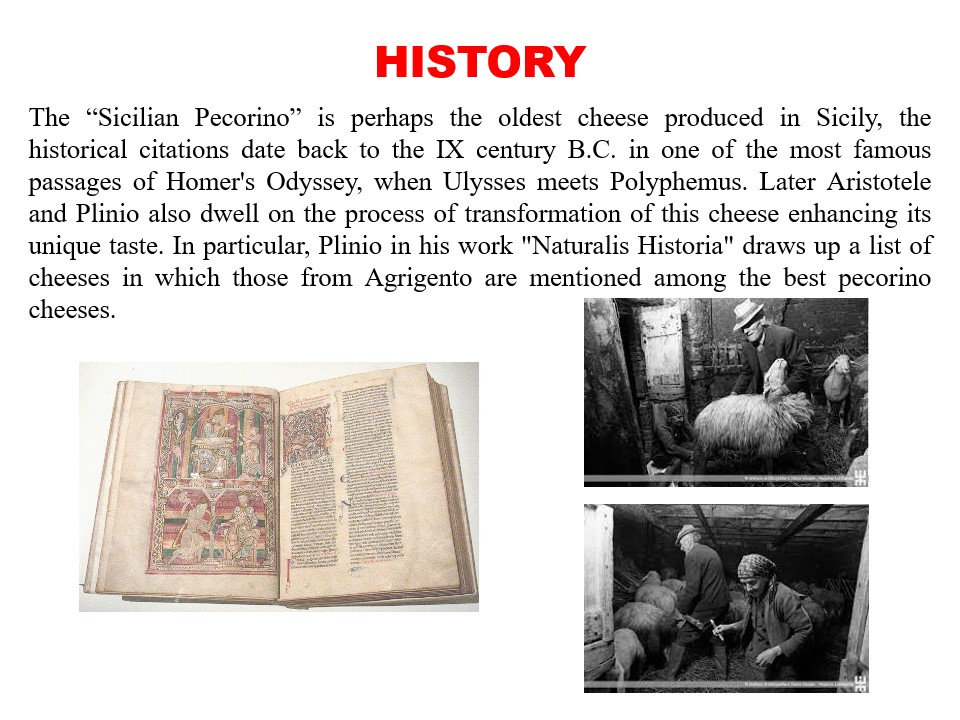
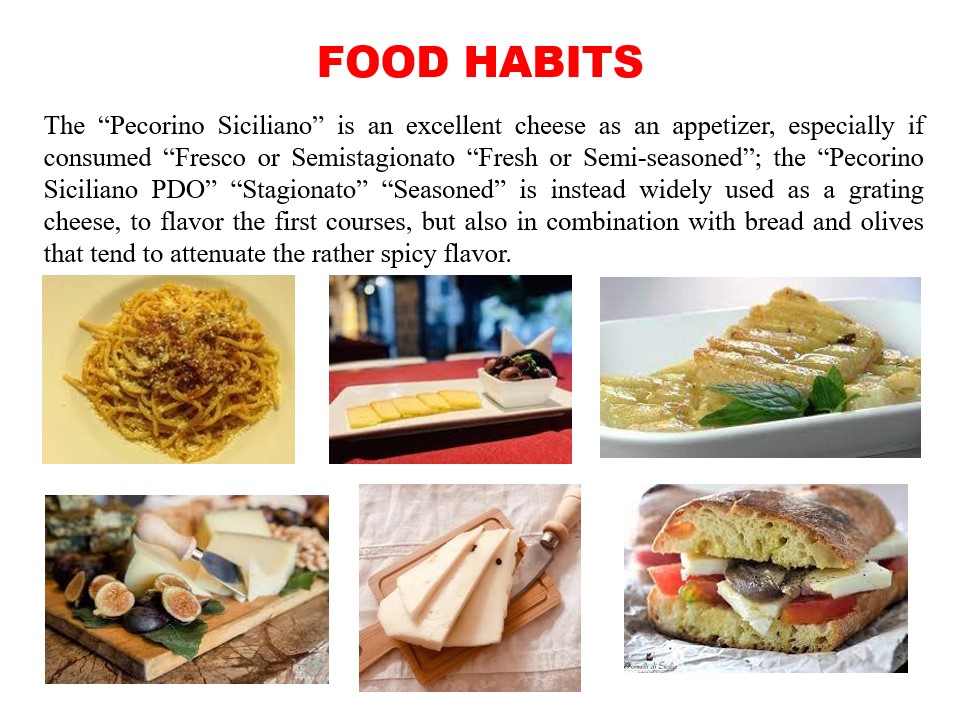
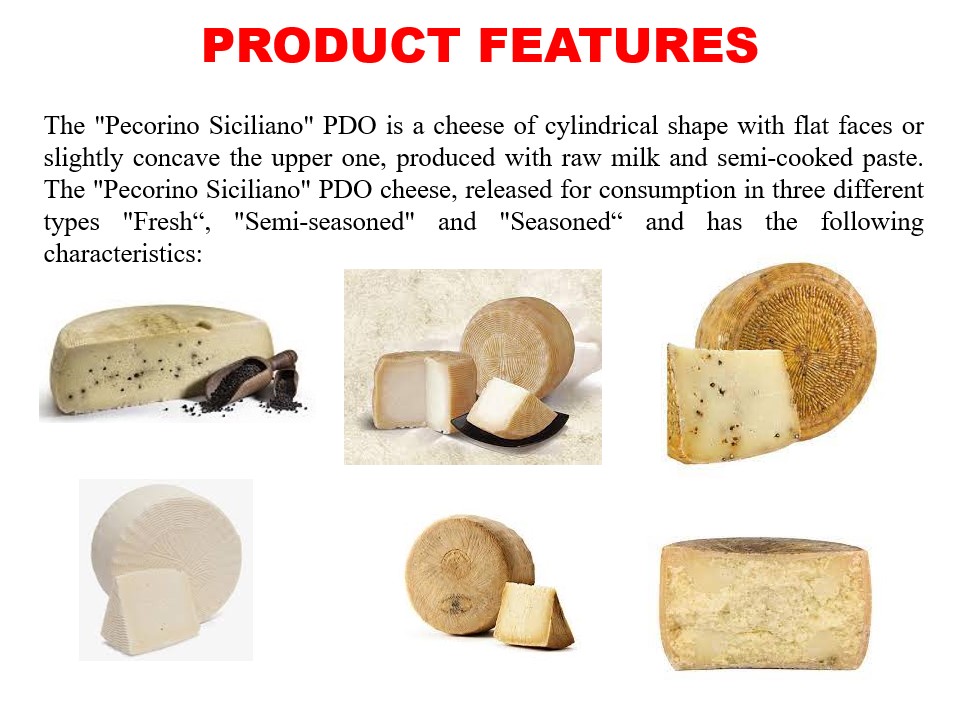
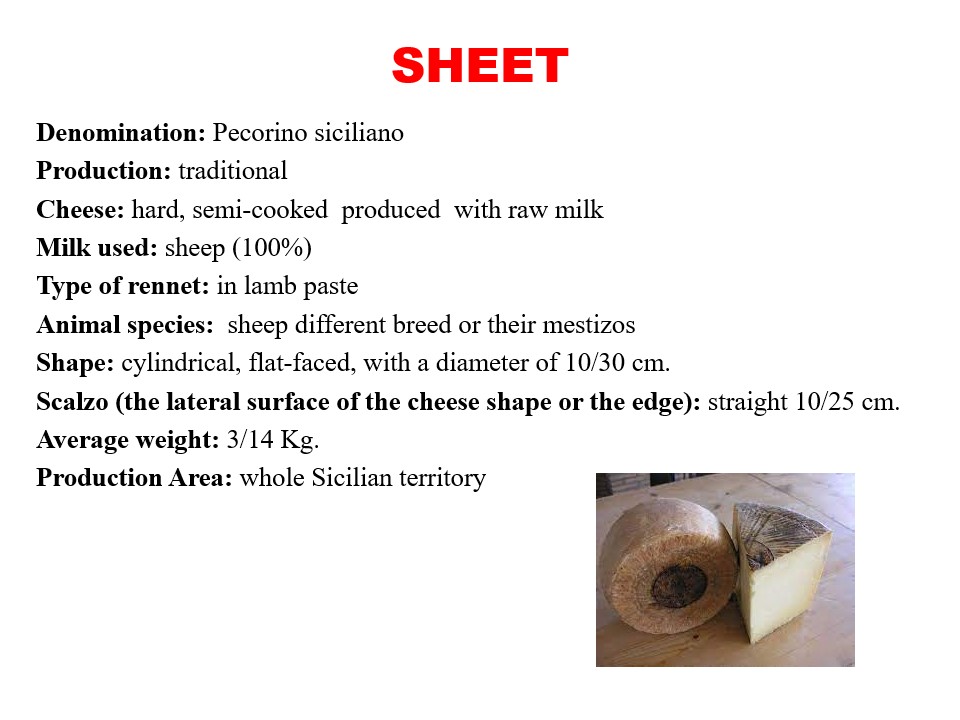
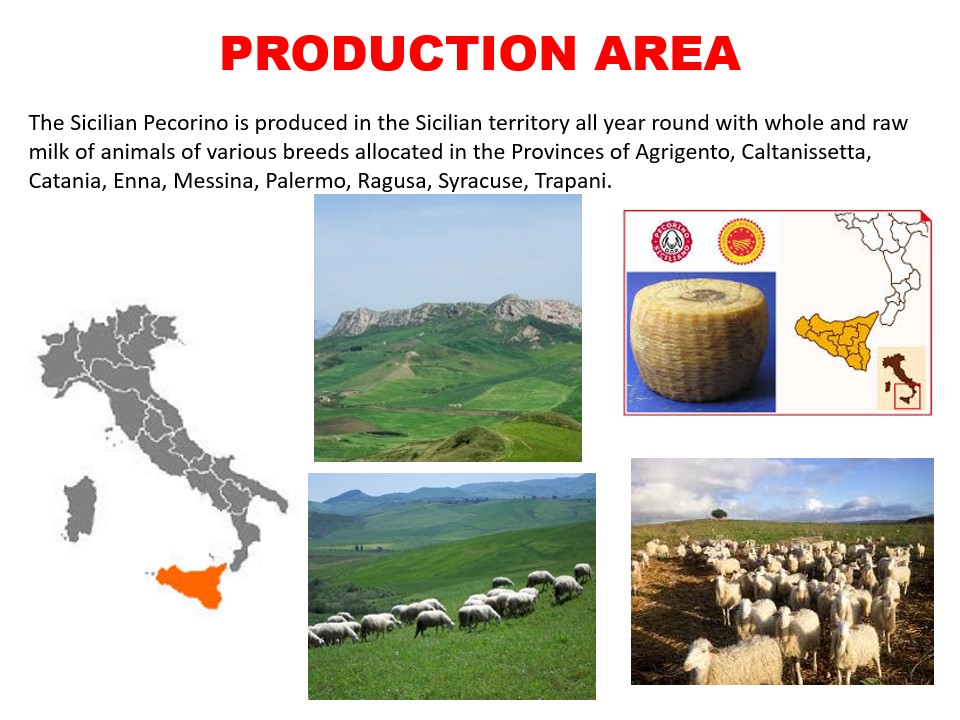
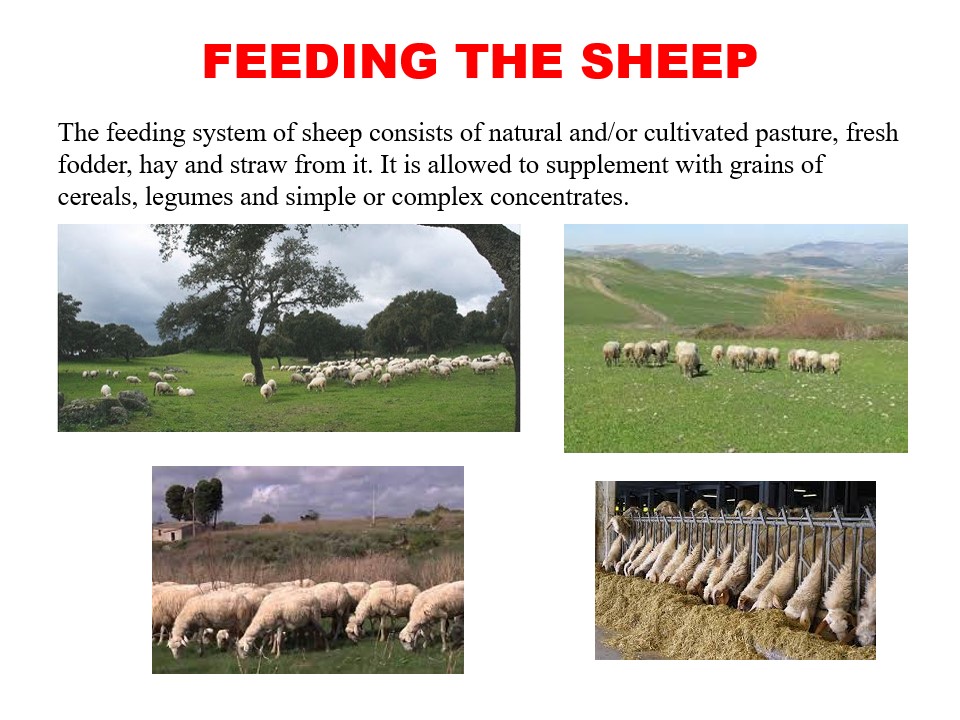

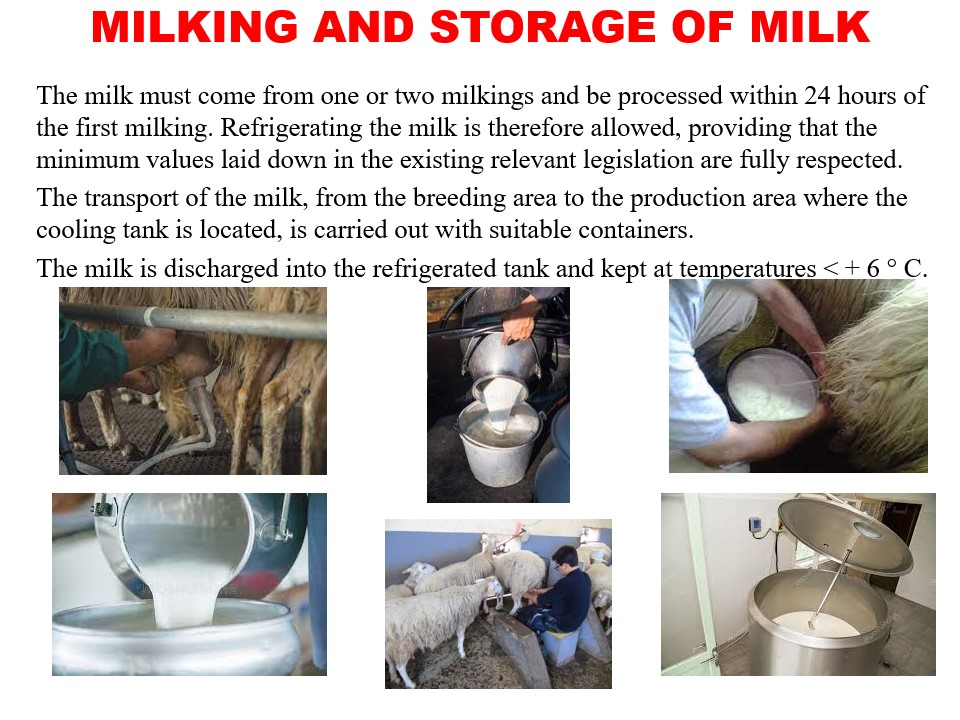

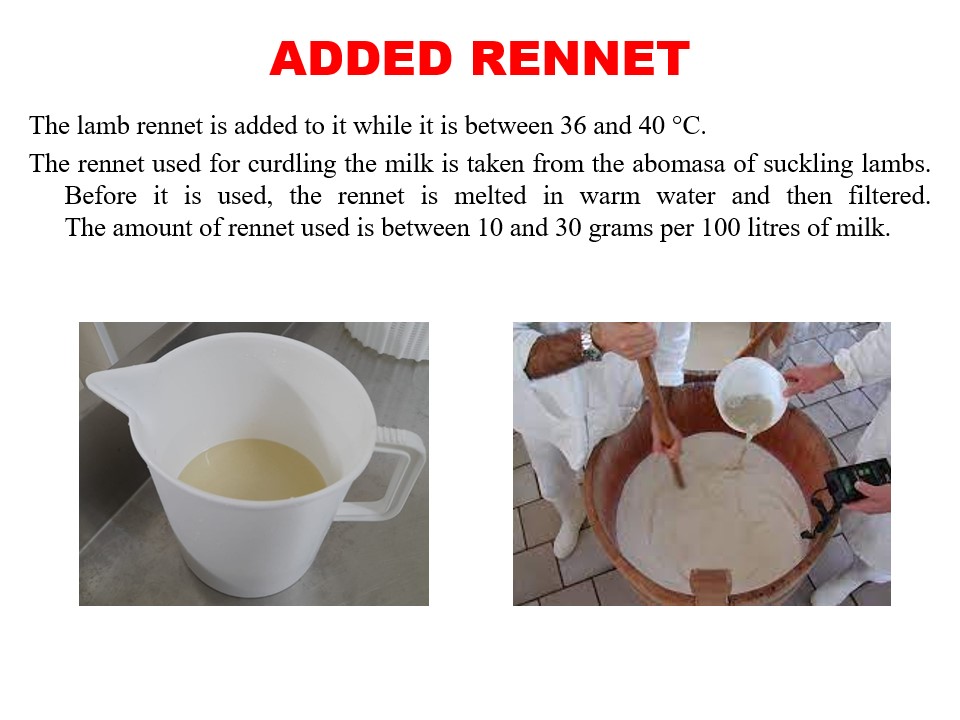

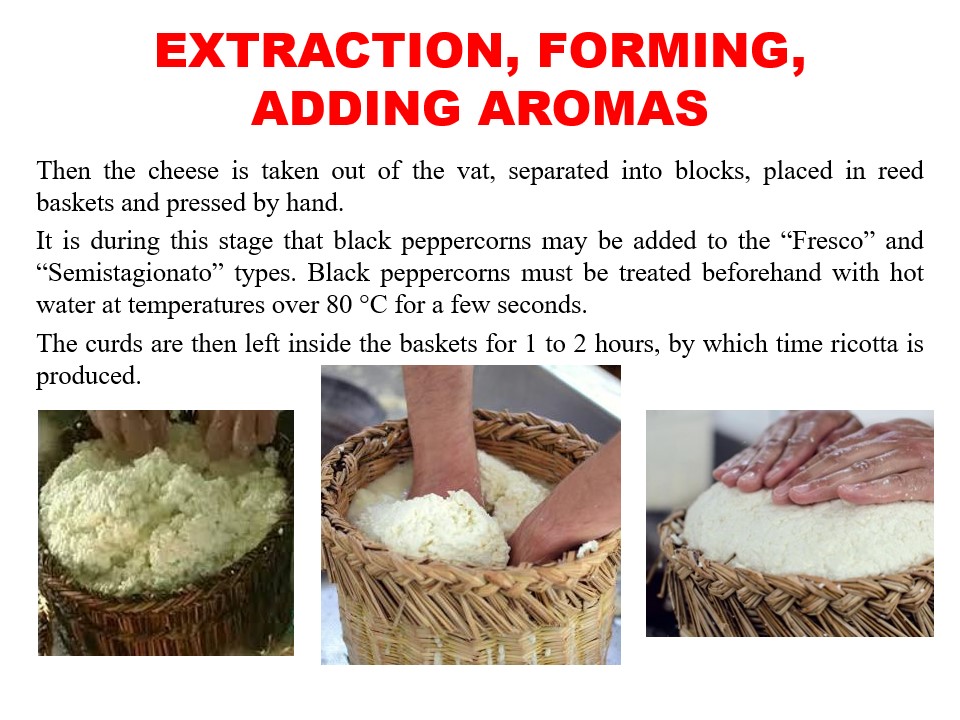
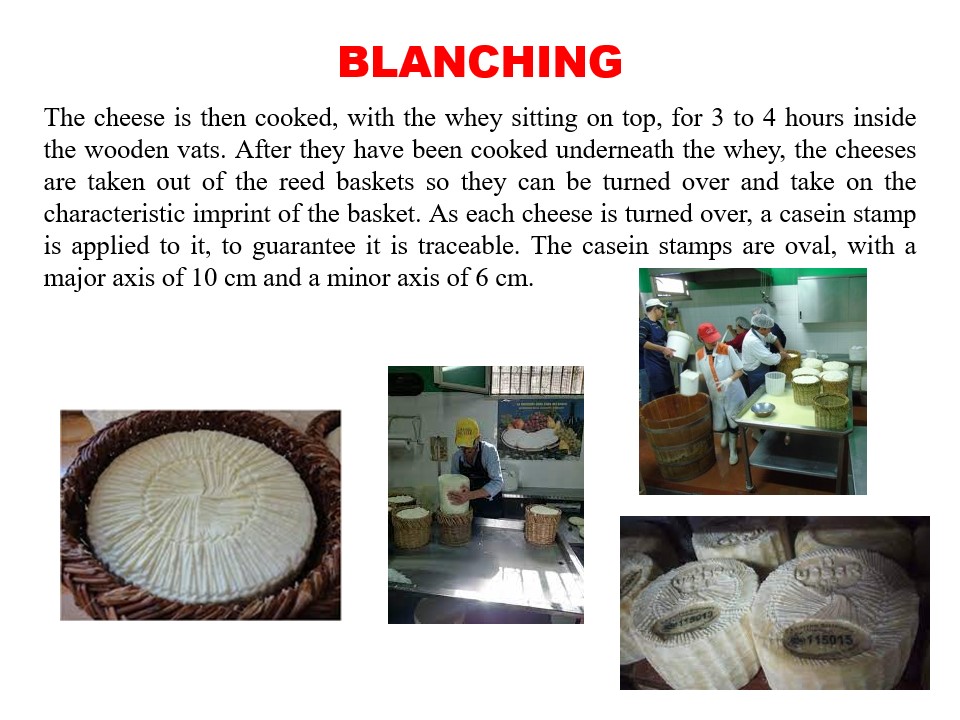
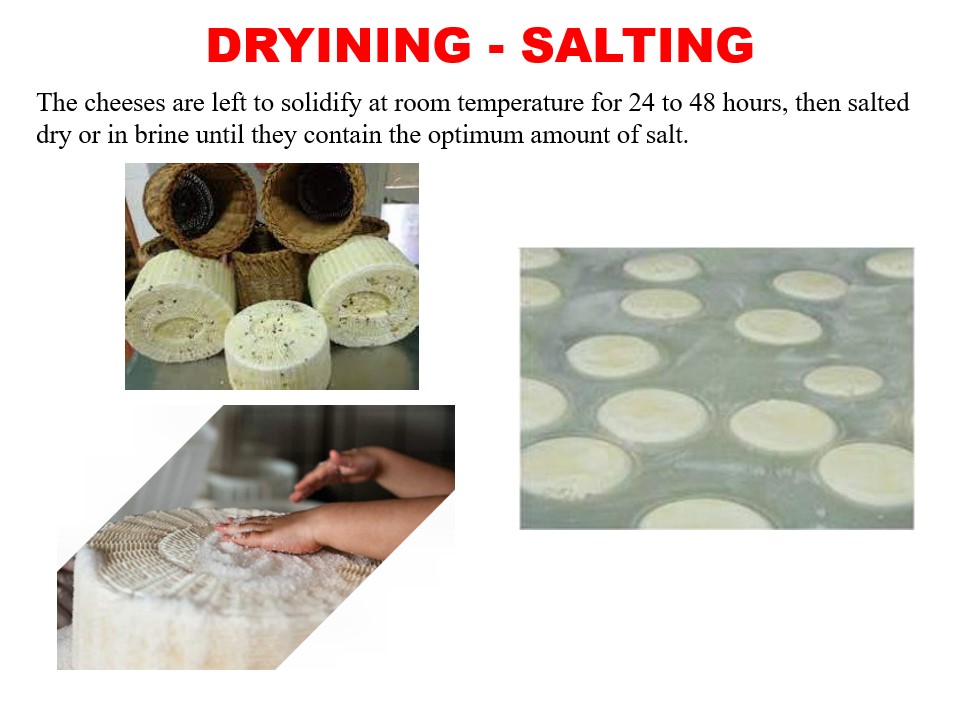
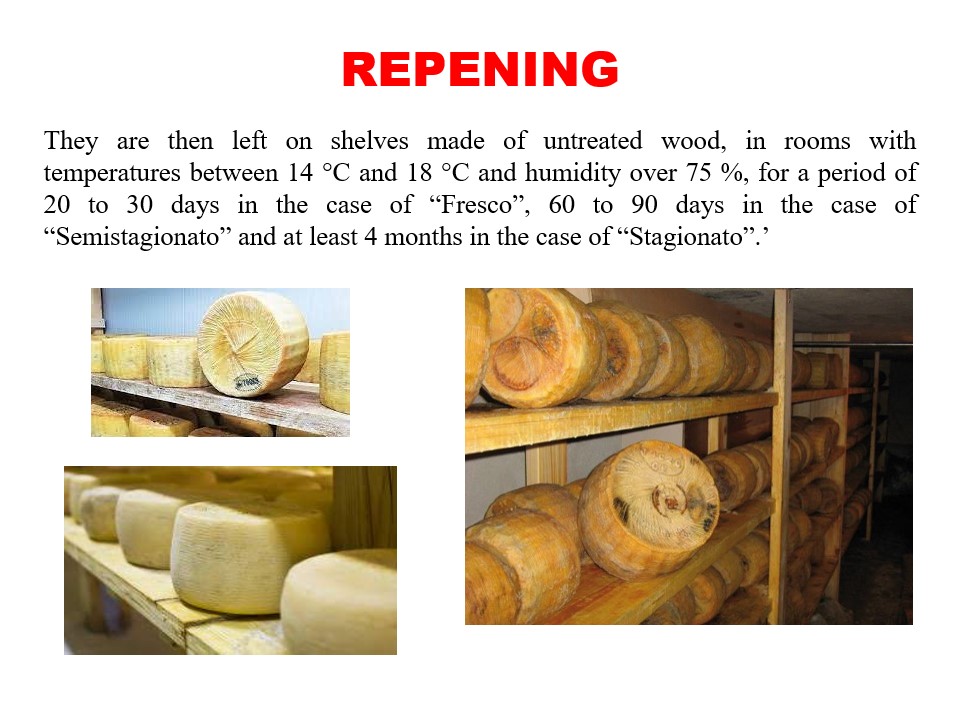
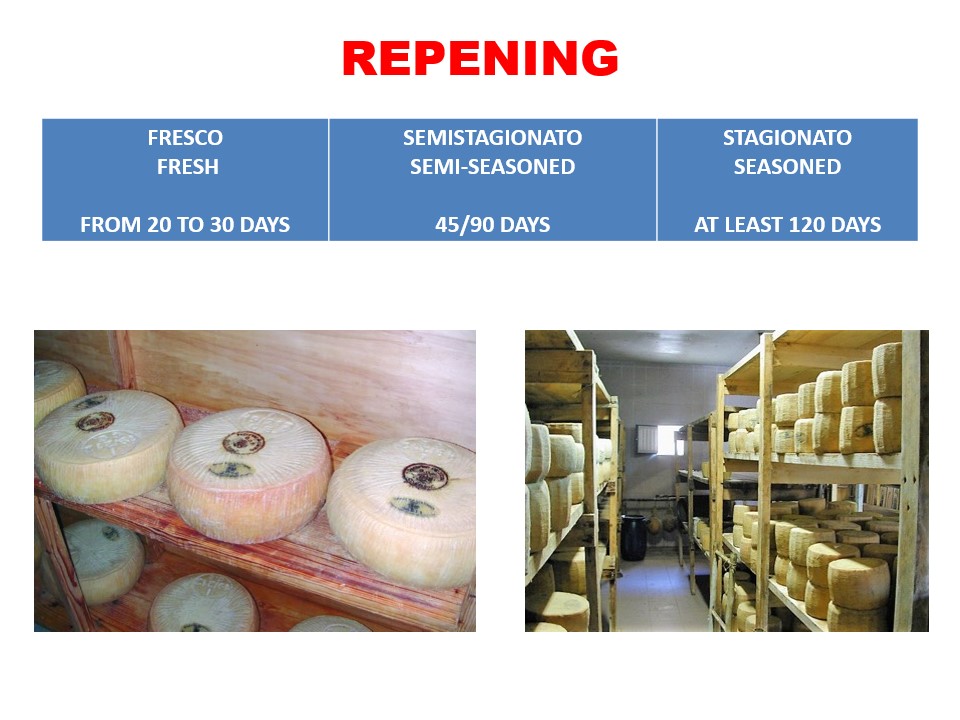
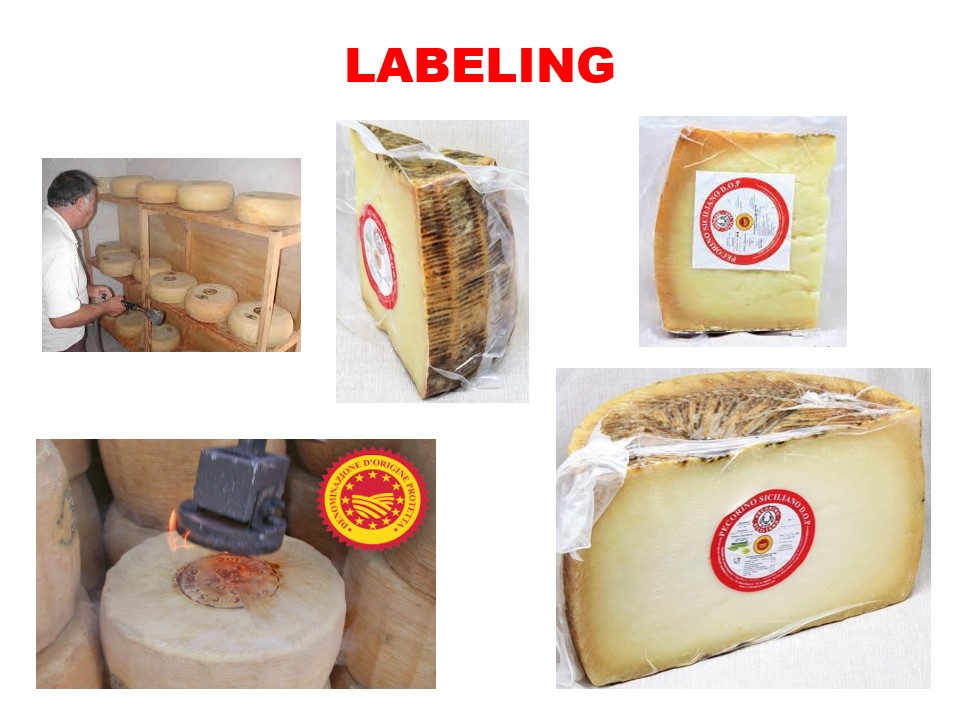
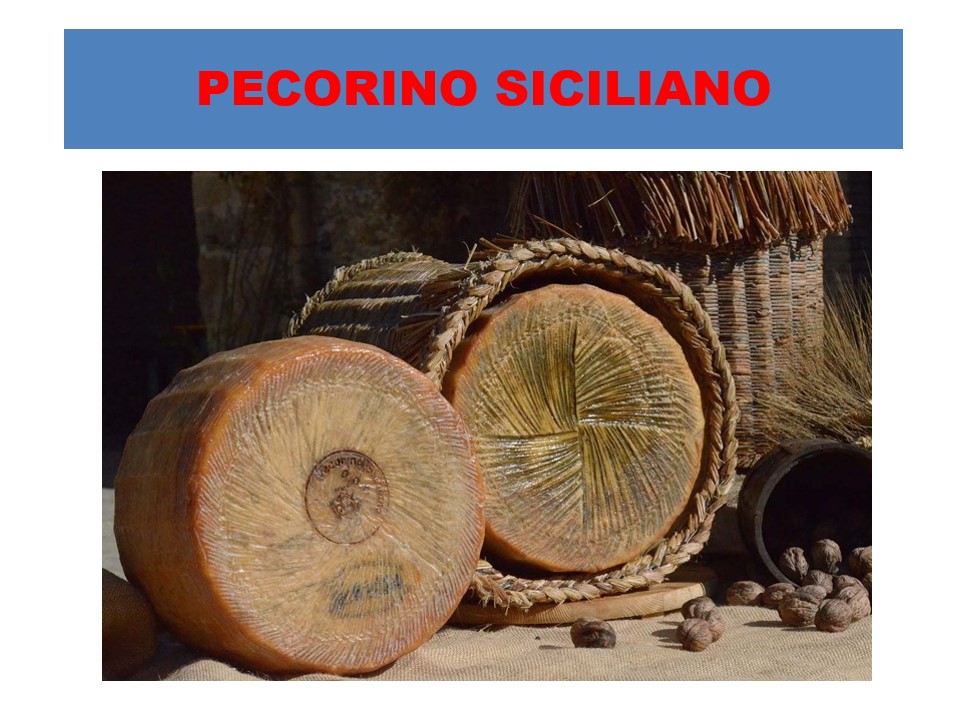



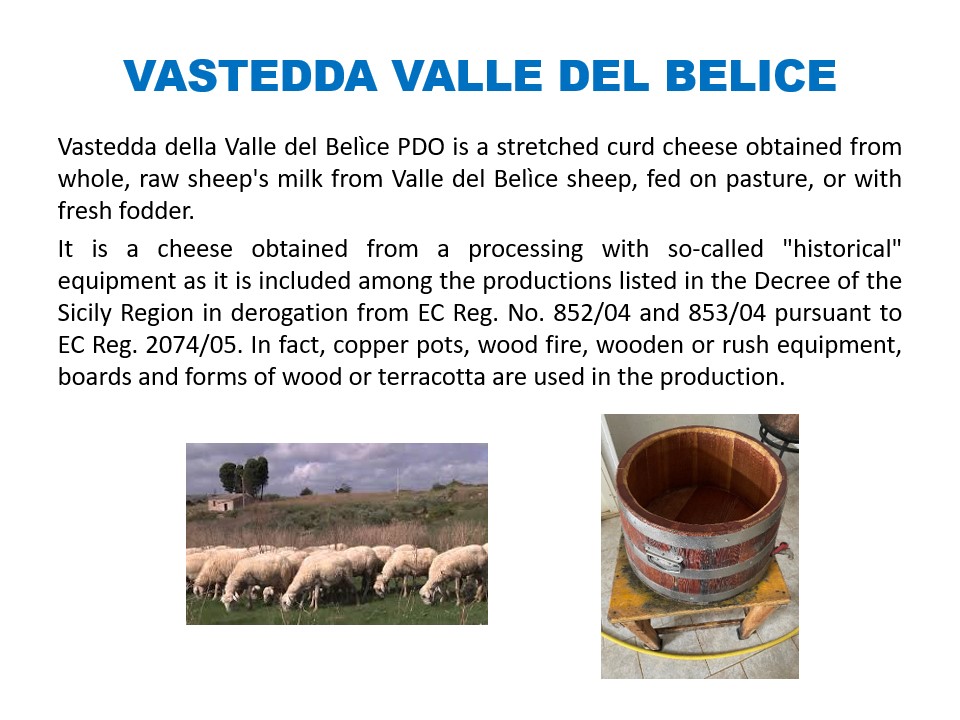


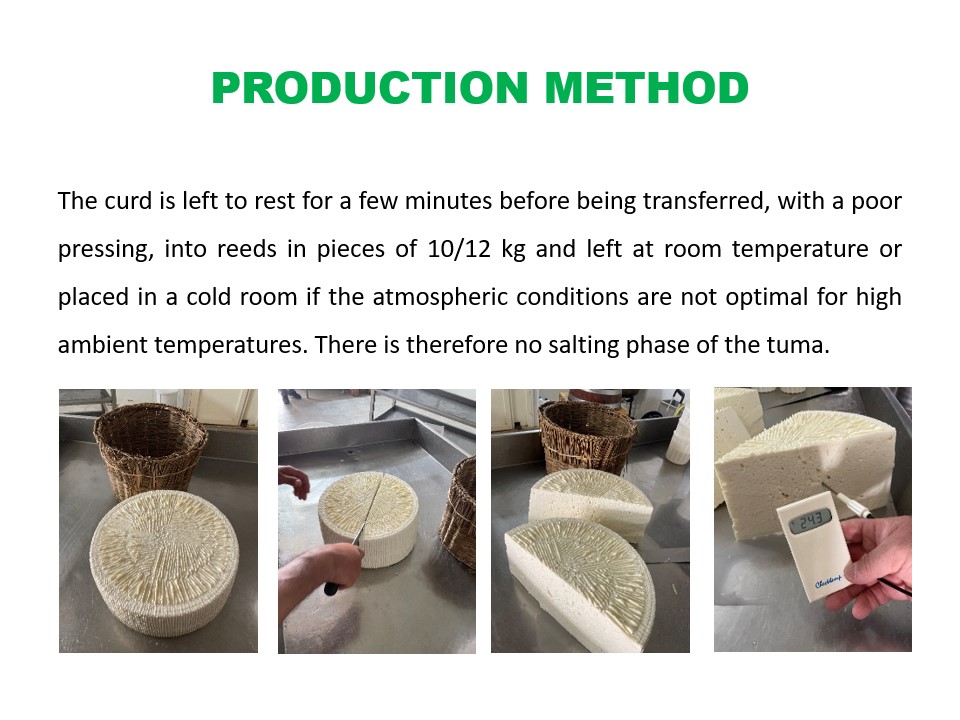
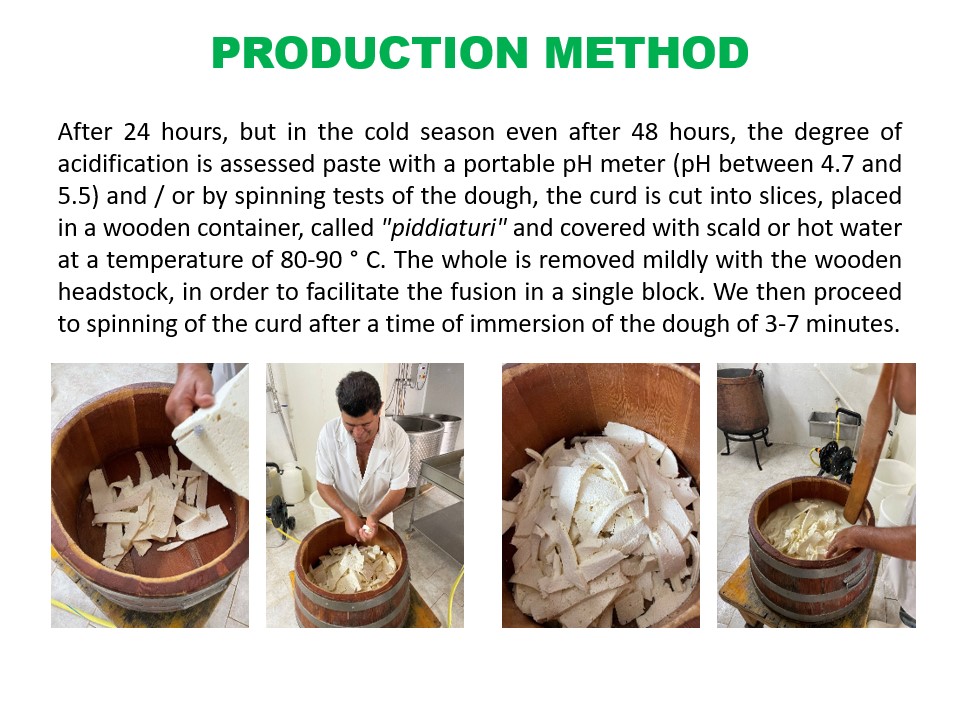
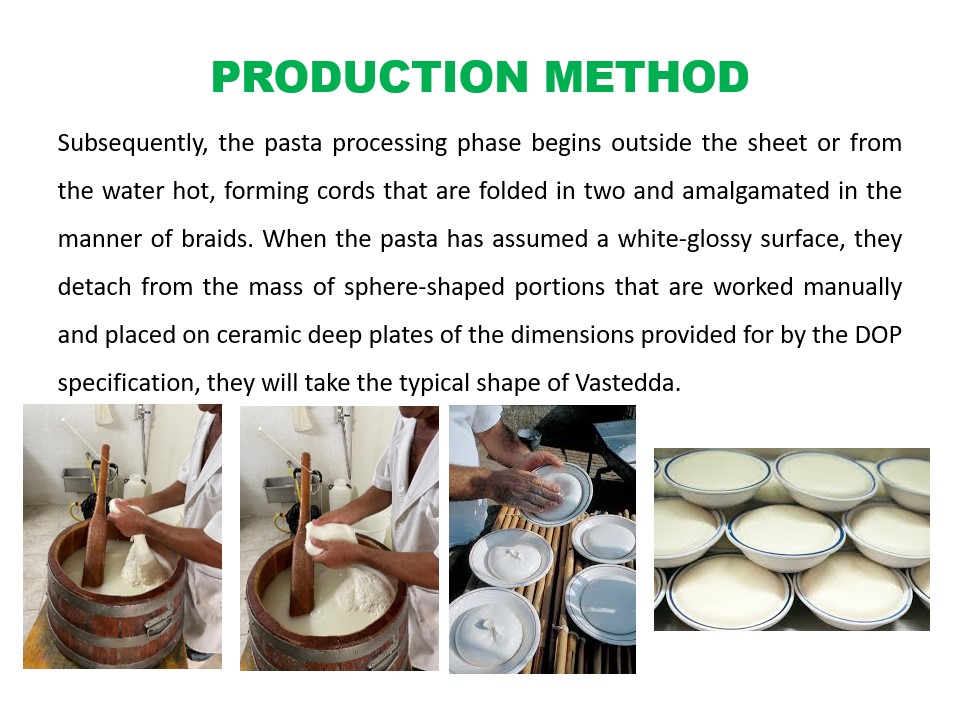

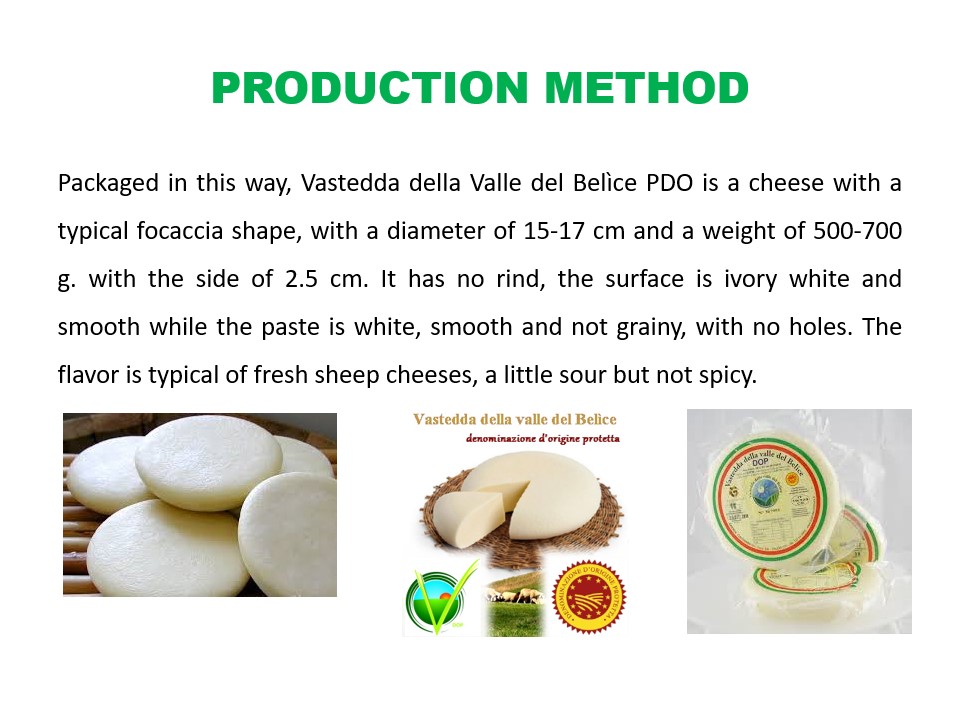

1-Slovenská bryndza
Description: Slovenská bryndza’ is a natural, white, mature, spreadable cheese in granular form, manufactured according to the traditional method, by milling a lump of matured sheep's cheese or by milling a mixture of lump sheep's cheese and lump cow's cheese. The percentage of lump sheep's cheese is greater than 50 %. It has a delicate odour and taste and has a pleasantly sour sheep's cheese taste that is slightly spicy and salty.
Its characteristic sensory properties originate from the natural microflora present in the lump sheep's cheese, which is produced from raw sheep's milk using a specific production technique. It contains a broad range of naturally occurring micro-organisms, chiefly consisting of the following: Lactobacillus, Enterococcus, Lactococcus, Streptococcus, Kluyveromyces marxianus, Geotrichum candidum .
Geographical area: The area is delimited by the mountainous part of the Slovak Republic. In early spring (March to April), the sheep graze in the parts of the delimited area that are at lower altitudes. In May, and during the summer months, they move to pastures at higher altitudes, lengthening the grazing period.
The production of ‘Slovenská bryndza’ has a historical link to the region in question, attested to in written sources — Otakar Laxa (1907), Codex Alimentarius Austriacus (Vienna 1917), even if at the time the product was not known as ‘Slovenská bryndza’ (owing to the historical circumstances). The ‘Cheese’ chapter of the Codex mentions the micro-organisms typical to this mature cheese (‘Karpathenokokkus’ and ‘Oidium Lactic’), which are still found in it today. The production process and the quality requirements for ‘Slovenská bryndza’ are also described by Teodor Wallo in a manuscript of 1907.
Proof of origin: The production of sheep's milk, cow's milk, lump sheep's cheese and lump cow's cheese intended for the production of ‘Slovenská bryndza’ is carried out exclusively in the delimited mountainous area of the Slovak Republic. The different bryndza producing plants purchase the milk and the lump sheep's cheese and cow's cheese exclusively from producers in the delimited area.
Method of production: Production of raw sheep's milk: Raw sheep's milk collected from grazing sheep of the Wallachian, improved Wallachian, Cigaya and Eastfrisian breeds, which account for 80 % of farmed sheep, is used to produce the lump sheep's cheese used in the production of ‘Slovenská bryndza’. Recently, there has also been development in the farming of the Lacaune breed. These breeds are farmed and graze in mountainous areas on the slopes of the mountain ranges located within the delimited area. The sheep are milked either by hand or using milking machines.
Production of ‘Slovenská bryndza’: The production of ‘Slovenská bryndza’ is carried out in bryndza production plants, which buy the lump sheep's cheese and cow's cheese or produce them themselves.
Labelling: A producer which makes ‘Slovenská bryndza’ in compliance with this specification is entitled to use the name ‘Slovenská bryndza’ when labelling, advertising and marketing the product and may use the protected geographical indication or the Community symbol.
The name ‘Slovenská bryndza’ must feature prominently on the product label, along with the address of the production plant.
2-Slovenská parenica
Description: ‘Slovenská parenica’ is a steamed, lightly smoked cheese wound into two rolls 6-8 cm in diameter and 5-8 cm high, connected in an ‘S’-shape. The rolls are bound with cheese string or chain. Prior to being rolled up, the cheese strip is 2-3 mm thick, 5-8 cm wide and 4-6 m long. ‘Slovenská parenica’ has a delicate taste, the odour of sheep's milk and a smoky smell. It is known for the characteristically pronounced fibrous structure of the curd. It contains a minimum 53 % dry matter and 50 % fat in dry matter.
The ingredients used are fresh raw, unprocessed sheep's milk from grazing sheep of the Wallachian, improved Wallachian, Cigaya and East Friesian breeds or a mixture of fresh raw, unprocessed sheep's milk and fresh raw, unprocessed cow's milk, containing at least 50 % sheep's milk.
Characteristics:
Shape: ‘Slovenská parenica’ comes in the form of two connected rolls of cheese strip which are 5 to 8 cm high and have a diameter of 6 to 8 cm. Traditionally the two coils are bound with cheese string.
Odour: ‘Slovenská parenica’ has the characteristic odour of sheep's milk and a smoky smell resulting from its being smoked in hardwood smoke.
Taste: The taste is that of a mild, pleasantly salty sheep's milk cheese.
Consistency: Elastic, with a fibrous structure; threads form when broken open.
Colour: Yellow to brown on the outside after smoking; white to buttery yellow on the inside.
Composition: Minimum dry matter content 53 %; minimum fat in dry matter 50 %; maximum salt content 3 %.
Geographical area: According to historical sources, steamed cheese production began around Zvolen and Brezno in the early 19th century. It gradually expanded to almost every part of Slovakia. Since the end of the Second World War, ‘Slovenská parenica’ production has been confined to a defined mountainous area of Slovakia at least 200 metres above sea level. The sheep are put out to graze in early spring (March/April) in the lower-lying parts of the defined area. In May and the summer months, they move to higher pastures.
Proof of origin: Cow's and sheep's milk, and ‘Slovenská parenica’ itself, are produced solely in the defined mountainous area of the Slovak Republic. The raw milk is worked into a lump and then either parenica is produced directly on farms and sheep farms or the milk is weighed out and sent to bryndza cheese producers and dairies for processing. Each bryndza cheese producer purchases raw sheep's and cow's milk in adjacent regions of the defined area.
‘Slovenská parenica’ is produced in the same way throughout the defined area. Within this defined area, the same breeds of sheep — that is to say the Wallachian, improved Wallachian, Cigaya and East Friesian breeds — are raised on pastureland with the same flora and climatic conditions, thereby ensuring uniform quality of the basic raw ingredient, sheep's milk.
Method of production: Parenica was originally produced in sheep farmers' kitchens, where the necessary conditions in terms of temperature and space were specially created, and where there was space for smoking and storage. Once shepherds had learnt to build more weather-proof and spacious dwellings, the production of parenica also began on highland sheep farms. The original method of production on highland sheep farms has been preserved to this day in some households. Fresh sheep's milk or a mixture of sheep's and cow's milk containing at least 50 % sheep's milk is curdled at a temperature of 29-32 °C. Actual curdling takes place about half an hour after the rennet has been added. This curdled cheese mass is then mixed using a cheese harp and cut with a cheese knife to produce 0,5-1 cm chunks. The crumbly cheese mass is then left to settle before being moulded into a lump by hand. The lump is then lifted out of the whey with a cheese cloth and left to drain. The curd is produced in a double-bottomed wooden press or rustproof receptacle. On its removal from the cheese cloth, the lump of sheep's cheese weighs 3-5 kg.
Labelling: A producer which makes ‘Slovenská parenica’ in accordance with this specification is may use the name ‘Slovenská parenica’ when labelling, advertising and marketing the product and, pursuant to Articles 8(2) and 20(2) of Council Regulation (EC) No 510/2006, may use it as a protected geographical indication or use the Community symbol.
Labels affixed to the product must include the name ‘Slovenská parenica’, highlighted.
3-Slovenský oštiepok
Description: ‘Slovenský oštiepok’ is a half-fat semi-hard cheese, which may be steamed or unsteamed and smoked or unsmoked. The basic raw material used to produce ‘Slovenský oštiepok’ is sheep's milk, a mixture of sheep's and cow's milk or cow's milk. ‘Slovenský oštiepok’ is produced either directly at a salaš (small-scale mountainside sheep farm), using the traditional on-farm method of production, or at dairies, using the industrial method.
‘Slovenský oštiepok’ is characterised by its special shape, that of a large egg, pine cone or ellipsoid with decoration.
Characteristics
Geographical area : The geographical area comprises the mountainous part of the Slovak Republic, the Western perimeter of which is formed by the Western slopes of the range comprising the White Carpathian, Považský Inovec, Tríbeč, Vtáčnik and Štiavnica mountains and the Krupina highlands.
Proof of origin: The sheep's and cow's milk used to make ‘Slovenský oštiepok’ is produced exclusively in the delimited mountainous area in the Slovak Republic. Small producers obtain sheep's and cow's milk from their own livestock. Dairies purchase sheep's and cow's milk in the regions surrounding them.
Method of production: The technique used to produce ‘Slovenský oštiepok’ within the delimited area in the Slovak Republic has developed dramatically between the time long ago, when it was produced by hand at a salaš or in the home, and now, with modern production in industrial dairies. The production principles and the guarantee of maintenance of traditional quality were established by the results of research carried out in the 60s and 70s.
Labelling: Any producer who makes ‘Slovenský oštiepok’ within the delimited area in accordance with this specification is entitled to use the name ‘Slovenský oštiepok’ when labelling, advertising and marketing the product. Labels affixed to the product must bear the name ‘Slovenský oštiepok’ prominently and state whether the product is hand-made or factory-made and, where appropriate, the percentage of sheep's and cow's milk.
4-Eidam Cheese
In Slovakia called Eidam.
Description:
It is a natural semi-hard cheese with a cream white to yellow colour and light creamy aroma. Eidam is made with pasteurised cow´s milk with the addition of milk cultures. Edam is a mild cheese with a rubbery texture. Traditionally, it is manufactured in a spherical shape and is coated in a red/yellow wax, or plastic coating, however, other shapes may also be found (rectangular blocks, loaf). The majority of all Eidam cheese varieties contain 40–52% fat in dry matter, and the water content in the (unripened) fat-free cheese ranges from 55% to 63%. They are made in sizes between 0.2 and 20 kg.
Geographical area:
Origin in Netherlands – Dutch port town Edam.
Characteristics:
Method of production:
Edam cheese is produced using milk from dairy farms. The milk is cooled to a maximum of 6 °C on the farm and kept in a cooling tank. Within 72 hours, it is moved to the cheese factory. When it is delivered to the cheese factory, it is either immediately processed or thermised (a non-pasteurizing, light heat treatment) and placed in cold storage for a short while before being converted into cheese-milk. The milk's fat content is standardized to have a fat/protein ratio that results in cheese with a final fat percentage of between 40% and 44% fat in dry matter. The cheese-milk is pasteurized for 15 seconds at a temperature of at least 72 °C. It begins to curdle when the temperature reaches about 30 °C. To guarantee that the moisture content and pH of the curds produced by coagulation are at the proper levels, the whey is separated from the curds before further processing and washing. In vats, the curds are crushed into the desired weight and shape. After that, the resulting "cheese" is placed in the brine bath. Edam cheese matures organically by being exposed to the air and being rotated and examined on a regular basis. During cheese maturation, a dry rind develops. Time and temperature are key factors in ensuring that the enzymatic and ageing processes have enough time to create the physical and organoleptic qualities of the cheese. Depending on the desired flavour, it may take more than a year for edam to mature.
5-Emmental Cheese
Description:
It is a traditional, unpasteurised, hard cheese made from cow's milk. It has a mild taste, fruitier aroma and thin rind. Emmental has walnut-sized holes and is considered to be one of the most difficult cheeses to produce because of the complicated hole-forming fermentation process.
Geographical area:
Origin in Switzerland – Emmental Valley
Characteristics:
When fresh, this sweetcurd cheese has a sweet, salty flavor; when fully ripened, it becomes pleasantly sharp. It has a firm, elastic consistency that makes it simple to cut; the interior has a uniform pale yellow color with holes that are about 0.6 inch (1.6 cm) in diameter and spaced 2-3 inches (5-8 cm) apart. The cheese cures from the inside out while maintaining a clean rind; the majority of the large holes are caused by the propionic acid bacteria, which also produce carbon dioxide.
Method of production:
For the production is used pasteurised cow´s milk. During the process of pasteurisation there is addition of calcium and specific bacterial cultures ( Streptococcus thermophilus; Lactobacillus helveticus a Propionibacterium shermanii ). Milk is than heated up to 32 °C and rennet is added. After 20 min milk becomes sour. Sour milk is than cut into regular raw cheese grains. The mixture is heated up to 53 °C and filled in forms. After the salting process cheese starts to ferment. When the cheese is pressed the holes are made as an action of bacteria. After 6-7 weeks of ripening the cheese is ready for consumption and has the typical nutty taste. Aging for 8-12 weeks produces a more savoury (salty) cheese. Emmental is produced in loaves weighing 70-80 kg.
Protected Geographical Indication
Traditional Speciality Guaranteed
6-Tekovský salámový syr
Description:
Tekovský salámový syr is a natural semi-hard ripened full-fat cheese, smoked or unsmoked, in the shape of a cylinder with a length of 30-32 cm and a diameter of 9-9,5 cm. It is produced by curdling heat-treated milk and then processing the curd into the traditional cylindrical shape. The individual cylinders are moulded, separated, prepared and checked by hand. The smoked type is cured by smoking after drying and curing. The characteristic organoleptic properties are due to the shape of the cylinder itself, which resembles the shape of the cheese has a soft, supple and elastic texture, with no or possibly small meshes on the cut. During the relatively short maturing period the cheese acquires a slightly sour, pronounced cheese-milk flavour. Tekovský salami cheese is marketed in food-grade foil; the individual salami cheeses are differ slightly in pack weight.
Proof of origin:
The application for registration of the geographical indication 'Tekovský salámový syr' is based on a specific shape - the shape of the salami, as indicated in the name of the product, which is unusual for cheese, and on its reputation and quality.
Geographical area:
Tekov is situated in a predominantly lowland area in the south-west of Slovakia. The area is renowned for its high production of cow's milk, a significant proportion of which is currently processed to produce a natural semi-hard cheese - Tekovský salámový syr.
Characteristics:
Microbiological characteristics : Tekovská salámová syr is made from pasteurised milk with the addition of pure lactic acid cultures of the genus Lactococcus or Streptococcus.
Method of production:
Pasteurised cow's milk with the addition of a lactic acid culture is used for the production of Tekovský salámový syr. Raw cow's milk is pasteurised to a temperature of 73 to 79 °C. Cheesemaking, slicing and finishing of the curd and preparation of the cheese grains is carried out in the usual way for the production of natural semi-hard cheeses. The mixture of whey and cheese grains is discharged into prepared moulds in which the cheese is pressed into to the desired firmness; the pressing time is approximately 80 minutes. Manual handling is maintained during further processing of the pressed cheeses to ensure better control of the quality and shape of the cheese: (a) slicing and separating the moulded salami cheeses; (b) removing the cheese and removing irregular moulds at the end of the cheese; (c) placing the prepared and checked cheeses on the salting pallets. Salting : the cheeses are salted for 24 hours immersed in a salt solution: concentration: 16-18 °Be NaCl, acidity - pH: 4,6-5,3, temperature: 12-18 °C. Drying of the cheese at a temperature of approximately 13 °C for approximately 24 hours. For the smoked type: Smoking : smoked with direct cold smoke at a temperature of approx. 30-35 °C in a forced-air smokehouse air is circulated through sawdust smoke until it turns a golden yellow colour. Ageing : the cheese is aged on pallets at a temperature of 8-12 °C and a relative humidity of no more than 90 %. for at least 2 weeks. Packaging : the cheeses are wrapped in food-grade foil. The packaging is marked with a coloured label bearing the name 'Tekovský salámový syr' or, in the case of the smoked type, the name 'Tekovský údený salámový syr' shall be used.
Labelling:
A producer producing Tekovský salámový syr in accordance with this specification may use the name 'Tekovský salámový syr' in product labelling, promotion and marketing. Labels identifying the product must bear: the name of the product 'Tekovský salámový syr', the words 'Protected Geographical Indication' or the abbreviation 'PGI' and the European Community symbol associated with it.
7-Zázrivský korbáčik
Description:
Zázrivský korbáčik is a steamed, smoked or unsmoked cheese in the shape of a braid, 10-50 cm long. It is produced in the traditional way - by steaming hardened and partially overripe lump cheese in hot water, by pulling it into the shape of threads, traditionally called 'vojky', which are between 2 and 10 mm thick. The pulled strands are then woven into a braid. The characteristic sensory properties are due to the fibrous structure of the pulled threads of the steamed cheese dough and the specific shape of the crown formed after the individual threads have been braided. Smoked and unsmoked 'Zázrivský korbáčik' is distinguished mainly by its colour and aroma. Smoked 'Zázrivský korbáčik' has a slightly yellow to golden yellow colour, a characteristic smoky aroma and a slightly higher salt content (1 %). Unsmoked 'Zázrivský korbáčik' is white to creamy-white in colour without a smoky aroma. Structure and consistency are the same in both types. Zázrivský korbáčik is offered on the market in food-grade foil in a group pack distinguished by the number of pieces and the weight of the product package.
Geographical area:
Zázrivá is situated in the mountainous north-western part of Slovakia with a cold and inhospitable climate. Most of the population lived by farming and breeding cattle - cows, goats, sheep and processing and changing the obtained raw materials, mainly milk, into cheese products of various shapes and of excellent quality.
Characteristics:
Microbiological characteristics: Zázrivský korbáčik is a steamed cheese made from lump cheese containing mainly thermoresistant Lactococcus , Streptococcus and Lactobacillus .
Method of production:
For the production of Zázrivský korbáček steamed cheese, lump cheese made from raw cow's milk or pasteurised cow's milk with the addition of a lactic acid culture is used. Steaming : the hardened natural cheese is first cut into smaller pieces which are grated and steamed in hot water (water temperature 70-95 °C), the cheese is kneaded with a wooden paddle or a mechanical stirrer until it becomes a compact plastic mass. Kneading : the parchment is kneaded, stretched and folded by hand until it is smooth and elastic texture - cheese dough - so that it is easy to shape. Shaping : the cheese dough is pulled into the shape of threads by hand or with the help of two rolls with grooves rotating against each other. The threads immediately fall into the cold drinking water. Cooling : the shaped cheese strands are cooled in cold drinking water over a period of 2 to 10 min to keep their shape. Winding : the cooled cheese strands are wound onto the twine. After winding, they are cut at one end and tied in the middle with cheese thread. Salting : the cut and tied strands are salted by immersing them in a saturated salt solution so that the resulting salt content does not exceed 4,5 % by weight in the case of unsmoked products, or 5,5 % by weight in the case of smoked products (the salting time depends on the thickness of the cheese strands - and the acidity of the cheese used). Partial drying: in order to get rid of excess salt water, the cheese threads are hung on a wooden or stainless steel rod, where the water is drained off. Knitting : at least two cheese strands, folded in half, are knitted by hand into a shape. The strands are woven into a ⅔ length and tied with one of the cheese threads to prevent to prevent unravelling. When making smoked korbáčik: Smoking : smoked with direct cold smoke at a temperature of approximately 30 °C in a traditional wooden or metal smoker or in a forced-air smoker with hardwood smoke wood until golden yellow in colour. Packaging : they are wrapped in food-grade foil, which is then labelled with the name 'Zázrivský korbáčik'.
Labelling:
A producer producing 'Zázrivský korbáčik' in accordance with this specification may use the name 'Zázrivský korbáčik' in product labelling, promotion and marketing. Labels identifying the product must: highlight the name of the product 'Zázrivský korbáčik'; indicate the type smoked or unsmoked; indicate the 'Protected Geographical Indication' and the European Community symbol associated with it.
8-Oravský korbáčik
Description:
Oravský korbáčik is a steamed, smoked or unsmoked cheese in the shape of a braid with a length of 10 - 50 cm. It is produced in the traditional way - by steaming hardened and partially overripe lump cheese in hot water, by pulling it into the shape of threads, traditionally called 'vojky', which are between 2 and 10 mm thick. The pulled strands are then woven into a braid. The characteristic sensory properties are due to the fibrous structure of the pulled threads of the steamed cheese dough and the specific shape of the crown formed after the individual threads have been braided. Smoked and unsmoked 'Oravský korbáčik' is distinguished mainly by its colour and aroma. Smoked Oravský korbáčik has has a yellow to golden yellow colour, a characteristic smoky aroma and a slightly higher salt content (1 %). Unsmoked 'Oravský korbáčik' is white to creamy-white in colour without a smoky aroma. Structure and consistency are the same in both types. Oravský korbáčik is marketed in food-grade foil in group packs differing in the number of pieces and the weight of the product packaging.
Geographical area:
The production of Orava korbáčik takes place in the Orava river basin (Orava region) on the territory of the Slovak Republic. Orava lies in the mountainous northwestern part of Slovakia with a cold and inhospitable climate. Most of of the population lived by farming and cattle breeding - cows, goats, sheep and processed and changed the obtained raw materials, mainly milk, into cheese products of various shapes and of excellent quality.
Characteristics:
Microbiological characteristics: Oravský korbáčik is a steamed cheese made from lump cheese containing mainly thermoresistant Lactococcus , Streptococcus and Lactobacillus .
Method of production:
Oravský korbáčik steamed cheese is made from lump cheese made from raw cow's milk or pasteurised cow's milk with the addition of a lactic acid culture. Steaming : the hardened natural cheese is first cut into smaller pieces which are grated and steamed in hot water (water temperature 70-95 °C), the cheese is kneaded with a wooden paddle or a mechanical stirrer until it becomes a compact plastic mass. Kneading : the mass is kneaded, stretched and folded by hand until it is smooth and elastic texture - cheese dough - so that it is easy to shape. Shaping : the cheese dough is pulled into the shape of threads by hand or with the help of two rolls with grooves rotating against each other. The threads immediately fall into the cold drinking water. Cooling : the shaped cheese strands are cooled in cold drinking water during 2 - 10 min to retain their shape. Winding : the cooled cheese strands are wound onto the twine. After winding cut at one end and tied in the middle with cheese thread. Salting : the cut and tied strands are salted by immersion in a saturated salt solution so that the resulting salt content does not exceed 4,5 % by weight in the case of unsmoked products, or 5,5 % by weight in the case of smoked products (the salting time depends on the thickness of the cheese strands - and the acidity of the cheese used). Partial drying : to rid the cheese strands of excess salty water, they are hung on wooden or anti-corrosion rod, where the water is drained off. Knitting : at least two cheese strands, folded in half, are knitted by hand into a shape. The strands are woven into a ⅔ length and tied with one of the cheese threads to prevent unravelling. When making smoked korbáčik. Smoking : smoked with direct cold smoke at a temperature of approximately 30 °C in a traditional wooden or metal smoker or in a forced-air smoker with hardwood smoke wood until golden yellow in colour.
Labelling:
A producer producing 'Oravský korbáčik' in accordance with this specification may use the name 'Oravský korbáčik' in product labelling, promotion and marketing. Labels identifying the product must: highlight the name of the product 'Oravský korbáčik'; indicate the type smoked or unsmoked; indicate the 'Protected Geographical Indication' and the European Community symbol associated with it.
9-Zázrivské vojky
Description:
Zázrivské vojky is a steamed, smoked or unsmoked cheese in the shape of threads 10-70 cm long and 2 cm thick. to 16 mm. It is produced in the traditional way - by steaming fermented and partially overripe lump cheese in hot water, by pulling it out by hand or by means of two grooved rollers rotating against each other in the shape of long threads, called vojky in the local dialect. Pulled and prepared are placed loosely or twisted in groups, or tied in the middle with a soldier's tie. The characteristic organoleptic qualities are due to the fibrous structure of the pulled out turnips, which is achieved by hand processing of the steamed cheese dough and the characteristic shape of the florets (length and thickness). Smoked and unsmoked Zázrivské vojky differ mainly in colour and aroma. Smoked 'Zázrivské vojky' has a slight yellow to golden yellow in colour, with a characteristic smoky smell and a slightly higher salt content. Unsmoked Zázrivské vojky are white to cream-white in colour without a smoky smell. The texture and consistency are the same in both types are the same. Zázrivské vojky are marketed in food-grade foil in group packs differing in weight the weight of the product packaging.
Geographical area:
The production of Zázrivá vojok takes place in the village of Zázrivá. The area of Zázrivá is a typical mountain region with suitable conditions for breeding and grazing sheep and cattle cattle with subsequent processing of milk into cheese. This advantage of the mountain environment is shared by the population has been exploited and used since the settlement of the area until now.
Characteristics:
Microbiological characteristics:
Zázrivské vojky is a steamed cheese made from lump cheese containing mainly thermoresistant acid Lactococcus , Streptococcus and Lactobacillus .
Method of production:
Zázrivské vojky steamed cheese is made using lump cheese made from raw cow's milk or from pasteurised cow's milk with the addition of a lactic acid culture. The cow's cheese is prepared for steaming - it is cut into strips, which are further prepared by grating. The processed cheese is steamed in hot water (water temperature 70-95 °C) by mechanical processing until it becomes a compact curd. The parchment is further processed by hand until the dough is soft and easy to shape. The resulting cheese dough is immediately pulled out by hand or by means of two rollers with grooves turning against each other to form long threads. The pulled threads immediately fall into cold drinking water. The cooled threads are wound by hand onto the twine and then cut at one end and tied in the middle with a single cheese thread (vojka). The prepared cheese strands are salted in a salt solution to achieve the desired final salt content. After salting, the cheese curds are hung up to get rid of excess water. The smoked types of cheese are smoked in a traditional smokehouse using direct cold smoke with forced circulation. air through hardwood smoke until golden yellow in colour.
Labelling:
Producers producing 'Zázrivské vojky' in accordance with this specification may use the name 'Zázrivské vojky' in product labelling, promotion and marketing. Labels identifying the product must: highlight the name of the product 'Zázrivské vojky'; indicate the smoked or unsmoked type; indicate the 'protected geographical indication' or the abbreviation 'PGI' and the European symbol associated with it Union symbol.
10-Klenovecký syrec
Description:
Klenovecký syrec is a semi-hard cheese, smoked or unsmoked, in the shape of a loaf with a diameter of 10-25 cm or a prism measuring 10-14 x 12-16 x 8-12 cm. The basic raw material for the production of 'Klenovecký syrec' is sheep's milk or cow's milk. The cheese is produced directly on the shepherd's farm or on the farm, the 'shepherd's way', or in dairies, the 'industrial way'. The surface of the cheese is closed and has a distinctive mosaic - an embossed circle 4 to 6 cm in diameter with a cross or a four-leaf clover. Klenovec cheese may have a fine rind on the surface, or it may be coloured green or ash-coloured from wood. The weight of 'Klenovecký syrrec' is 1-4 kg.
Geographical area:
Klenovecký syrec is produced in the Slovenský Rudohorie region, which is actually the Gemerskomalohontská region. The geographical area belongs to the central and eastern part of Slovakia - to an area which is predominantly mountainous and meadow. Sheep and cattle farming is widespread in this mountainous area, from which the milk for Klenovec cheese. In the area around Klenovec there are many indigenous unpolluted meadows and pastures suitable for feeding sheep and cows. Milk from these foothill areas has excellent curdling and renneting properties, which is is a prerequisite for the production of exceptionally high-quality cheese.
Characteristics:
Microbiological characteristics: Klenovecký syrec is a semi-hard cheese, smoked or unsmoked, made with the addition of the original culture composed of lactic acid bacteria of the genus Lactococcus , possibly also Lactobacillus , which gives Klenovecký syrec its characteristic and specific properties. This culture has been isolated from raw sheep's milk and from sheep's cheese on Slovak sheep farms.
Method of production:
Raw sheep's or cow's milk is used for the production of Klenovecký syrec on shepherd's huts, or pasteurised sheep's or cow's milk in industrial processing. The technology of Klenovecký syrec production has gradually changed over the history of its production has evolved over time, although it still retains its traditional features. There is a slight difference in the way the processing of milk in small and large quantities. Klenovecký syrec was produced in the traditional way on the shepherd's hut or on the farm and industrially. In the traditional way of production on a shepherd's hut or on a farm, milk from the own production is processed. The fresh, warm, whole sheep's or cow's milk is poured into a cheese vat at a temperature of about 32 °C and a rennet solution is added so that curdling takes place after 15-20 minutes. Once a firm consistency has been reached, the curd is cut into small cubes and the cheese grains are left to set, with constant stirring, until they are firm. When the curd is firm, part of the curd (approx. 2-4 kg) is transferred to the prepared and hanging cheese sheet, where the whey is left to drain. The cheese is gradually fermented in the heat and turned and squeezed in the sheet. This draining of the whey takes about 2-3 hours. Once the cheese has reached a firm consistency, the lump and the sheet are placed in hot water, where the cheese is steamed on the surface and continues to be pressed in the sheet. Once the cheese has a mouldable surface consistency, the cheese is transferred to a mould with a mosaic decoration and left to cool. The cheese is then salted in brine for about 24 hours. After salting, the cheese is placed on a shelf where it ripens for 2-4 weeks at a temperature of about 15 °C. It must be checked every day during the ripening period, wiped and turned over. Once the cheese has risen, it can be smoked, coloured green with vegetable dye (e.g. from vegetable branches or creepers) or painted with fine wood ash. The ripened cheese is sold packaged in health-safe food packaging.
Proof of origin:
The production as well as the purchase of sheep's and cow's milk shall be recorded and controlled according to the current legislation and HACCP requirements. Proof of origin is also a legal obligation of the raw material used, i.e. the raw sheep's or cow's milk needed to make the cheese. This traceability is one of the basic principles of the HACCP system, which is now compulsory in all dairies and cheese factories, large and small. The guarantee of the origin of the product from the protected geographical area is given by the geographical the producer's place of establishment in a precisely defined geographical area, in in which 'Klenovecké syrce' may be produced.
Labelling:
Identification of the product and the origin of the raw material is ensured by checks at the milk reception only from the defined area, and also by indicating the name 'Klenovecký syrec', the name of the producer and the address the name of the production site on the packaging.
1-Mohant Cheese
Production methods of mohant and bovec cheese
Sensory and chemical composition
(intesifies with age; 2 – 3 months of maturation )
Pressing and („deže“) filling
(whey secretion, anaerobic conditions)
Ripening - in three stages
The secreted whey is removed and replaced with water
During ripening the proteins are broken down into amino acids. This releases gas, which is why the cheese becomes spreadable and develops its characteristic smell and taste.
Packaging
Labelling
(‘There is only one Mohant, Bohinj’)
2-Bovec Cheese
History
Description:
Or
Or
3-Tolminc Cheese
Description:
History:
It has more than 700 years of tradition.
Classification:
Process diagram:
Milk production:
Method of cheese production:
Manipulating the coagulum:
The formation of the Tolminc:
Control of external parameters:
4-Nanos Cheese
Description:
Classification and milk production:
Methods of production:
Coagulation: addition of rennet, 100 % chymosin
When coagulum is firm enough – cutting into squares
Heating and drying: to 45-50 °C and then dried, with constant stirring, - goal appropriate consistency
Shaping and maturation:
5-Bohinj Cheese
Description:
Methods of production:
Shaping and maturation:
6-Trnič Cheese from Velika Planina
Description:
Method of productin: