
Course 1
Production Processes
Module 1 Course 2
Workplace Requirements

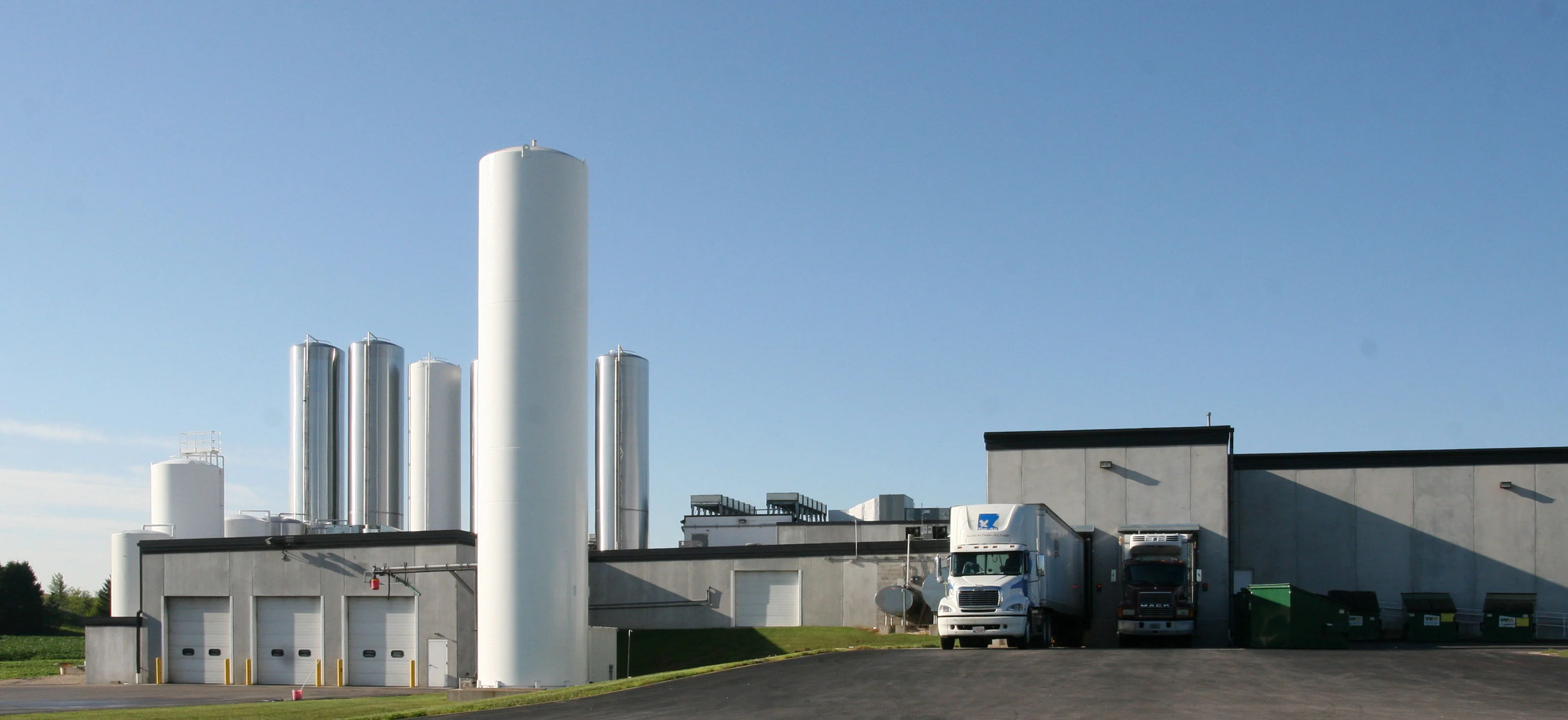


Building Requirements
Building Surroundings
- Any possible dangers around the building, such as floods, wooded areas, and pests, should be eliminated in advance.
- There should be no polluting factors such as “garbage, dusty roads, odor, etc.” around the facilities.
- There should be no unnecessary materials in areas adjacent to or near the building.
- Areas such as grass and soil around buildings should be covered with concrete or asphalt.
Building Structure
- Windows and doors in the production area must be closed, and there should be no pests from the outside.
- Wooden pallets should not be used in food workplaces unless necessary; plastic pallets should be preferred.
- Airborne contamination should be minimized, and surfaces in contact with food should be smooth.
- If a forklift is used inside the building, priority should be given to those with batteries or chargers.
- Chemical substances such as detergents, disinfectants, and insecticides should be used under the supervision of designated personnel.
- Warning text or photographs referring to product safety must be placed within the facility.
Ground
- It should be durable, washable, easy to clean, and suitable for disinfection when necessary.
- The ground should not be slippery.
- It should have a slight slope of 5% towards the accumulation of water.
- Precautions must be taken against harmful entry into wastewater channels.
- After work, the floor should be cleaned with hot water and disinfectant water, then dried.
Surfaces
- Surfaces must be smooth and designed to prevent dirt and mold accumulation.
- Must be easy to clean and wear-resistant.
- The surfaces where food is processed, especially the surfaces of the tools, should be easy to clean.
Windows
- Windows and other open areas should be designed to prevent the accumulation of waste and dirt.
- Removable portable fly screens should be installed on doors that open to the outside to prevent insects and rodents from entering.
- It should be made of wear-resistant material.
- Window glass must be protected against breakage.
- Windows should be cleaned periodically.
- Mosquito nets should be removed and maintained occasionally.
Ceiling
- Ceiling color should be light due to evaporation and water droplets.
- It should be easy to clean and should prevent the accumulation and reproduction of dirt and mold.
- Ceilings need to be whitewashed, painted, maintained, and repaired from time to time.
Walls
- It must be durable, washable, and effectively cleaned and disinfected when necessary.
- Tiles and similar materials should be used to an acceptable height for the food production process.
- The surface of the walls should be smooth and light in color.
- Wall surfaces should be effectively cleaned and maintained when necessary.
Doors
- It should be made of cleanable, disinfectable, smooth, and non-absorbent materials.
- It should be able to close automatically.
- It should be made of a smooth and even material to prevent dirt accumulation.
- When the doors become dirty, they should be cleaned immediately.
Water Used
- Food businesses must always have a water system that is ready for use and drinkable, and the water quality criteria must comply with the legislation.
- Steam used in parts that come into direct contact with food and food-contact substances and materials must be produced from potable water.
- Ice-making equipment and water tanks should be cleaned and disinfected from time to time.
- Water pipes used in fire control and water pipes used in food processing should be of different colors.


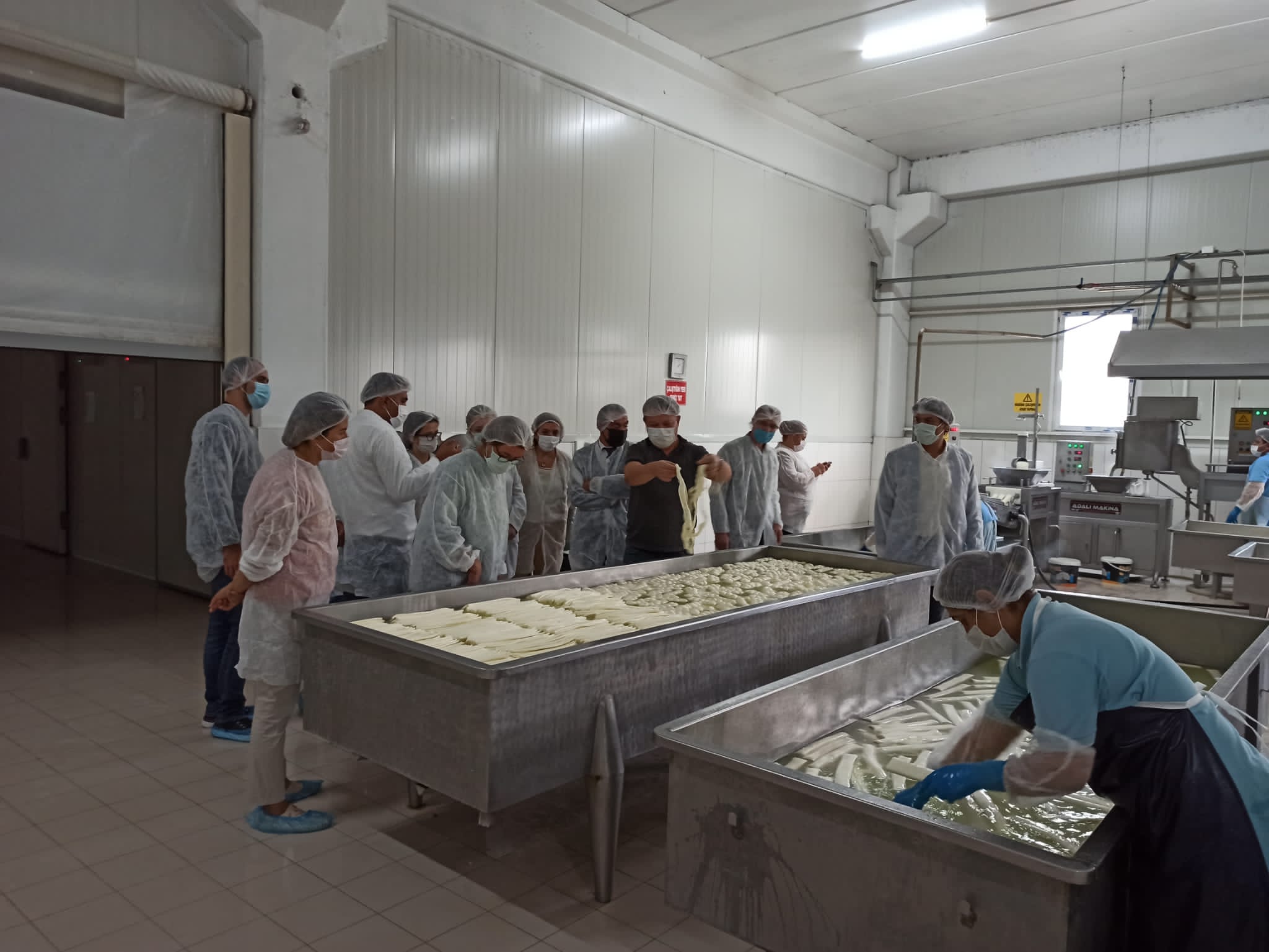


Business Hygiene Conditions
Firstly
- The sections where food is processed, prepared, and used must be designed and installed in accordance with product production. There must be sufficient work space to prevent cross-contamination.
- All equipment and materials used in food production that come into contact with food must comply with the legislation.
- Equipment should be designed so that it can be adequately cleaned.
- All joints on surfaces that the tools come into contact with must be rounded, uninterrupted, flat, and smooth.
- The development of microorganisms must be prevented.
- Gaskets should be selected from non-toxic, non-absorbent, non-porous materials and should be resistant to cleaning chemicals.
- Unused, damaged, or faulty materials should be removed from the production area.
- Hoses and similar equipment within the business should not be left in the production area when not in use.
- The tools removed during repair should be replaced after being cleaned and disinfected.
Lighting
- The business should be illuminated naturally or artificially in a way equivalent to daylight.
- Lighting devices must be protected against possible dangers and breakage with protectors.
- Protectors should be easy to clean and not cause cross-contamination.
- Food businesses must have adequate ventilation.
Ventilation
- The workplace work area must have a natural or artificial ventilation system.
- Positive air pressure should be from clean to dirty areas.
- If there is artificial ventilation such as air conditioning, the information notes of the company that installed the system should be followed regarding the direction of positive air pressure and the timing of filter replacement.
Water-Ice-Steam
- Water used in food production must be of potable quality. A suitable facility must be provided for continuous and sufficient supply of water, pressure, and temperature control. Documents related to water treatment must be filed.
- Ice that comes into contact with the product must be obtained from drinkable water and must be stored and transported in accordance with hygiene conditions within the business.
- The steam used on surfaces that come into direct contact with food and food-contact substances and materials must be obtained from potable water.
- Water used for cooling and fire extinguishing purposes, which should not come into contact with food, should be carried in completely separate pipes, marked with different colors according to standards, and their return to the potable water system should be prevented.
- Water analysis must be carried out within the intervals specified in the relevant legislation and these results must be filed.
- Wastewater sewer systems must be designed in a way that does not cause contamination. Channels must be covered with gratings and cleaned periodically.
Sinks Used in Cleaning
- Sinks used to clean tools and equipment in milk processing facilities should be in a separate section from hand-washing sinks.
- Cold and hot water installations that meet drinking water criteria must be connected to these sinks.
- Sinks should be kept clean; periodic cleaning and disinfection are important.
Storage and Preservation
- Foods should be grouped according to product types and stored in warehouses.
- Temperature degrees are important in the preservation of food.
- Ventilation gaps should be checked and pest entry should be prevented.
- Foods should be stored in clean and hygienic environments, and precautions should be taken against pests.
- To avoid cross-contamination, raw and heat-treated products should be stored in separate warehouses.
- No food, whether packaged or unpackaged, should come into contact with the ground.
- Returned products that do not comply with the legislation should be stacked in a different place in a way that will not allow cross-contamination.
- The stock principle in the warehouse, “first in, first out”, should be followed.
- Pallets made of plastic material suitable for transporting food should be used in warehouses.
- Glass materials should not be used on panels in preparation and production areas.
- Products that have expired must be destroyed.
- The temperature values of refrigerators and freezers should be regularly checked and recorded.
- For this purpose, coolers and thermometers should be calibrated at regular intervals.
- The distance between the food in the warehouse and the walls and the height from the floor should be at least fifteen centimeters.
Storage Criteria for Dairy Products Stored in the Refrigerator
- Products should not be kept for longer than necessary. The refrigerator should be checked to see if it is working.
- Raw and heat-treated products should be in separate compartments.
- If the storage temperature criteria are not met, microorganisms that cause disease or poisoning in humans will multiply rapidly.
- The purpose of keeping foods cold is to slow down or stop the growth of bacteria. However, preservation does not kill bacteria.
- Food safety is seriously at risk when the cold chain is interrupted.
Dairy Products Sales Conditions
- Dairy products should be sold in packages to protect them from contamination and pollution factors.
- There should be enough space around the food for air flow to occur.
- Dirty containers, cleaning cloths, hands, equipment, etc. should be prevented from coming into contact with dairy products.
- Temperature controls of milk and dairy products should be performed constantly.
- The service equipment used in the consumption and display of dairy products must be suitable for the structure of the food.
- Measures should be taken to prevent cross-contamination in areas where raw milk and heat-treated milk and dairy products are stored together.
- Personnel working in these areas must be educated, knowledgeable and skilled.
- The biggest danger for openly sold dairy products is microbial and chemical contamination.
Pest and Rodents Control
- The main purpose of pest control is to prevent pests from entering the business. For this reason, an agreement should be made with a professional company. However, it can also be done by a person who has received training in this field.
- The entrances of cheese businesses should be designed to prevent pest entry.
- Pests should be prevented from entering and multiplying in food storage, processing, sales, and consumption areas.
- For this purpose, a written pest control program should be created and included in the business's pest control file.
- Rodent control should start from the outside. For this purpose, bait stations should be built outside the building.
- Doors opening to the outside area should be covered with an insulating material to prevent pest entry.
- Documents regarding pesticide application should be filed to ensure traceability.
- The chemicals used in spraying must be licensed by the Ministry of Health.
- The chemicals used should be kept in separate, closed compartments so that they do not come into contact with food.
- Products that have come into contact with pests must be destroyed immediately.
- Windows and doors opening to preparation and storage areas should not be left open and necessary precautions should be taken to prevent pest entry.
- Protective measures such as fly traps, etc. should be taken in the sections of the preparation areas that open to the outside (warehouse entrances, goods acceptance doors) to prevent pest entry.
- Fly screens must be installed on all openable windows, and in addition to fly screens, wire mesh must be installed on windows up to two and a half metres high.
- Waste in the workplace must be removed immediately before it accumulates. Water tanks, etc. must be closed, and waste water drains and other water discharge systems must be cleaned regularly.
- The maintenance and cleaning of tools used in pest control should be done regularly.
- There should be no rodent control techniques such as poisoned bait and live traps (bait stations, chemical control) in the production area. Instead, electrical and sound wave devices should be preferred.
Garbage and Waste Management
- Waste is materials such as food, packaging materials, and cleaning materials that need to be destroyed.
- Waste should be disposed of carefully as it will contaminate the food.
- In order to prevent pests from settling in and around the business, waste must be removed daily.
- Products that have expired, are moldy, rancid, rotten, spoiled in the factory, or returned because they have spoiled must be disposed of in accordance with the relevant waste and environmental management rules.
- Appropriate arrangements must be made for the storage and disposal of solid waste, and they must be removed without polluting the environment.
- Garbage must be kept in closed containers and left in the garbage area in appropriate plastic bags after work.
- The garbage collection area should be sprayed against flies and insects from time to time.
- To avoid contamination of food, food items and waste should be removed from the business at different times.
- In mandatory applications such as removing whey while cheese production is in progress, the drainage system should be used.
- Large volumes of waste should be removed quickly from food preparation and production areas.
- Garbage containers should be cleaned and disinfected at regular intervals.
- Necessary precautions should be taken to prevent waste and materials set aside for recycling from dispersing.
- The liquid waste system of the business must be unaffected by corrosion, easy to clean and maintain, and must not emit odors.


Cleaning and Disinfection Requirements
Cleaning and Disinfection
- All machinery and equipment in the milk processing facility must be cleaned with an appropriate cleaning program before and after use, and disinfected if necessary.
- A plan and program should be created in advance regarding how, by whom, and with what chemicals these processes will be carried out.
- Different cleaning and disinfection processes should be applied for different areas.
- “Cleaning” at the end of each production and “disinfection” just before starting the next production are effective.
- Cleaning and disinfection plans should be made by taking into account the microorganism load and type.
- The water used for cleaning must be of drinking water quality.
- Cleaning materials must be approved by the Ministry of Health.
- Cleaning and disinfectant substances must be in their original containers.
- Cleaning agents and disinfectants should be stored and marked in separate places from food in the business.
- When using cleaning and disinfectant substances, attention should be paid to the necessary and appropriate dosage, temperature, and duration of effect.
- Containers containing cleaning and disinfectant materials should be marked in an easy-to-read manner.
- After each cleaning process, the surfaces of all cleaning tools should also be cleaned.
Cleaning and Disinfection Steps
- Rough Cleaning: Rough dirt is removed from the environment by using dry or wet cleaning methods.
- Cleaning: Done with hot water and detergent if necessary.
- Rinsing After Cleaning: This is done with hot water to prevent detergent residue from coming into contact with the food.
- Disinfection: Approved disinfectant substances are applied as specified in the usage procedure.
- Post-Disinfection Rinse: It is done with potable water.


Personal Hygiene Requirements
Employees working in milk processing facilities must comply with personal hygiene rules. One of the most important sources of harmful microorganisms and other contaminants in food is humans. Bacteria cannot move on their own; they need an intermediary to contaminate food.
"Let's touch the soap and water"
These;
- Hands
- Equipment
- Chopping boards
- Work benches
- Clothes
- Droplets from coughing and sneezing
- Liquids leaking from contaminated or potentially risky foods.
The microbial problem begins with the contamination of microorganisms. Therefore, necessary precautions should be taken to prevent the contamination of microorganisms.
What is Hygiene?
All practices and cleaning measures to be taken to eliminate factors that may directly or indirectly harm human health are defined as hygiene. All practices and cleaning measures to be taken to eliminate factors that may directly or indirectly harm human health are defined as hygiene.
What is Food Hygiene?
It refers to the set of rules and all kinds of precautions that must be followed to control hazards and eliminate risks at all stages such as production, storage, distribution and sale in order to prevent food from harming human health.
What is Personnel Hygiene?
Employees must be aware of their responsibilities in terms of human health and apply personal, health and hygiene rules at all stages of production.
People working in the food sector have heavy responsibilities in terms of human health. The main cause of many food poisonings is the carelessness of the staff and lack of knowledge on the subject. Approximately twenty percent of foodborne outbreaks are due to inadequate personnel hygiene caused by infected individuals who come into contact with food.
However, no matter what we do, we cannot completely eliminate the contamination. In other words, it is absolutely impossible for us to work in sterile conditions. The main goal is to stop reproduction or keep it at an acceptable level.
Firstly;
- People with contagious diseases should not enter food establishments.
- Regular health checks should be performed on employees working in food workplaces (lung X-ray, nose-throat culture, jaundice tests and carrier examinations).
- People with nausea, fever, vomiting and diarrhea should notify their managers immediately.
- People with skin infections or injuries should not work in dairy facilities until they recover.
Personnel hygiene is perhaps the most important and weakest link in obtaining healthy food. Even the smallest detail that is ignored can negatively affect the health of the consumer in the long or short term.
Hand Hygiene
- Hands are among the most contaminated organs in daily life.
- It should be known that hands that rub and touch dirty surfaces become a haven for germs unless they are washed.
- Therefore, special attention should be paid to washing hands.
- Jewelry (necklace, earrings, bracelet, ring, wristwatch) should not be worn.
- Nail polish and artificial nails should not be used, nails should be cut short and clean.
- Before starting production, during production and after production, hands must be thoroughly washed, disinfected, and dried appropriately.
- After using the toilet, hands should be washed and disinfected thoroughly.
Found in Various Parts of the Body - Number of Microorganisms
- In Hands: 100-1,000 pieces/cm²
- Forehead: 10,000-100,000 pieces/cm²
- Scalp: 1 million units/cm²
- Underarm: 10 million pieces/cm²
- Nasal secretions: 10 million units/cm²
- Saliva: 100 million units/cm²
- Stool: 1 billion pieces/cm²
Moreover;
- Millions of bacteria can be found in small wounds, cuts, and cracks on the skin.
- Hands that are not cleaned after using the toilet can be contaminated with bacteria from feces.
- Human hair, clothing, and beards are also sources of bacteria.
It is known that 30-50% of people carry a type of bacteria that causes foodborne infection and poisoning in their noses. This rate increases to 65-80% in hospital staff.